Photo: Well This Is News
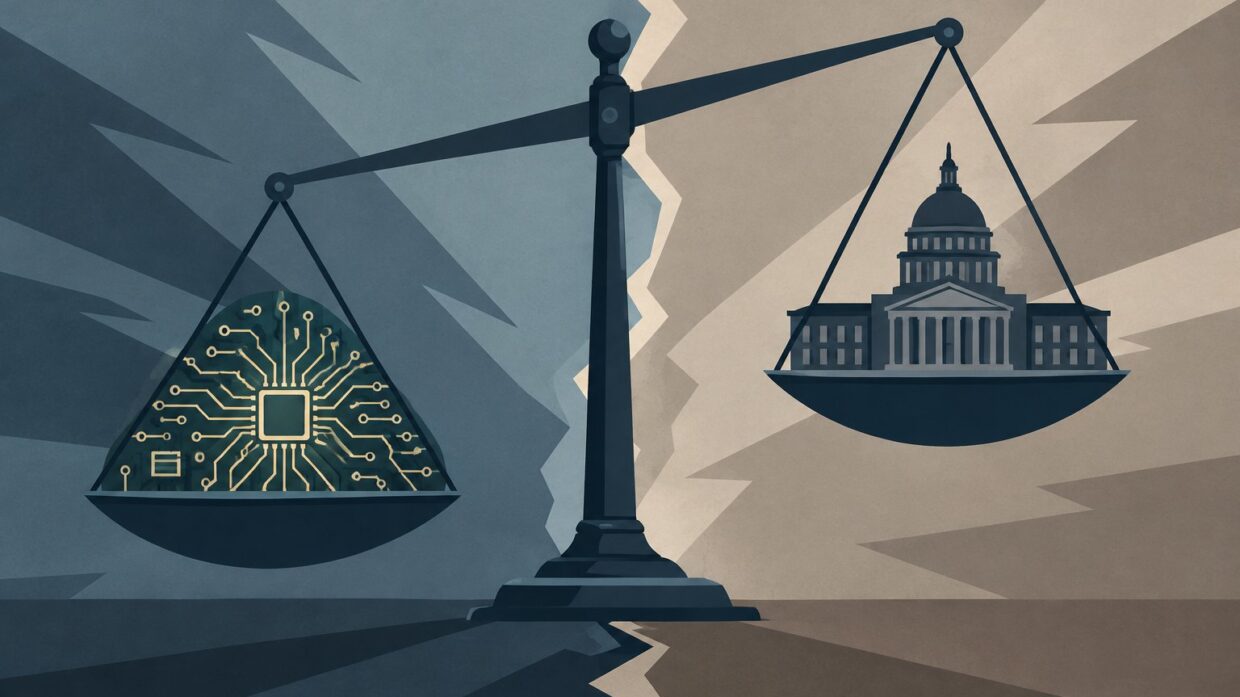
Will Silicon Valley's Oligarchs Finally Stand Up to Trump?
We haven't found a right-leaning take on this story yet.
Breaking stories sometimes publish before every side has covered them. We'd rather show you that than invent a view.
Tech Giants Navigate Competing Pressures on AI Regulation and Trump Relations
Key Takeaways
- Tech companies have already built binding constraints into their AI models through safety training and refusal capabilities that operate independently of any political administration, meaning their regulatory behavior is less flexible than political narratives suggest.
- Market demand varies sharply by region, with Chinese consumers prioritizing advanced technology while U.S. and European buyers focus on price, forcing tech companies to adopt different regulatory postures across jurisdictions that have nothing to do with Trump.
- The actual question driving tech company behavior appears to be what commitments they have already made to regulators, customers, and security agencies rather than whether executives will choose principle or profit in response to Trump's agenda.
The Analysis
The framing of Silicon Valley's relationship to Trump operates across two competing narratives that obscure the material constraints actually reshaping how tech companies operate.
The left frame, represented by Kara Swisher's Atlantic piece, centers on tech executives as agents with clear ideological choice points. The language is moral and historical: Will oligarchs "finally" push back? The framing assumes they have not done so previously because of cowardice or complicity, and the question itself presupposes that opposition is both possible and overdue. What this framing leaves out is the specific regulatory and commercial pressures that actually drive tech company behavior independent of individual executive principle.
The right frame is largely absent from the available sources, which itself is informative. No conservative outlet here is defending tech executives or framing their regulatory concerns as legitimate. This silence suggests either that the right is not actively engaged in this particular debate, or that the sources provided do not capture conservative framing on this topic.
What neither framing fully captures is what the Axios reporting on AI security actually shows: tech companies are already being forced to make binding choices about what their models will and will not do. When security teams find that AI models trained by major companies "refuse to help" investigate hacking threats, that is not a choice being made in the political realm. It reflects decisions baked into model training, alignment procedures, and deployment policies. Those decisions have nothing to do with Trump or campaign contributions. They reflect judgments made by AI safety engineers about what constitutes harmful behavior.
The CNBC reporting on automotive purchasing adds a second layer of constraint: tech companies operate in markets where consumer demand, regional regulation, and competitive pressure shape product development more directly than any political relationship. In China, buyers demand advanced tech. In the U.S. and Europe, price leads. This means a tech company's regulatory posture toward AI is not primarily a function of whether executives like or dislike a particular president. It is shaped by where their customers are, what those customers will pay for, and what liability they face in each jurisdiction.
The actual question the available evidence suggests is whether tech executives face sufficient political or market pressure to publicly align themselves with or against Trump on AI regulation. The left frame assumes they should choose principle. The missing right frame presumably argues they should choose business pragmatism. What the reporting does not establish is whether either choice is actually available given the commercial and technical constraints already in place.
Neither the Swisher framing nor any conservative counterargument on offer addresses the prior question: What commitments have tech executives already made to regulators, customers, or security agencies that would constrain their political behavior regardless of administration? The Axios reporting hints at this when it notes that AI models are being designed with refusal capabilities built in. Those decisions were not made for Trump. They were made because the companies believed they had to build them. That precedent suggests tech company regulatory posture may be less dependent on political relationships than the left frame assumes.
Tech companies are not choosing their AI regulatory positions based on political relationships with Trump or calculations about campaign access. The Axios reporting on AI security reveals that major firms have already embedded refusal capabilities into their models through training decisions made by safety engineers, not executives responding to political pressure. These technical commitments create binding constraints on what their systems will do regardless of which administration controls Washington. Simultaneously, the CNBC analysis shows that product development across automotive and other sectors responds primarily to regional market demand, consumer purchasing power, and competitive pressure rather than executive ideology or political alignment. The actual regulatory posture of Silicon Valley will be determined by the existing technical architecture already deployed, the liability they face in different jurisdictions, and where their customers demand advanced features, not by whether individual executives finally decide to oppose Trump on principle.