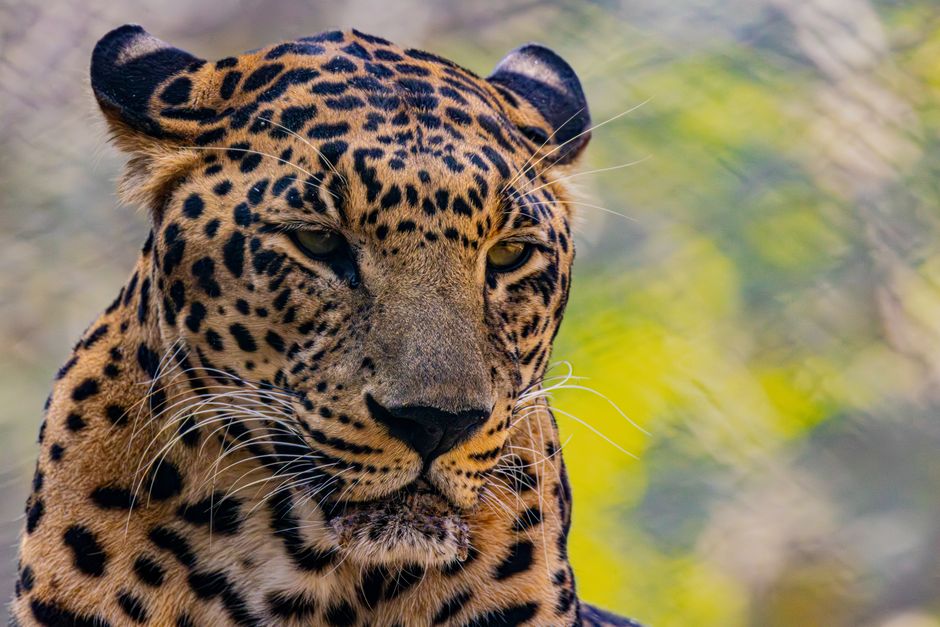
Photo: Regan Dsouza
Biodiversity breakthrough: New cat species discovered in Bolivia's threatened Yungas forest
Scientists Discover New Wild Cat Species for First Time in 100 Years
Scientists identify new wild cat species in Bolivia's cloud forest, first feline discovery in over 100 years
Key Takeaways
- Researchers have not explained whether the tilcayo tiger cat was newly evolved, newly arrived to the region, or simply overlooked by previous scientific surveys, leaving a critical gap in understanding what the discovery actually reveals.
- Neither conservation advocates nor scientific commentators have disclosed basic facts about the species' population size, current habitat protections already in place in Bolivia, or whether the cat faces genuine extinction risk.
- The discovery appears significant primarily because it allows different groups to project their existing priorities onto it rather than because reporting has established what made this cat undetectable to science for over a century.
The Analysis
A new feline species has been formally identified in Bolivia's Yungas cloud forest, the first living cat species recognized in more than a century. Both The Guardian and Breitbart report the same basic fact: researchers have documented a previously unknown wild cat, smaller than a domestic house cat, and designated it as a distinct species. The reporting confirms this occurred in 2026 and marks a significant taxonomic milestone. What separates the coverage is which context each outlet foregrounds and which it leaves unstated.
The Guardian frames this discovery primarily through an environmental lens, emphasizing the Yungas forest as a threatened habitat and treating the cat's identification as evidence of both ecological value and vulnerability. The language choices matter: The Guardian places the forest itself in the opening, describes it as a "cloud forest," and positions the discovery as a moment of "celebration" in a period of "accelerating biodiversity loss." This framing connects a singular scientific event to a larger narrative about climate change and habitat destruction. It works to establish urgency around conservation.
Breitbart presents the discovery as a straightforward scientific achievement. Its framing emphasizes the rarity of the event ("first time in 100 years") and treats the discovery as newsworthy primarily because it is scientifically significant, not because it signals ecological crisis. The outlet does not discuss habitat threats, deforestation, or conservation policy. It names the species (tilcayo tiger cat) and reports the location, then stops. This framing treats the cat as an object of scientific interest rather than as evidence of a broader environmental problem.
What neither outlet adequately addresses is a more fundamental question: why did this species remain unidentified for so long, and what that reveals about the state of biodiversity research in remote tropical regions. The available reporting does not establish whether the cat is newly evolved, newly arrived to the region, or simply overlooked by prior scientific surveys. It does not explain the research methodology that led to its identification or identify the specific research team. The Guardian mentions "systematic biological documentation" but provides no detail about what that documentation entailed. Breitbart offers no methodological information at all.
The omission matters because it leaves readers with two incomplete narratives. The left frame implies the cat's discovery proves we must protect the Yungas immediately. The right frame implies the cat's discovery proves science can still surprise us. Neither addresses what the discovery might reveal about the incompleteness of scientific knowledge itself. Neither discusses whether the tilcayo tiger cat is endangered, how many individuals exist, or what habitat protections, if any, already exist in Bolivia.
The underlying story appears to be this: a species that has existed in a specific region for an unknown length of time was finally documented and named by scientists. That fact alone is significant. What makes it politically useful, however, differs depending on the framing applied to it. Both outlets have selected facts that support their existing narrative about what Bolivia's natural world represents. Neither has directly lied. Both have simply emphasized different truths.
The discovery of the tilcayo tiger cat should trigger urgent reassessment of biodiversity survey protocols across tropical regions, yet both major news accounts avoid this harder question entirely. If a feline species remained undetected in a relatively accessible Bolivian cloud forest for over a century, the implication is stark: current scientific documentation of remote ecosystems is profoundly incomplete. This gap in knowledge directly impacts conservation policy, since protected area designations and species management strategies depend on knowing what actually exists. Bolivia's environmental ministry cannot adequately protect biodiversity it has not catalogued. The real consequence of this discovery is not celebration or alarm but institutional pressure to fund systematic biological surveys in understudied regions before species vanish without ever being formally recognized, making their extinction invisible to science and policy alike.