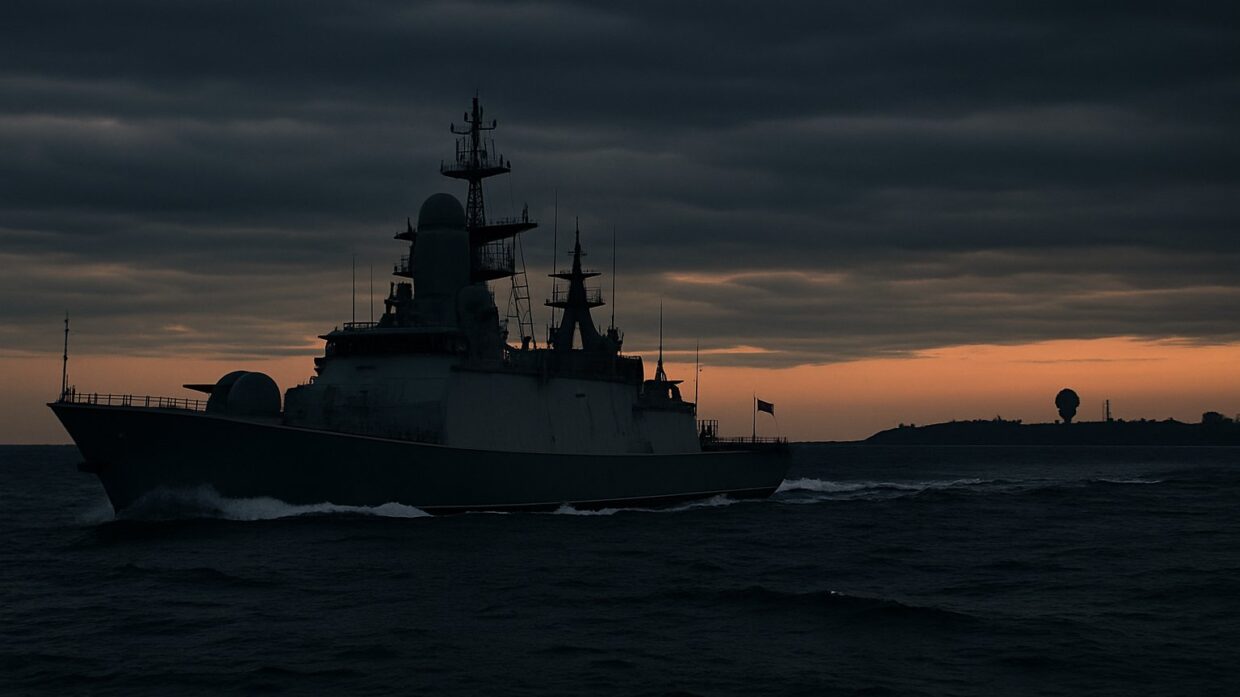
Photo: Well This Is News
Russia Illegally Extends Elections to Seized Ukrainian Regions in New Violation of International Law
Russia Ramps Up Aggression: Parliamentary Vote in Occupied Ukraine Signals Broader European Destabilization Campaign
Russia Holds Parliamentary Elections in Annexed Ukrainian Territories as Europe Warns of Escalating Hybrid Threats
Key Takeaways
- Neither reporting examined actual voter turnout or participation rates in these elections, which would reveal whether Russia controls these territories sufficiently to conduct credible voting or is manufacturing legitimacy for territories it does not fully govern.
- The simultaneous timing of parliamentary elections and Russian military incidents near NATO borders created a correlation that both sides presented as strategic coordination, but no reporting established whether these actions were coordinated by Moscow or separate developments that appeared connected by coincidence.
- Russia's actions could signal either confidence in holding contested territory or anxiety about losing it, but this distinction is invisible without specific data on territorial control metrics and military posture that neither source provided.
The Analysis
Russia has conducted parliamentary elections in four Ukrainian regions it unilaterally annexed in 2022, marking the first time voting has extended to territories the international community does not recognize as part of Russian territory. Simultaneously, European governments have escalated warnings about Russian hybrid threats beyond Ukraine's borders, including a reported incident involving a Russian warship near Denmark. These developments fit a consistent pattern, but each side is emphasizing different elements to support opposing interpretations of what is actually occurring.
What happened in specific terms: Russia's Central Election Commission announced that voting would take place in Donetsk, Luhansk, Zaporizhzhia, and Kherson regions, which Moscow claims to have annexed following 2022 referendums that Ukraine and Western nations declared illegitimate. The elections occurred as European governments documented increased Russian military activities, including Denmark's accusation that a Russian warship fired on a Danish vessel and multiple reports of Russian sabotage operations targeting undersea infrastructure across Northern Europe. The timing and intensity of these incidents are documented, but their causal relationship to the parliamentary elections remains a matter of interpretation.
The left frame, represented by NPR's coverage, emphasizes the illegality and international violation. The phrase "illegally annexed" appears immediately in NPR's opening, establishing a legal claim as the frame. This language is factually accurate by international law standards, where the UN General Assembly has recognized Ukraine's territorial integrity and dismissed Russian annexation claims. However, this framing leads away from a question the reporting does not address: how many residents of these territories actually participated in the voting, and what does turnout tell us about Moscow's actual administrative control? The left's emphasis on the violation's illegality is legally precise but leaves underdeveloped the question of whether this election represents consolidation of control or an attempt to manufacture legitimacy for territories Moscow does not fully govern.
The right frame, represented by the Washington Examiner, positions the election within a broader escalation strategy and emphasizes European vulnerability. The language shifts from the specific election to systemic threat assessment: Russia "ramps up," Europe "prepares for wider war." This framing is consistent with documented incidents, but it organizes them around an inference rather than confirmed intent. The reporting does not establish whether the Russian incidents near NATO borders and the parliamentary elections are coordinated escalation or separate developments that appear connected because they occurred simultaneously. The right's framing treats correlation as evidence of strategy without the specific source material that would establish Moscow's decision-making.
What neither side fully addresses is the precedent these elections create for international law around contested territory. Russia is not the first power to hold elections in occupied regions, but the explicit timing alongside European military incidents suggests Moscow may be calculating that Western divided attention or resources stretched across multiple theaters reduces the cost of this particular assertion of control. The public record does not establish whether Russia views these elections as a prelude to deeper integration of these territories or as a defensive consolidation in the face of Ukrainian military pressure. Ukraine's own military posture in these regions, which would bear directly on why Russia might feel compelled to formalize control, is largely absent from both framings.
The underlying structural question is whether Russia's actions represent confidence in its territorial position or anxiety about holding it. Elections in uncontested annexed territory typically serve symbolic purposes. Elections in disputed, actively contested territory serve political purposes but expose administrative vulnerability. Neither framing directly engages this distinction, which would require specific reporting on turnout, voting security, and actual territorial control metrics that neither source provides.
Russia's parliamentary elections in territories it does not legitimately control establish a dangerous precedent for how occupying powers can manufacture political legitimacy in contested zones while the international community remains fragmented in response. By holding simultaneous hybrid warfare operations near NATO borders, Moscow signals it can pursue multiple forms of coercion without unified Western consequence, effectively testing whether divided attention allows territorial consolidation to proceed unchallenged. Ukraine's ability to contest these regions militarily will determine whether Russia's election gambit represents actual administrative integration or premature political theater masking fragile control, but the absence of coordinated international countermeasures suggests Moscow has calculated the cost of assertion is lower than the benefit of formalized claim to territories it may not fully govern.