Photo: Well This Is News
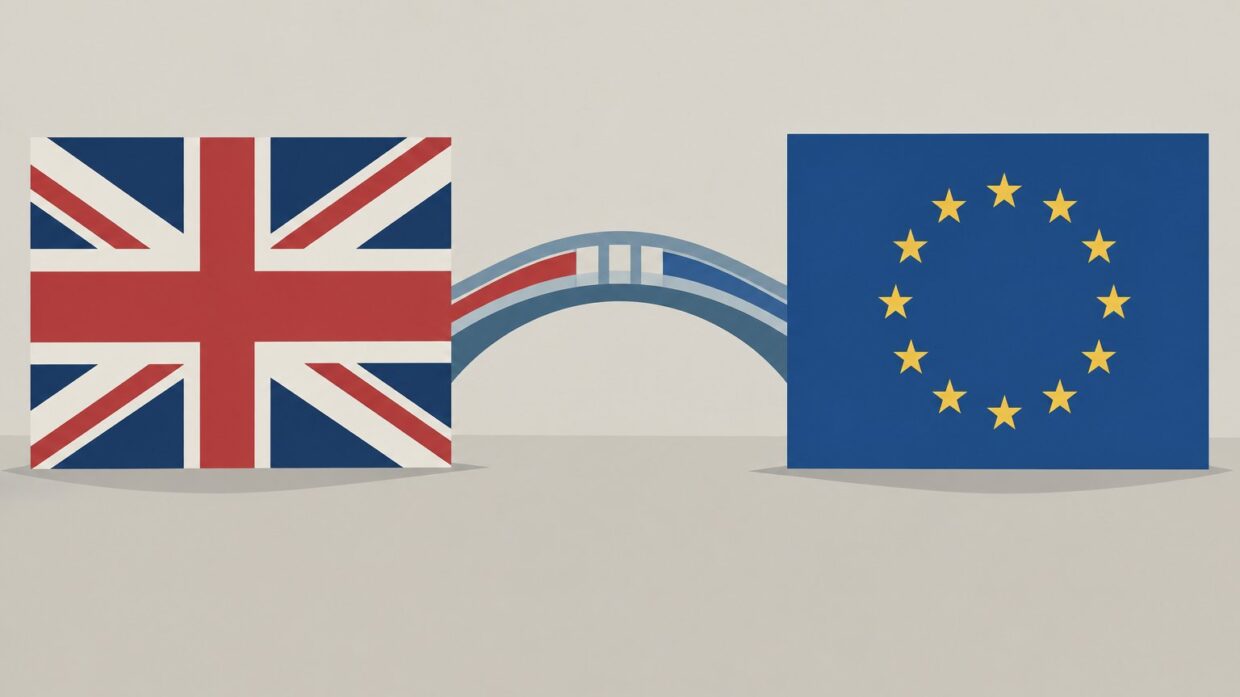
Former chancellor: Brexit has weakened Britain; UK future lies in Europe
We haven't found a right-leaning take on this story yet.
Breaking stories sometimes publish before every side has covered them. We'd rather show you that than invent a view.
Reeves calls for UK EU realignment, citing Brexit economic impact
Key Takeaways
- Reeves made her statement after leaving the Treasury, meaning it reflects her personal judgment rather than official government policy, yet reporting does not clarify whether her views align with current Labour government strategy on EU relations.
- The specific policy outcomes Reeves is actually advocating for remain unstated, leaving readers uncertain whether she means gradual regulatory alignment, rejoining EU institutions, or some other form of closer ties.
- No source established how Reeves' intervention relates to ongoing UK-EU trade negotiations or whether the timing reflects internal government positioning or independent post-office commentary.
The Analysis
Rachel Reeves has stated that Britain's future should involve alignment with the European Union, arguing that Brexit has left the UK economically and strategically diminished. This intervention marks a deliberate shift in how Labour's former chief of treasury is framing the post-Brexit settlement, and it comes at a moment when UK-EU relations are being actively negotiated and reshaped.
The facts are these: Reeves used the specific phrase that Brexit has made Britain poorer, weaker, and less secure. She made this argument in her first major public statement since stepping down as chancellor. The intervention explicitly backed Andy Burnham, Manchester's mayor, who has advocated for closer EU ties. The timing is significant, occurring when the government is managing ongoing trade dynamics and regulatory alignment questions with Brussels.
The left framing emphasizes that this represents courage and clear-eyed assessment. The Guardian's language, quoting Reeves calling Brexit a failure that has weakened national security alongside economic measures, positions her statement as a necessary correction to what this perspective views as a mistake that continues to harm British interests. The frame treats her intervention as a leadership signal that Labour will not pretend the referendum outcome did not have costs. What this framing does not foreground is whether closer EU alignment would require electoral permission, what specific policy positions she is advocating for, or how public opinion on this question has actually shifted since the 2016 vote.
A center perspective, as reflected in the BBC reporting, presents her statement factually without layering editorializing language onto it. The BBC notes what she said and when she said it, establishing her authority as a recent chancellor, and leaves the reader to interpret the implications without steering them toward acceptance or rejection of her assessment.
What neither framing addresses adequately is the political context that constrains Reeves' actual leverage. A former chancellor making an argument about long-term policy direction is not the same as current government policy. The reporting does not establish whether the current Labour government has moved toward her position or whether this represents her personal advocacy outside of formal decision-making structures. The public record does not clarify whether this statement reflects internal government discussion or represents her independent judgment after leaving office. Additionally, neither source foregrounds what specific policy outcomes she is advocating for, the relationship between her statement and ongoing UK-EU trade negotiations, or how this positioning affects domestic political calculations around economic performance.
The underlying question this raises is whether Reeves' statement signals a shift in how Labour will approach EU relations in the medium term, or whether it represents the kind of post-hoc criticism that former officials routinely offer without direct influence on current policy. The gap between diagnosis and remedy remains unstated. A reader knowing only these headlines would understand that a senior Labour figure believes Brexit caused economic harm, but would not know what policy response, if any, flows from that analysis or whether the current government has adopted her view.
Reeves' intervention matters because it tests whether Labour will translate post-Brexit regret into concrete policy realignment or leave it as rhetorical positioning. If the government adopts her framework, it signals willingness to negotiate closer regulatory and trade integration with the EU, requiring renegotiation of the Windsor Framework and potentially new parliamentary votes on sovereignty questions. If her statement remains isolated commentary, it reveals the political constraints that keep even senior figures from openly challenging the referendum settlement. Either outcome reshapes how Labour manages its 2024 mandate: as permission to reverse course or as instruction to manage existing arrangements. Her authority as former chancellor gives this more weight than backbench commentary, but the absence of government endorsement leaves open whether this represents internal consensus or individual dissent. The next eighteen months will show whether "alignment" becomes operational policy or stays confined to speeches by former ministers.