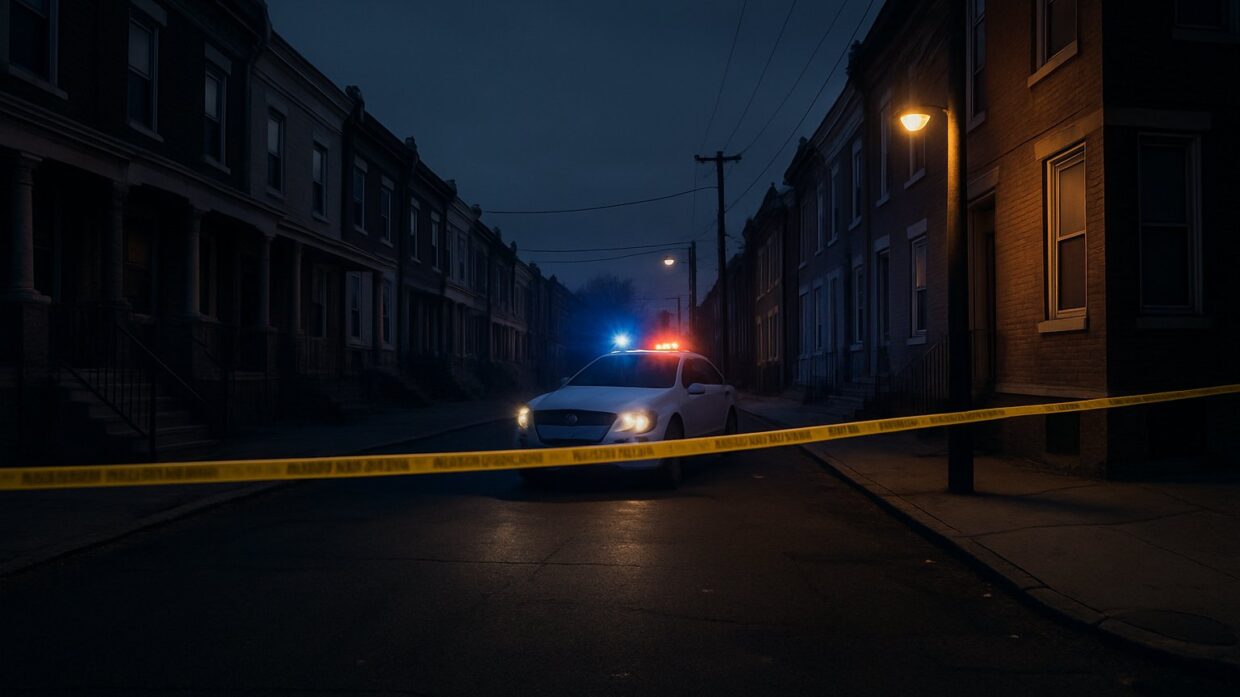
Photo: Well This Is News
Philadelphia Police Officer Killed in Early-Morning Shooting; Partner Wounded
Read More... from Philadelphia Police Officer Killed in Early-Morning Shooting; Partner Wounded
Gunman Kills Philadelphia Police Officer, Shoots Another 12 Times
Philadelphia Police Officer Killed in Early-Morning Shooting; Partner Wounded
Key Takeaways
- No available reporting establishes whether the suspect was apprehended, remains at large, or was killed in the encounter, leaving the most basic question of the incident unresolved.
- The term 'ambush' used consistently in right-leaning coverage describes the outcome but not the evidence supporting premeditation, since no source reports the suspect's identity, stated motive, or prior planning.
- The initial armed person dispatch call that prompted the police response is mentioned in every account but never detailed, leaving unexplained whether the suspect was the reported threat or a separate actor.
The Analysis
A Philadelphia police officer died Saturday after responding to an armed person report, but the available sources establish only the immediate facts of the incident,not what led to the shooting, who the suspect is, or what circumstances preceded the officers' arrival.
Officer Shane Seiber, 40, was killed and a second officer shot multiple times early Saturday morning in West Philadelphia, according to Police Commissioner Kevin Bethel. The officers responded to reports of an armed individual. Seiber was a 10-year veteran with two children. The second officer survived his injuries. The shooting occurred just after midnight. No sources provide details about the suspect's identity, motive, criminal history, or whether he survived the encounter.
Right-leaning outlets emphasize the premeditated nature of the attack by using the term "ambush" consistently. The Daily Wire's headline leads with "Gunman Kills" and specifies that the second officer was shot "12 times," a detail that amplifies the lethality and deliberateness of the assault. Breitbart's framing,"Officer Killed, Second Officer Wounded in Saturday Morning Ambush",positions the attack as a coordinated assault rather than a chaotic exchange. This language choice serves a narrative function: ambush implies the officers were targeted with prior intent. The Washington Examiner uses "ambushed" and notes "15 times" total, emphasizing the volume of fire. These framings leave out any contextual information about what the initial armed person call involved, whether there was an exchange of fire, whether the suspect was armed as reported, or what the second officer's medical condition actually is beyond "stable."
Left-leaning sources are not represented in the provided articles. The absence of a distinct left-oriented framing in the available reporting means no parallel narrative emphasis is available for comparison.
What neither the right-leaning coverage nor any other available source addresses is crucial context. The public record does not establish whether the suspect remains at large or was apprehended. No source discloses the suspect's identity, stated motive, or criminal background. The reporting does not confirm whether the officers fired back or whether this was a one-sided assault. The initial call,reports of an armed person,raises unaddressed questions: was the suspect the initial caller or a separate threat? Did the responding officers encounter armed resistance at the location as expected, or was the gunfire unexpected? The second officer's specific injuries and prognosis are not reported beyond "stable condition." The phrase "responded to reports" appears in every account but no source details what that call actually involved or who made it.
The language choice of "ambush" carries analytical weight worth examining. If officers responded to a dispatched call and were fired upon immediately upon arrival, that is consistent with an ambush. But the available reporting does not establish the timeline between arrival and the first shot, whether the suspect was where dispatch indicated, or whether the officers were able to assess the threat before being fired upon. The emphasis on the number of shots,12, 15, repeated across sources,may reflect the severity of the attack or may be calibrated to convey intent to kill, but the reporting does not establish which.
The most complete version of this headline requires information the sources do not yet provide: whether this was a targeted attack on police or a chaotic shooting involving armed individuals; whether the suspect has been identified and arrested; what the initial dispatch call actually reported; and whether either officer discharged a weapon. Until those details are documented, the public record captures a tragedy but not a full accounting.
Every police shooting demands scrutiny of dispatcher protocols and threat assessment procedures, yet this case reveals a gap in accountability that will compound if left unexamined. The absence of public information about what the initial 911 call reported, whether officers encountered the armed person as dispatched, and whether the suspect remains at large creates a vacuum that invites speculation rather than accountability. Philadelphia Police Department's obligation to release dispatch recordings, suspect identification, and ballistic evidence within 72 hours is not merely procedural; it determines whether commanders can assess whether response protocols failed, whether dispatchers sent officers into ambush conditions blindly, or whether this incident exposes systematic gaps in how the department handles armed person calls. Without that transparency, the department forfeits the opportunity to prevent similar tragedies through institutional reform.