Photo: Well This Is News
Hunger strike organizer freed after eight months in solitary confinement
Domestic assault suspect released despite leading ICE detention center strike
Peruvian immigrant released from ICE custody after leading detention center strike
Key Takeaways
- ICE disclosed no public explanation for why Soto was released after eight months in custody, making it impossible to determine whether the decision reflected case dismissal, judicial order, prosecutorial discretion, or settlement.
- Soto's placement in solitary confinement followed a memorial day weekend strike, but the reporting does not establish whether ICE documented security or operational reasons for that punishment beyond the protest itself.
- Both the domestic assault allegation and the solitary confinement placement appear in the case record, but neither source clarifies what status each holds in his actual legal proceedings or which authority approved his release.
The Analysis
Martin Soto's release from ICE custody Tuesday night occurred without public disclosure of the terms or reasoning behind his discharge, leaving both advocates and critics working from incomplete information about a detention case that lasted eight months and involved solitary confinement following organized protest.
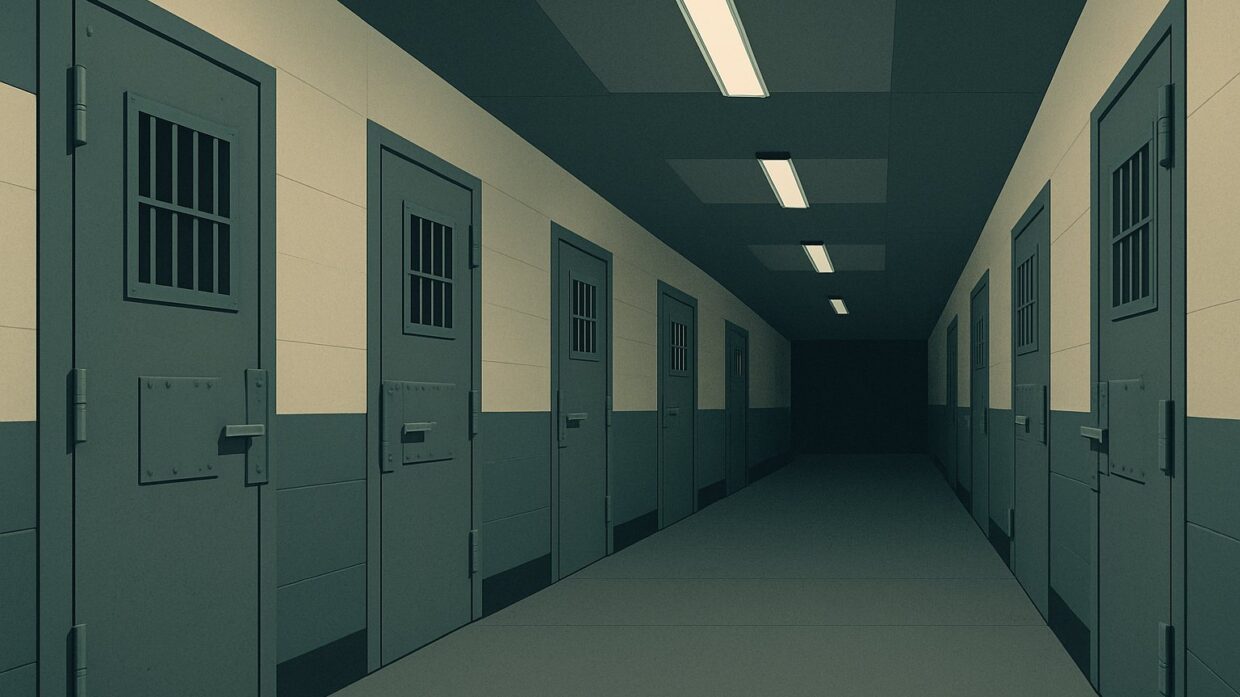
The verified facts are narrow. Soto, a Peruvian national, was detained at Elizabeth Detention Center (also known as Delaney Hall), a for-profit facility operated under contract with ICE. During Memorial Day weekend, he participated in or organized a hunger and labor strike by detainees. Following that action, he was placed in solitary confinement. On Tuesday night, he was released from federal custody with an ankle monitor. His immigration case status remains undisclosed in the available reporting.
Mother Jones frames this as a narrative of retaliation and systemic abuse. The headline emphasizes the eight-month detention duration and solitary confinement placement. The reporting describes Soto as having "organized" the strike and connects his punishment directly to that organizing. This framing leaves unaddressed whether ICE documented security or operational reasons for the solitary placement, what specific charges or violations preceded his detention, or whether the strike itself violated facility rules that would justify administrative segregation under standard detention protocols.
The Daily Wire and Washington Examiner lead with different information: a domestic assault arrest. The Daily Wire headline names Soto as "accused woman-beating" and emphasizes that he was "released from federal custody Tuesday night, despite his previous arrest for domestic assault." This framing suggests release was inappropriate precisely because of that arrest record. The Washington Examiner's version is more restrained, noting the arrest but not emphasizing it as the lead frame. Both right-leaning sources leave unexplained what domestic assault charges mean in his specific case, whether those charges are pending, resolved, or part of his immigration docket.
What neither side foregrounds is the operative legal question: why was Soto released at all? ICE does not typically release detainees without either deportation, a court order, or resolution of charges. The reporting does not establish whether his release represents a case dismissal, a settlement agreement, a judicial order, or a prosecutorial discretion decision. The ankle monitor suggests ongoing monitoring, but for which case and under whose authority remains unstated.
The left frame treats solitary confinement as punishment for political organizing. The right frame treats release as excessive leniency toward someone with alleged domestic violence history. Neither addresses the specific institutional question: what authority ordered his release, on what legal grounds, and what does his case actually resolve? The public record does not appear to establish these details.
The underlying story may be about ICE detention practices, about domestic violence in immigrant communities, about labor organizing in carceral settings, or about prosecutorial discretion in complex immigration cases. The available reporting does not provide enough documented information to determine which. What is clear is that Soto spent eight months in federal custody following a strike, was segregated in solitary, and is now monitored but free. Everything beyond those facts depends on information the sources do not disclose.
Martin Soto's release from ICE custody without public disclosure of the legal basis or reasoning creates institutional ambiguity that will shape how immigration detention is scrutinized going forward. If ICE can release a detainee after eight months and solitary confinement without explaining the grounds, it establishes that the agency operates under opacity sufficient to prevent meaningful accountability for either abuse or leniency. This matters concretely because it determines whether future detainees, advocates, or courts can establish patterns of retaliation for organizing or patterns of inappropriate release decisions. The missing information about whether Soto was discharged, deported in absentia, had charges dismissed, or remains under immigration proceedings will either validate concerns about punishment for strike participation or undermine them entirely. Without that disclosure, Soto's case becomes useless as precedent and the detention facility's practices remain insulated from the specific scrutiny that documented cases enable.