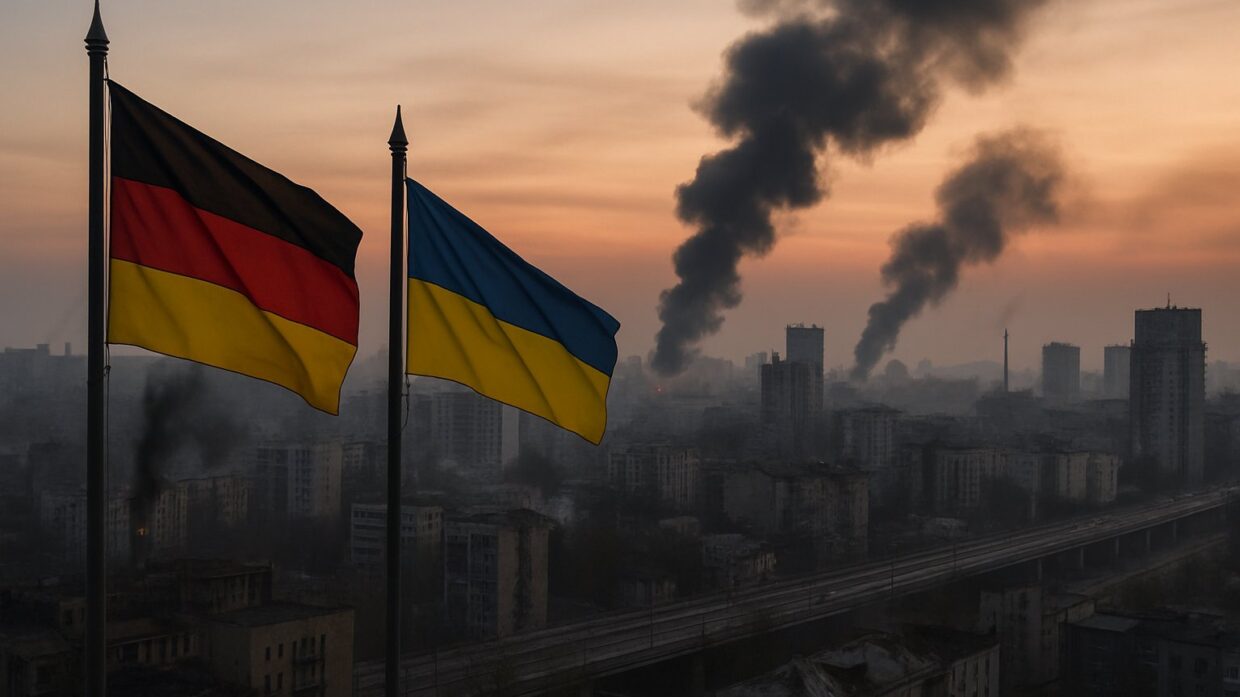
Photo: Well This Is News
Merz shows solidarity with Ukraine as Russia escalates attacks on capital
Germany's Merz pledges support but questions linger over sustainability of aid
German Chancellor Merz visits Kyiv with €1.35bn aid package amid Russian strikes
Key Takeaways
- Merz's unannounced visit itself was the strategic message, suggesting Germany believed the physical risk of traveling through an active war zone was necessary to signal something beyond the material aid figures alone.
- The CDU party that Merz now leads previously governed during German energy integration with Russia and the Nord Stream 2 pipeline era, making this visit a political reversal by the party responsible for the very dependence structure it now opposes.
- The record does not establish whether the €1.35 billion is a one-time commitment or the first installment of a structural shift in German defense spending, leaving the durability of Germany's new positioning unresolved.
The Analysis
Friedrich Merz's unannounced visit to Kyiv delivers €1.35 billion in German aid during active Russian strikes, but the framing of this moment reveals starkly different readings of what Germany's commitment actually represents.
The documented facts: Merz arrived Sunday in Ukraine's capital while Russia struck the North Bridge, roughly 20 minutes from the station where he arrived. Germany is providing €1.35 billion in military and humanitarian assistance alongside a drone cooperation agreement. Merz stated explicitly that Russia must be stopped to prevent attacks on the Western alliance. The visit was unannounced, a security measure that underscores the operational risk of the trip itself.
The left frame, represented most fully in The Guardian's coverage, emphasizes the visceral courage of Merz's decision to travel to an active war zone and reads the visit as a decisive break from Germany's historical reluctance on Ukraine. This framing highlights timing, proximity to strikes, and the contrast with Germany's pre-2022 dependence on Russian energy. The implicit narrative is that Germany has fundamentally reoriented its strategic interests. What this frame leaves out is Germany's economic capacity constraints and the domestic political pressure within the CDU itself over the sustainability of this commitment. The Guardian's live blog format also privileges immediate dramatic detail over longer-term questions about whether €1.35 billion represents a temporary surge or a structural shift in German defense spending.
The right frame, as reflected in Investing.com's reporting, acknowledges the aid package and drone deal but foregrounds the word "focus" in its headline, suggesting these are items under negotiation rather than settled commitments. This framing implicitly raises questions about durability: will Germany maintain this level of support, or is this a peak moment of political will that may not sustain? The right-leaning perspective does not dispute the aid or the visit, but it treats them as provisional. What this frame underplays is the explicit nature of Merz's warning about Russian threats to NATO. By centering the economic aid figures and transaction language, it subtly repositions Germany's motivation away from ideological solidarity and toward transactional calculation.
Bloomberg's more neutral rendering simply states the visit occurred, the aid was announced, and the warning was issued. It avoids the heroism narrative and avoids the skeptical undertone. But even Bloomberg's restraint obscures something important: the record does not establish whether this €1.35 billion represents a one-time commitment or the first tranche of a larger strategic reallocation.
What neither side fully captures is the institutional weight of this moment in German politics. Merz represents the CDU, which governed Germany during the Nord Stream 2 controversy and the period of deepest Russian economic integration. This visit is not just a policy statement; it is a political reversal by the party that enabled the very dependence structure the left now frames as having been broken. The unannounced nature of the visit also suggests operational awareness that the visit itself is the message. If Merz believed the €1.35 billion or the drone deal alone would carry sufficient weight, the physical risk of the journey would be unnecessary. The fact that he took it suggests Germany is attempting to signal something beyond the material aid: a change in the country's fundamental positioning toward the NATO alliance and Russian threat perception.
The real headline is not whether Germany is supporting Ukraine or how much, but whether Merz's visit signals a durable institutional commitment or a temporary peak of political will that may recede once domestic economic pressures or political cycles shift.
Germany's CDU, the party that built the Nord Stream 2 pipeline and integrated the country into Russian energy dependence, has now positioned itself as the force executing a strategic reversal that may lock in a structural commitment to NATO rearmament and Ukraine support for a generation. Merz's unannounced visit during active strikes was not primarily about the €1.35 billion itself, which represents less than 2 percent of Germany's annual defense budget, but about signaling to both NATO allies and German voters that this reorientation is irreversible and worth personal risk. If this commitment survives the next electoral cycle and sustained fiscal pressure, it reshapes European security architecture independent of U.S. policy shifts. If it recedes when political attention moves elsewhere, Germany will have signaled weakness precisely when NATO needs consolidated deterrence against Russian aggression.