Photo: Well This Is News
Far-right Le Pen cleared to run despite conviction for misusing EU funds
Ban on Le Pen lifted by court, but conviction and restrictions remain
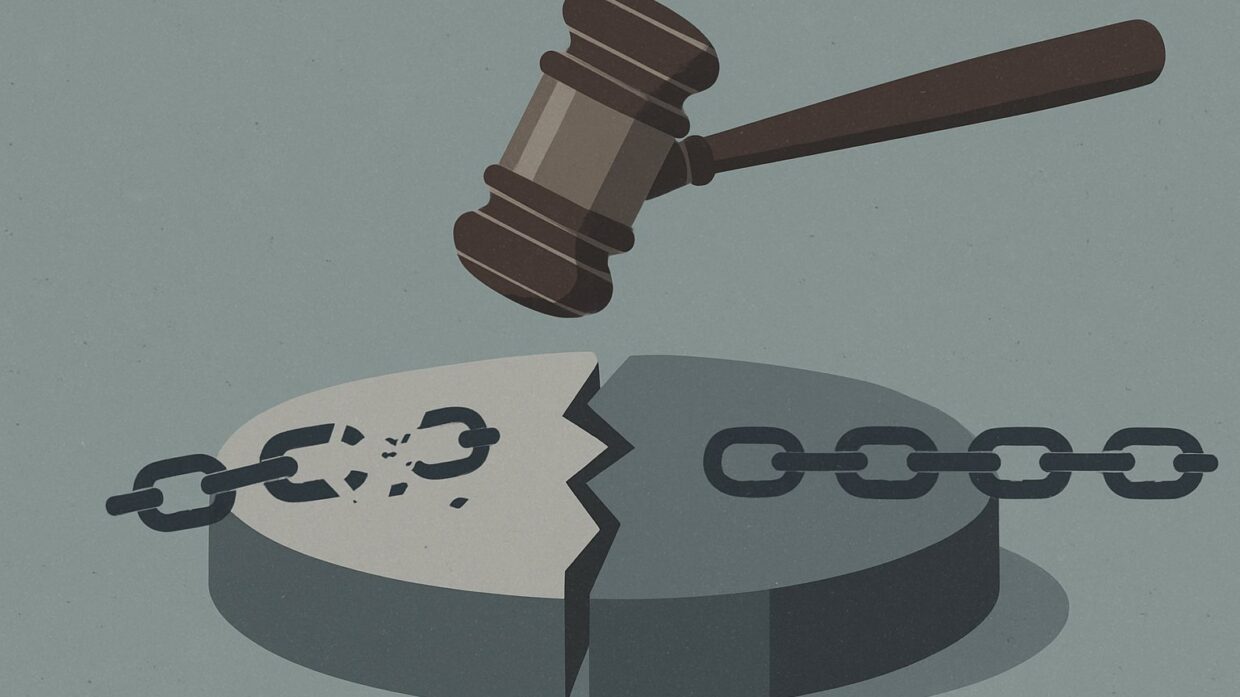
French court overturns Le Pen's election ban while upholding embezzlement conviction
Key Takeaways
- The appeals court upheld Le Pen's guilt while reducing only the specific penalty of the election ban, a distinction between conviction and eligibility that neither side's coverage clearly explained to readers.
- The court never released its reasoning for why the original five-year ban was disproportionate, leaving the public unable to understand whether the judges viewed the underlying offense as minor or simply the sentence as excessive.
- Le Pen remains a convicted embezzler permitted to run for president, a legally coherent outcome that reflects French law's separation between criminal guilt and electoral eligibility, but one that creates genuine tension neither framing adequately resolved.
The Analysis
A Paris appeals court upheld Marine Le Pen's conviction for misusing European Union funds while simultaneously overturning the election ban that would have prevented her from running in 2027, creating a legal situation that neither full coverage adequately explains: a candidate simultaneously convicted and cleared to compete.
The specific sequence matters. On Tuesday, the Paris Court of Appeal upheld Le Pen's conviction for misappropriating EU funds allocated to the National Rally party. That conviction itself was not reversed. What the court changed was the timeline of the ineligibility period. The original lower court ruling had banned her from running for office for five years. The appeals court reduced that prohibition, allowing her to enter the 2027 race. The conviction remains. The money misuse charge stands. Only the procedural bar to candidacy was lowered.
The left-leaning coverage frames this as a contradiction: Le Pen is described as a convicted embezzler who somehow got cleared to run. NBC News emphasizes "her conviction for misusing European Union funds" in the same sentence as her clearance to compete, using the word "though" to signal the incongruity readers should feel. The framing suggests accountability failed, that a court simultaneously punished and rewarded her. This narrative omits what the court actually ruled: that the original five-year ban was disproportionate to the offense, even while the offense itself remained established. The left does not fully explain why a court might uphold a conviction while shortening an eligibility ban. That omission serves a purpose. It allows viewers to conclude the system is broken rather than complex.
Right-leaning coverage at Breitbart emphasizes that the ban was "lifted" while adding the qualifier "with a catch." This framing suggests regulatory entanglement rather than systemic failure. Breitbart notes that "other aspects of the ruling may still derail her campaign," shifting focus from the conviction itself to the procedural complications that might still prevent her running. The right's framing omits the embezzlement charge almost entirely, treating the story as one of legal barriers being removed rather than criminal conduct being confirmed. This allows readers to see Le Pen as a political figure facing institutional obstruction rather than a convicted embezzler whose punishment was adjusted.
What neither framing addresses directly: French law distinguishes between conviction and eligibility. A court can affirm guilt while finding that a particular penalty (the election ban) exceeds proportional response. The appeals court appears to have accepted the underlying facts of the case while disagreeing with the sentence length. This is routine in law. But it requires explaining the difference between "convicted" and "barred from running," and neither side's framing makes that distinction clear.
The substantive question the coverage does not fully surface: what offenses warrant how long a ban from office? The original court said five years for this misuse of funds. The appeals court said less than five years. The public record does not establish the appeals court's specific reasoning for the reduction, only that it was made. That gap matters because it would explain whether the court saw the offense as minor or simply the penalty as excessive.
What neither side emphasizes is that Le Pen remains convicted. She can run, but she was found guilty of misusing EU funds allocated to her party. The framing question is whether that conviction or her clearance to compete dominates the story. The left chooses contradiction and concern. The right chooses obstruction and relief. The record supports both, but neither is the complete story.
Le Pen's conviction stands permanently, establishing in French law that the National Rally systematically misappropriated EU funds. The appeals court's decision to shorten her ineligibility period does not erase that finding, meaning any future Le Pen administration would govern under the legal precedent that its leadership committed documented embezzlement of public money. This conviction becomes part of institutional memory of the party itself, constraining future fundraising scrutiny, EU parliamentary relations, and domestic credibility challenges that will resurface whenever the National Rally seeks coalition partners or EU cooperation. The ruling creates a precedent where serious financial crimes against European institutions receive shortened political consequences, potentially lowering the threshold for what disqualifies candidates in future French elections.