Photo: Well This Is News
Democratic socialist Angie Nixon's grassroots surge topples establishment favorite in Florida Senate primary
Socialist activist Angie Nixon upsets well-funded Vindman in Florida Democratic primary on radical platform
Florida Democrat Angie Nixon defeats ex-Pentagon official Vindman in Senate primary despite 16-to-1 fundraising gap
Key Takeaways
- No reporting has established whether Nixon won because primary voters prefer socialism or because they rejected Vindman as an establishment pick, leaving the actual driver of the outcome unexplained.
- Vindman's failure to connect with voters despite foreign policy credentials and massive fundraising raises a question neither side addressed: why was an establishment candidate with his background unable to win a Democratic primary.
- The November general election will reveal whether Nixon's primary coalition and positions can actually win statewide, or whether her victory reflects only the composition and priorities of Democratic primary voters rather than general election viability.
The Analysis
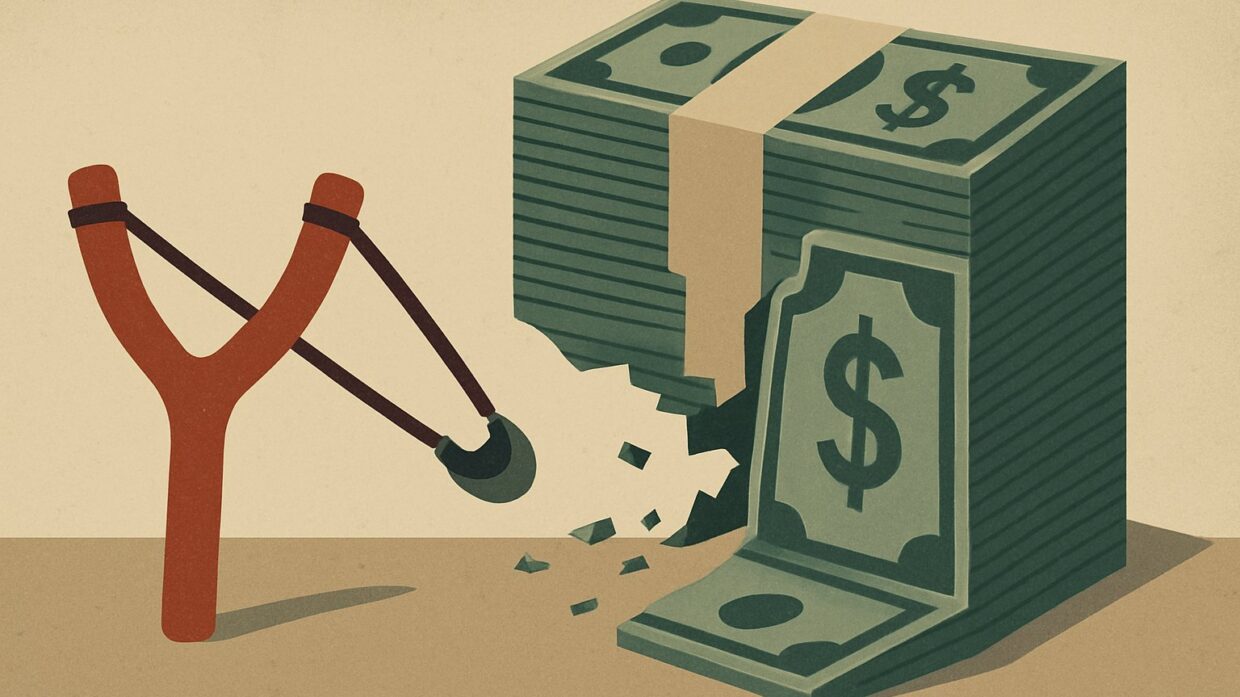
Angie Nixon won Florida's Democratic Senate primary on Tuesday by defeating Alexander Vindman, a former National Security Council official who raised $16.3 million to Nixon's approximately $1 million. The race reveals a documented split within the Democratic Party between establishment-backed candidates and grassroots organizers, but both sides are omitting crucial context about what this primary actually measures.
The verified facts are these: Nixon, a state representative since 2020, is a member of the Democratic Socialists of America. Vindman, who worked in the Trump and Biden administrations as director of European affairs, entered the race as the presumed frontrunner. Nixon's stated positions include abolishing ICE, supporting what she has called a "swift" pathway to citizenship for undocumented immigrants, implementing universal healthcare, and, according to reporting from Breitbart citing her on MSNBC's Morning Joe, describing Israeli Prime Minister Benjamin Netanyahu as "a war criminal." The primary outcome means Nixon will face incumbent Republican Senator Ashley Moody in the general election in a state Trump carried in 2024.
The left-leaning framing, visible in Mother Jones and HuffPost, emphasizes grassroots energy defeating money, with Nixon's focus on redistricting and economic justice presented as evidence that voters reward authentic organizing over establishment cash. The language used is "upset," "stunning," and "presumed frontrunner," framing Vindman as an outsider parachuted into a race he was expected to win. What this framing leaves out is Vindman's actual profile: a decorated military officer whose primary appeal was precisely his establishment credentials and foreign policy experience. The left frame's silence on why Vindman was the "frontrunner" initially, and what shifted, obscures the internal Democratic calculation that he would have been stronger against Moody.
The right-leaning framing, dominant in Fox News and Breitbart, emphasizes Nixon's DSA membership and her most contentious policy positions on Israel, immigration enforcement, and healthcare. The language moves quickly to "socialist," "radical," and frames the result as evidence of Democratic dysfunction and a "fundraising crisis." Breitbart includes Trump's statement calling the Vindman loss "the most gratifying" election loss of the night, a detail that reveals the right's actual investment in this framing: the primary becomes evidence that Democrats are imploding and choosing unelectable candidates. What the right frame does not foreground is that Nixon still needs to win a general election in a Republican-leaning state, or that primary victories do not determine electability.
What neither frame addresses is the obvious question the primary outcome raises: did Nixon win because primary voters prefer her positions, or because they rejected Vindman specifically? The reporting does not establish whether this was a vote for socialism or a vote against a perceived establishment pick. The record also does not establish why a candidate with Vindman's background, who should have been formidable in a Democratic primary on foreign policy credentials alone, failed to connect with voters. That absence of analysis from both sides suggests the story each side wants to tell is more important than understanding what actually happened.
The underlying question the primary raises is whether Florida Democrats believe their path to winning a statewide race runs through positions most polls show are unpopular in the state overall, or whether Nixon's primary victory is specific to primary electorate composition. The general election in November will test that directly.
Nixon's primary victory establishes that Florida Democrats prioritize ideological alignment with DSA positions over establishment-vetted candidates with national security credentials, even when those candidates vastly outspend opposition. This choice directly weakens Democratic chances in a general election against Republican Ashley Moody in a state Trump won in 2024. Nixon's positions on abolishing ICE, declaring Netanyahu a war criminal, and universal healthcare polling poorly with swing voters and independent Floridians who decide statewide races. The primary result signals the state party has shifted its candidate selection away from electability calculus, meaning Democrats will contest the Senate race on terrain where Nixon's coalition enthusiasm matters less than her unfavorable cross-demographic profile. November will measure whether primary grassroots energy translates to general election performance in a Republican-leaning state.