Photo: Guohua Song
Ex-Pentagon aide signals Hegseth's impeachment clock is ticking as Dems mobilize
Dem rep's traffic excuse costs Hegseth one fewer impeachment vote
Democrat misses Hegseth impeachment vote; ex-Pentagon official warns of escalating pressure
Key Takeaways
- The vote margin is apparently so tight that one absence became a news story, suggesting Democrats may lack the secure majority they need for impeachment.
- John Ullyot, a former Trump administration spokesperson now criticizing Hegseth, is being cited as evidence of momentum, but his statement reflects selective dissent rather than proof that impeachment votes are locked in.
- No outlet reported the actual vote tally or whether Stansbury's absence changed the outcome, leaving the real status of Hegseth's impeachment prospects completely unclear.
The Analysis
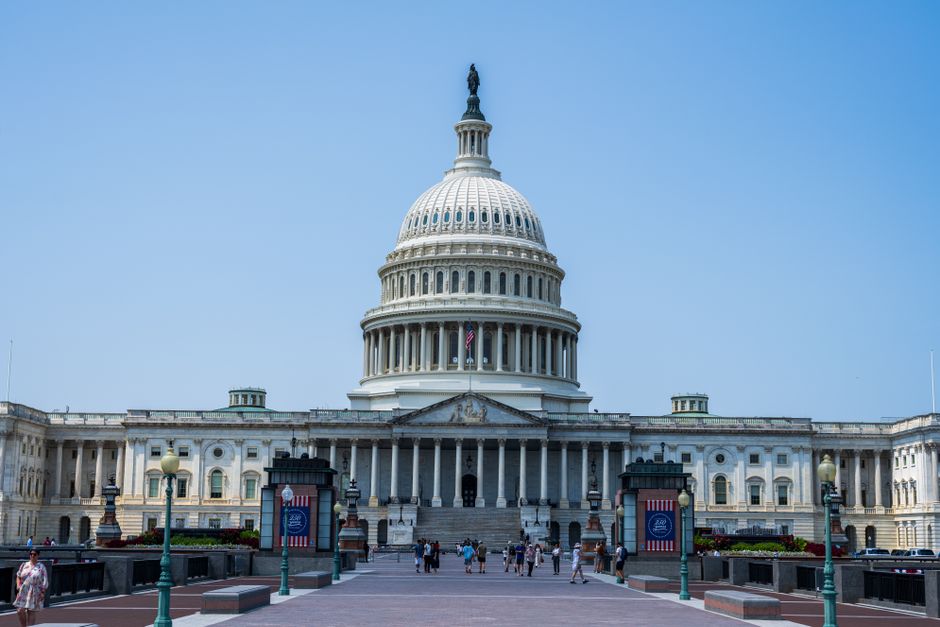
A Defense Secretary's impeachment vote failed to materialize the way Democrats intended, but the framing of why matters far more than the outcome itself. Rep. Melanie Stansbury missed a critical House vote on Pete Hegseth's removal, citing rush-hour traffic and a Capitol police motorcade as the reason. That single absence may have narrowed an already contested margin, raising a straightforward question: what does it reveal about where this impeachment effort actually stands?
The documented facts are spare. Stansbury was stuck in traffic on Wednesday, did not make the vote, and posted a video apology saying, "There is no one who is more disappointed in myself than me." She did not dispute missing the vote or attempt to recast what happened. The Hill reported the apology directly. Fox News emphasized the traffic excuse as remarkable, framing it as an accountability failure. HuffPost quoted John Ullyot, a former Pentagon spokesperson under Trump, stating that Hegseth's removal appears imminent. No outlet reported the actual vote tally or what margin it would have changed.
The left's framing, represented in the HuffPost and Wired reporting, emphasizes momentum. Ullyot's observation that impeachment is "near" serves as proof that internal Trump-world skepticism of Hegseth is deepening, the logic goes. Wired's headline, "Pete Hegseth Is About to Get His Ass Kicked," frames the impeachment as inevitable and positions Democrats as methodical in building their case. What this framing leaves out is Ullyot's exact political position: he was a spokesperson under the Trump administration he is now criticizing. His statement that Hegseth faces pressure is selective reporting of dissent, not evidence that impeachment votes are secure. The left does not address whether Stansbury's absence reflects a broader problem with Democratic discipline or vote management.
The right's framing, via Fox News, inverts the narrative entirely. The traffic excuse becomes the story because it underscores Democratic dysfunction. Stansbury apologized, which Fox News treats as an admission that the failure was avoidable and therefore inexcusable. The headline structure, "Dem rep blames traffic," makes her explanation sound evasive even though she openly acknowledged the miss. What Fox does not report is whether Republicans faced similar transportation issues that day or whether Capitol police motorcades are routine obstacles that both parties encounter. The framing also avoids asking whether the vote would have passed with Stansbury present.
What neither side addresses directly is the actual vote count and what it reveals about impeachment's viability. Democrats presumably have internal projections for whether they have the votes. The fact that a single absence appears newsworthy suggests margins are razor-thin. If Hegseth's removal were on a clear path, a missed vote would be immaterial. Instead, the story's premise, acknowledged by all outlets, is that every seat counts. That detail matters because it means neither Ullyot's statement about mounting pressure nor Hegseth's defense is the real headline. The real headline is that a year into this impeachment process, if it exists, Democrats are still counting votes one at a time. The absence of the final vote tally in any of these reports suggests either that the vote has not yet happened or that it was too close for comfortable framing by either side.
Stansbury's missed vote exposes the brittleness of Democratic impeachment strategy against Hegseth. If a single representative's absence from the chamber genuinely threatens removal, Democrats lack the margin to succeed regardless of how many former Trump officials express private doubts. Ullyot's skepticism of Hegseth means nothing if Republicans hold 218 votes or Democrats cannot secure their own caucus for a final floor vote. The traffic excuse becomes irrelevant when the underlying problem is Democratic vote-counting failure, which suggests either impeachment remains unready for a final floor vote or the removal effort has already stalled short of the majority threshold needed to proceed.