Photo: Well This Is News
We haven't found a left-leaning take on this story yet.
Breaking stories sometimes publish before every side has covered them. We'd rather show you that than invent a view.
Air Force airman dies after falling during pregame rappelling demonstration at UTSA-Navy football game
Air Force airman dies after falling during pregame rappelling demonstration at UTSA-Navy football game
Key Takeaways
- No reporting or official statement has yet disclosed whether equipment failure, human error, weather, or another specific factor caused the rappeller to fall, leaving the actual cause entirely unknown to the public.
- The Air Force has not released whether this was a routine demonstration following standard protocols or an unusual event, and no reporting establishes whether similar demonstrations at the Alamodome or other venues have had prior incidents.
- Current institutional practice appears to treat such deaths as isolated tragedies requiring family notification first, with no automatic disclosure mechanism for safety-relevant details that might inform public evaluation of demonstration risk.
The Analysis
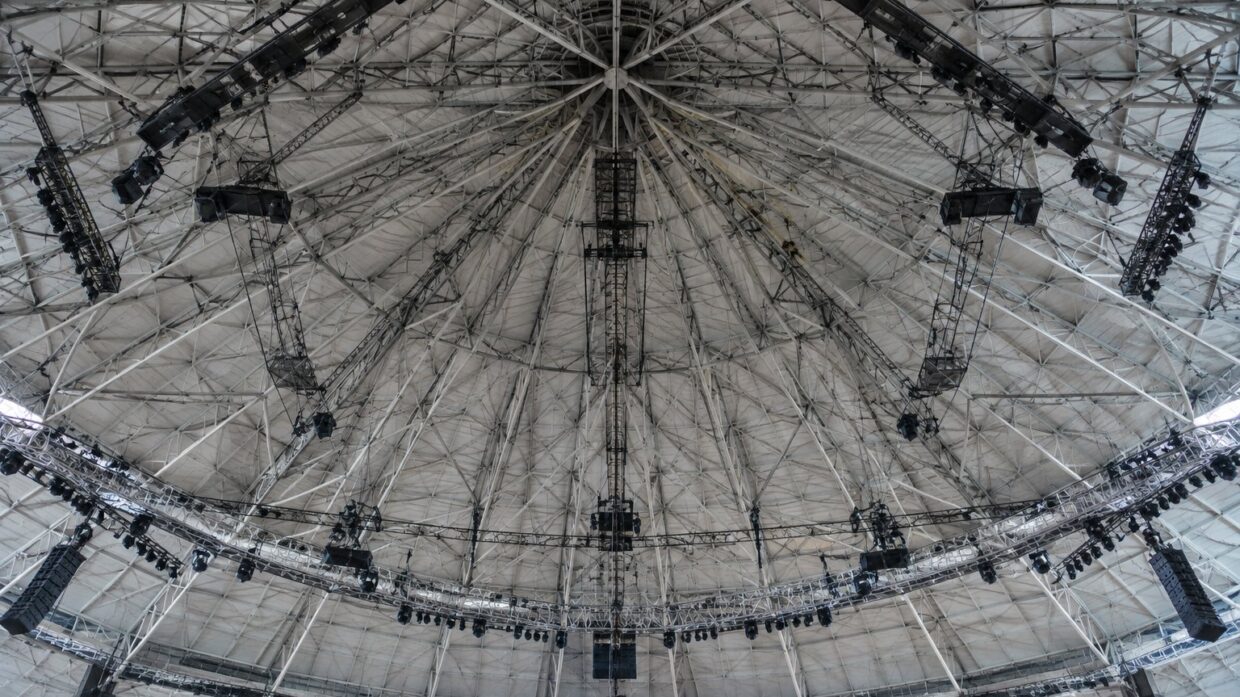
An Air Force service member died after falling from the Alamodome rafters during a pregame rappelling demonstration, but neither the available reporting nor the initial institutional response has disclosed what specific conditions or equipment failures contributed to the fall. The incident occurred Saturday before a UTSA-Navy college football game, Nellis Air Force Base Public Affairs confirmed Sunday, and the airman was transported to a local hospital where he subsequently died.
The documented facts are narrow. The event was a scheduled pregame demonstration. The location was the Alamodome in San Antonio, Texas. The airman was rappelling from the rafters. A fall occurred. The service member did not survive. The Air Force has not released the airman's name, pending family notification. The specific cause, equipment status, weather conditions, safety protocols in place, or whether this was a one-person or multi-person demonstration remains unaddressed in the initial reporting.
The right-leaning framing, present in The Daily Wire's headline, emphasizes the human tragedy within a military service context: an airman "dies after falling," language that centers the outcome without probing the circumstances. This framing serves a function, it treats the incident as a localized tragedy rather than raising institutional questions about safety protocols or demonstration procedures. The Hill's coverage uses similar language: "dies after attempting to rappel," which also foregrounds the outcome rather than the preconditions.
Neither source has published reporting that establishes whether this rappelling demonstration was routine, whether the airman was experienced in this specific maneuver, whether equipment was inspected before the event, or what safety redundancies were in place. The Alamodome hosts sporting events regularly; military rappelling demonstrations are occasionally featured at such venues. What the current reporting does not establish is whether this particular demonstration followed standard Air Force protocols, whether there were prior incidents at this venue, or what the procedure is for investigating and disclosing details of such deaths.
The Air Force's public affairs office confirmed the death but has not released the airman's identity or any details about the fall itself. This is procedurally standard during pending family notification, but it also means the public record currently contains only the bare outline: a military personnel death during a public event, with no documented explanation of how it occurred.
What neither the immediate news reporting nor Air Force statements have addressed is the institutional question underlying any such incident: whether the risk profile of pregame military demonstrations aligns with actual safety assurance, and whether public disclosure of incident details would inform that assessment. The available reporting treats this as a tragedy. The unaddressed question is whether it was also preventable, and if so, through what mechanism such prevention should be evaluated and enforced.
Military demonstration deaths at public venues create institutional pressure that extends beyond individual tragedies. When an airman falls during a rappelling display at a college football stadium, the Air Force faces pressure to either disclose what failed in its safety protocols or implicitly accept that such demonstrations carry acceptable casualty rates. The Alamodome will host future events; other military branches conduct similar pregame displays. If the Air Force withholds investigation details citing family notification procedures, it establishes a precedent that such incidents need not trigger public accountability for equipment failures, training gaps, or procedural breakdowns. Future demonstrations will proceed without documented lessons from this death, and the public record will contain only outcomes, never causes. This silence transforms a preventable death into institutional permission.