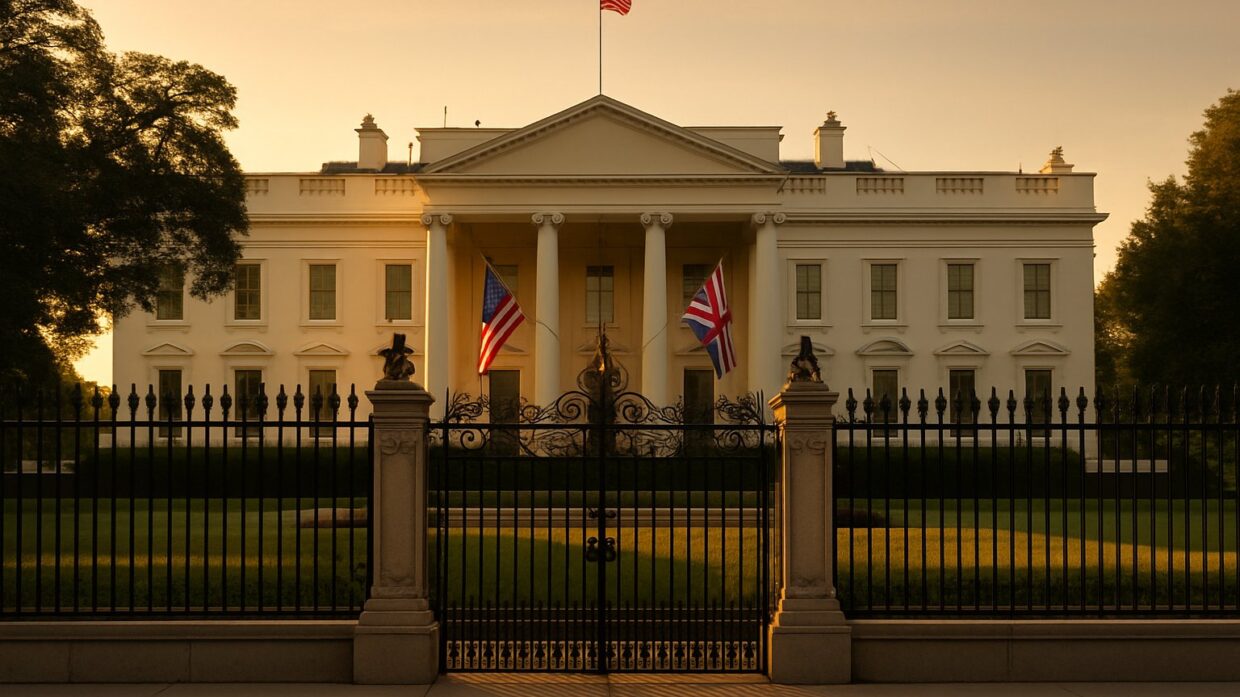
Photo: Well This Is News
Royal visit aims to repair transatlantic bonds fractured under Trump
King Charles meets Trump, attends 9/11 memorial during state visit
King Charles visits Washington amid U.S.-UK tensions over Iran policy
Key Takeaways
- Trump has publicly attacked Prime Minister Keir Starmer by name for refusing to support U.S. military escalation against Iran, exposing a fundamental policy disagreement between Washington and London.
- Britain lacks the leverage it once had to resist American demands, meaning the success of this visit depends entirely on Trump's decision whether to escalate punishment of a traditional ally.
- Both sides are publicly treating the visit as ceremonial routine while privately acknowledging it is damage control for a relationship already fractured by competing foreign policy demands.
- Britain's objections to unilateral U.S. military action in Iran stem from decades of Middle East involvement, economic concerns about oil markets, and legal constraints that differ fundamentally from U.S. law.
The Analysis
King Charles III arrives in Washington Monday for a state visit that both sides are publicly framing as ceremonial routine, while privately acknowledging it represents an attempt to prevent a historic rupture between Britain and America. What neither side is stating directly: this visit is damage control for a relationship already fractured by competing foreign policy demands, not a feel-good royal tour.
The factual baseline: King Charles and Queen Camilla will spend four days in the United States beginning Monday. The visit includes a White House meeting with President Trump and a wreath-laying ceremony at the 9/11 memorial in New York with Mayor Zohran Mamdani. These are confirmed scheduled events. The tension underlying them is not.
NPR frames this visit as an opportunity to "heal the transatlantic rift that's emerged under Trump," using language that attributes the damage to Trump's presidency specifically and suggests the royal visit might repair it. NPR omits that Britain's own Prime Minister Keir Starmer has publicly disagreed with Trump's Iran policy, which Trump has characterized as insufficient support for U.S. military action. NPR does not name Trump's exact criticism of Starmer. By emphasizing healing language, NPR presents the conflict as emotional rather than substantive, suggesting symbolic presence can resolve policy disagreements.
Fox News reports the visit as a straightforward itinerary of meetings and memorial observances. It names specific people, specific locations, and specific activities. It does not characterize the relationship as broken or tense. By reporting what Charles will do rather than what tensions exist, Fox avoids the question of whether those tensions matter. This framing treats the visit as protocol rather than crisis management, which omits the policy conflict entirely.
The Hill and Bloomberg both explicitly call the relationship damaged, with Bloomberg invoking the phrase "another historic break with America." The Hill names the specific irritant: Trump has "lambasted" Prime Minister Keir Starmer "for not being supportive of the U.S. war in Iran." This is factual. What both sources omit is the history of why Britain might object to unilateral U.S. military escalation in Iran: decades of British involvement in Middle East conflicts, British recognition that Iran policy affects global oil markets and the British economy, and British legal constraints on military action abroad that differ from U.S. law.
Neither side names it plainly: King Charles is being sent to Washington because traditional diplomatic channels have failed. Trump has publicly attacked the British Prime Minister by name. The visit is not restoring a relationship but attempting to prevent its complete breakdown. The royal presence is meant to signal that this is personal grievance theater on Trump's part, not rational policy dispute, and that Britain values the relationship despite disagreement on Iran.
What both sides quiet omit is that Britain does not have the leverage it once possessed to resist American demands. The visit succeeds or fails not because Charles is charming, but because Trump decides whether British disagreement on Iran policy merits escalated punishment of a traditional ally.
King Charles's visit signals that the U.S.-UK alliance now depends on personal diplomatic theater rather than institutional frameworks, revealing a fundamental shift in how Western powers manage conflicts when traditional channels have collapsed.