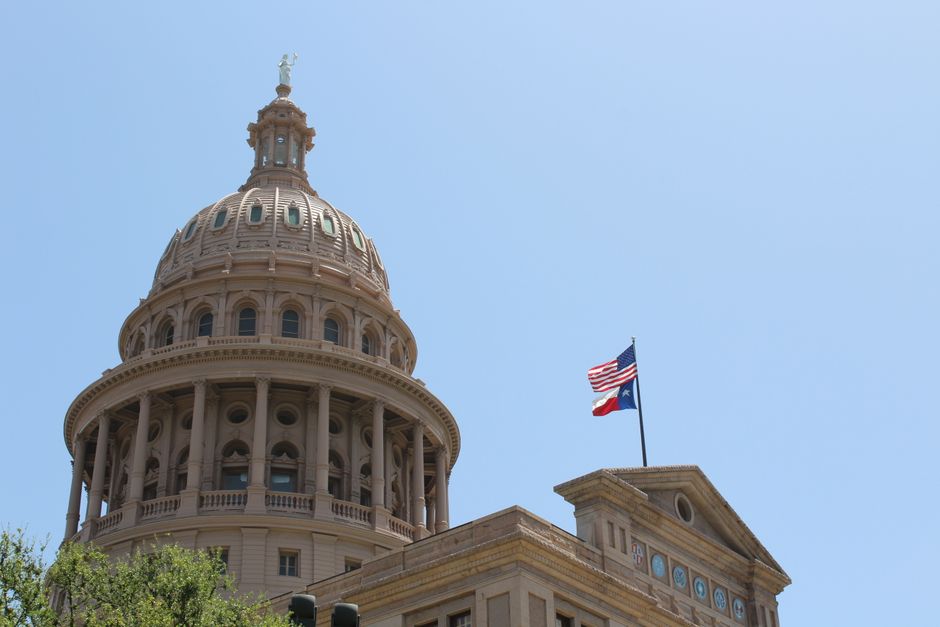
Photo: Ruben Reyes
Senate advances permitting bill despite environmental groups' warnings about gas pipelines and data centers
Senate clears hurdle for red-tape-cutting energy bill; 25 senators block progress
Senate advances permitting reform bill 73-25, clearing path toward likely passage
Key Takeaways
- The Senate passed a procedural test 73-25, but coverage did not explain why the 25 opposing senators split their votes the way they did or what objections the one Republican raised.
- Congress voted to compress environmental review timelines without publicly establishing whether specific reviews prevent actual harms or merely delay projects without adding safety value.
- The bill is framed as either enabling necessary infrastructure efficiency or weakening environmental protection, but other democracies show this is a false choice between speed and accountability.
The Analysis
The Senate's 73-25 procedural vote Monday on the Bipartisan American Affordability and Jobs Act resolves one tactical question while obscuring a deeper disagreement both parties are quietly managing. The bill passed its cloture test, but what happened to 25 senators' votes and why they split the way they did tells a more complicated story than either the pro-efficiency or pro-caution framing allows.
The procedural mechanics matter here. Cloture requires 60 votes to limit debate on a measure. The 73-25 outcome means 13 senators from the 25 who voted no were willing to let the bill proceed anyway, or those 13 had different reasons for voting no. The Washington Examiner reported that 24 Democrats and one Republican opposed advancement, but this framing leaves out why those 25 senators split that way across the two parties. Environmental groups, according to The Guardian, specifically targeted the bill's implications for gas pipelines and data centers, suggesting the Democratic opposition involved energy concerns. The Republican opposition, per reporting, was not attributed to environmental concern but the sources do not establish what principled objection that Republican senator raised.
What the bill actually does is narrow the timeline for environmental review of energy projects, pipeline construction, electrical transmission lines, and associated infrastructure. The exact language matters: the bill is called a "permitting reform" measure by sources across the political spectrum, which emphasizes acceleration and efficiency. The Guardian's framing emphasizes "speed up" and quotes that environmental groups "come out against" it, positioning the bill as something already moving and opposition as reactive. The Washington Examiner's language mirrors this, using "cut red tape" and positioning the 25 senators as blocking "progress," a framing choice that assumes the current direction is the only defensible one.
The left frame emphasizes what the bill enables: faster approval for gas pipelines and data centers, with environmental organizations naming specific concerns about infrastructure types and climate implications. But that framing does not foreground why permitting delays exist in the first place or what environmental reviews were designed to prevent. The right frame emphasizes deregulation and efficiency, calling existing environmental review timelines "red tape" and positioning opposition as obstruction. But that framing underplays that environmental review exists because previous infrastructure decisions, from highway construction to pipeline routing, often excluded local and environmental input until projects faced legal challenge at significant cost to all parties.
What neither frame adequately captures is that this bill is not a binary choice between climate protection and efficiency. Other democracies maintain rapid permitting for infrastructure while maintaining environmental accountability. The question the Senate was actually voting on is narrower and more technical: which environmental review steps can be compressed without losing their protective function, and which projects should move faster? That question requires evidence about which reviews prevent actual harms and which delay without adding safety or environmental value. The coverage does not establish whether Congress received that evidence before voting. The procedural outcome tells us 73 senators supported moving forward; it does not tell us whether they did so based on detailed analysis of permitting timelines or based on general ideological preference for fewer regulations.
This vote accelerates infrastructure permitting decisions that will shape energy development for decades, yet senators advanced the bill without public evidence that compressed environmental reviews maintain their protective function. The bill's language restructures how pipeline, transmission, and data center projects receive approval, directly affecting which infrastructure gets built and how quickly. Environmental reviews exist because past projects excluded community input until legal battles erupted; compressing those reviews shifts power from affected populations to federal agencies and developers. If this becomes law, the consequences appear immediately in reduced timelines for natural gas infrastructure and electrical grid expansion, with no mechanism to restore review steps if acceleration proves inadequate. The Senate's comfortable bipartisan margin masks that senators voted on ideological preference for deregulation rather than technical analysis of which review steps add safety value and which genuinely delay without benefit.