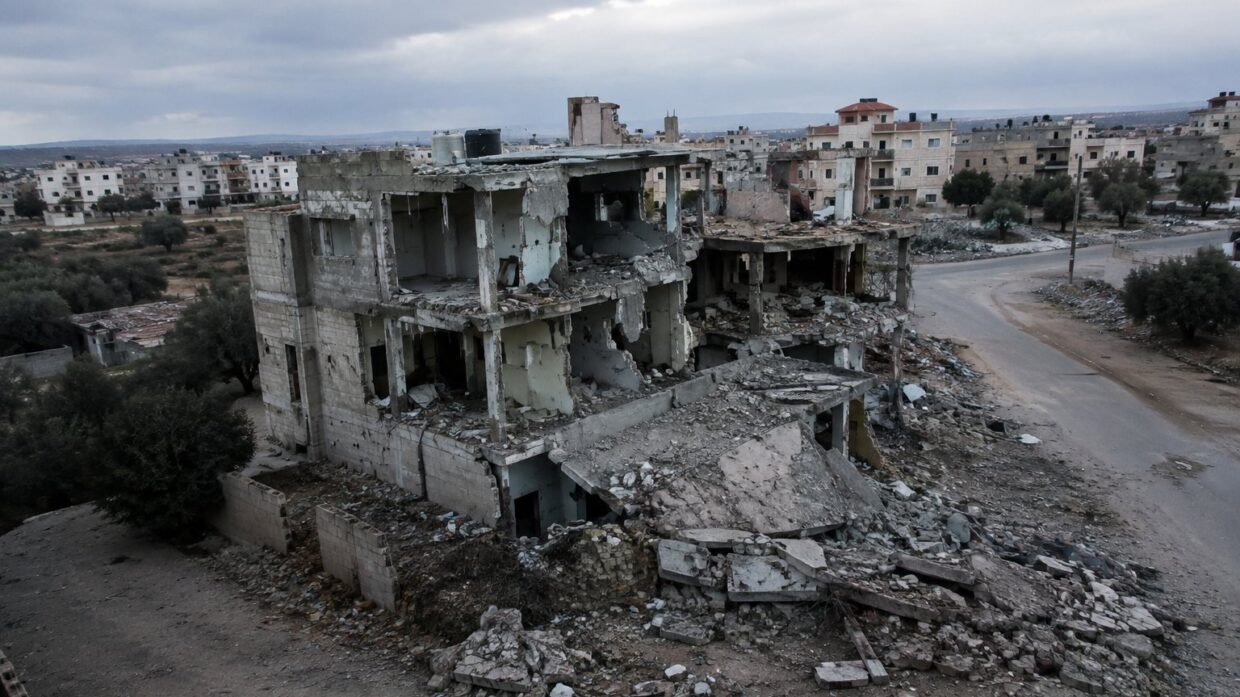
Photo: Well This Is News
Russia deliberately targets Ukrainian aid center in brazen attack; at least 26 killed
We haven't found a right-leaning take on this story yet.
Breaking stories sometimes publish before every side has covered them. We'd rather show you that than invent a view.
Russia strikes Ukrainian aid center, killing at least 26; US signals continued weapons support for Kyiv
Key Takeaways
- Russia has bombed Ukrainian infrastructure throughout the war in a documented pattern, meaning individual strikes fit an established cycle rather than representing unprecedented Russian behavior.
- The US appears to be preparing increased weapons funding for Ukraine through NATO coordination, signaling institutional resistance to any sharp reversal of support even if the White House holds reservations.
- Russia's strikes targeting civilian morale and humanitarian capacity are colliding with Washington's plan to increase weapons supply, creating two incompatible policy trajectories that will either accelerate escalation or entrench a grinding stalemate.
The Analysis
Russia struck a Ukrainian aid distribution center and neighboring shelter in southern Ukraine, killing at least 26 people, according to Kyiv officials. Simultaneously, reporting indicates the US is preparing to coordinate with NATO allies on increased weapons funding for Ukraine, a move that frames Washington's commitment as continuing despite documented tension between Trump and Zelenskyy. What neither the humanitarian framing nor the weapons-aid narrative fully acknowledges is what the sequence itself reveals about the current war's trajectory.
The Guardian's coverage emphasizes Zelenskyy's characterization of the attack as 'vile' and explicitly links the bombing to Russia's rejection of de-escalation. That framing is factually grounded in Zelenskyy's own statement and in the targeting of a civilian aid facility. What the left-leaning account does not foreground is the absence of verified independent confirmation of the 26-death count, the specific targeting justification Russia might claim for the site, or whether the facility had any documented military function. Ukrainian casualty claims warrant reporting but require clear attribution. By anchoring the narrative primarily to Zelenskyy's characterization of Russian intent, the framing essentially adopts the Ukrainian government's interpretive frame without establishing what evidence supports the 'deliberately targeting civilians' reading versus the Russian claim that the site housed military supplies or personnel.
The Bloomberg reporting approaches the same moment from a different angle entirely: not the bombing itself, but the US response. By framing the weapons-aid coordination as a demonstration of 'continued' support 'despite lingering tension' between Trump and Zelenskyy, the reporting emphasizes institutional continuity and downplays the reported personal friction. The phrase 'people familiar with the matter said' assigns no clear sourcing to the US planning claim itself. What this framing leaves out is any explanation of why the US would be announcing weapons-aid planning at the precise moment of a major Russian strike. That sequencing raises a question neither framing addresses: Is the bombing and the weapons-aid story connected by timing and editorial judgment, or are they genuinely separate developments being reported in proximity?
What neither side fully captures is the underlying context: Russia has bombed Ukrainian infrastructure continuously throughout the war, including civilian and humanitarian sites. Ukraine has consistently called these attacks violations of international law and evidence of Russian intent to demoralize the civilian population. Russia has consistently disputed casualty counts and claimed it targets military infrastructure. This pattern means that individual strike reporting, while significant, fits into a documented cycle rather than representing an unprecedented development. The more consequential story in the Bloomberg reporting is what it implies about US policy: that despite Trump's public skepticism toward continued Ukraine aid, the defense establishment is actively coordinating increased support through NATO. That suggests institutional resistance to any sharp policy reversal, even if the White House may have ideological reservations.
The real headline is not that Russia bombed an aid center or that the US plans more weapons support. It is that these two events signal incompatible policy trajectories colliding: Russia conducting strikes to undermine civilian morale and humanitarian capacity, while Washington prepares to increase weapons supply. That collision will either drive escalation or, if sustained without diplomatic movement, entrench the current grinding stalemate.
Russia's strike on a civilian aid center and simultaneous US coordination on increased weapons funding expose a fundamental contradiction now driving the war's trajectory. Neither development is novel; Russia has systematically targeted infrastructure throughout the conflict while Ukraine appeals to international law, and Washington has repeatedly signaled support despite Trump's reservations. What matters is that these parallel moves reveal the defense establishment's institutional commitment to weapons escalation even as diplomatic off-ramps remain closed. This collision between Russian attrition tactics aimed at civilian demoralization and American military deepening creates only two possible outcomes: either the conflict intensifies toward broader confrontation, or it calcifies into permanent stalemate. Without negotiation, continued weapons supply guarantees prolonged war rather than resolution, cementing Ukraine's role as a proxy conflict between NATO capabilities and Russian strategy rather than a path toward settlement.