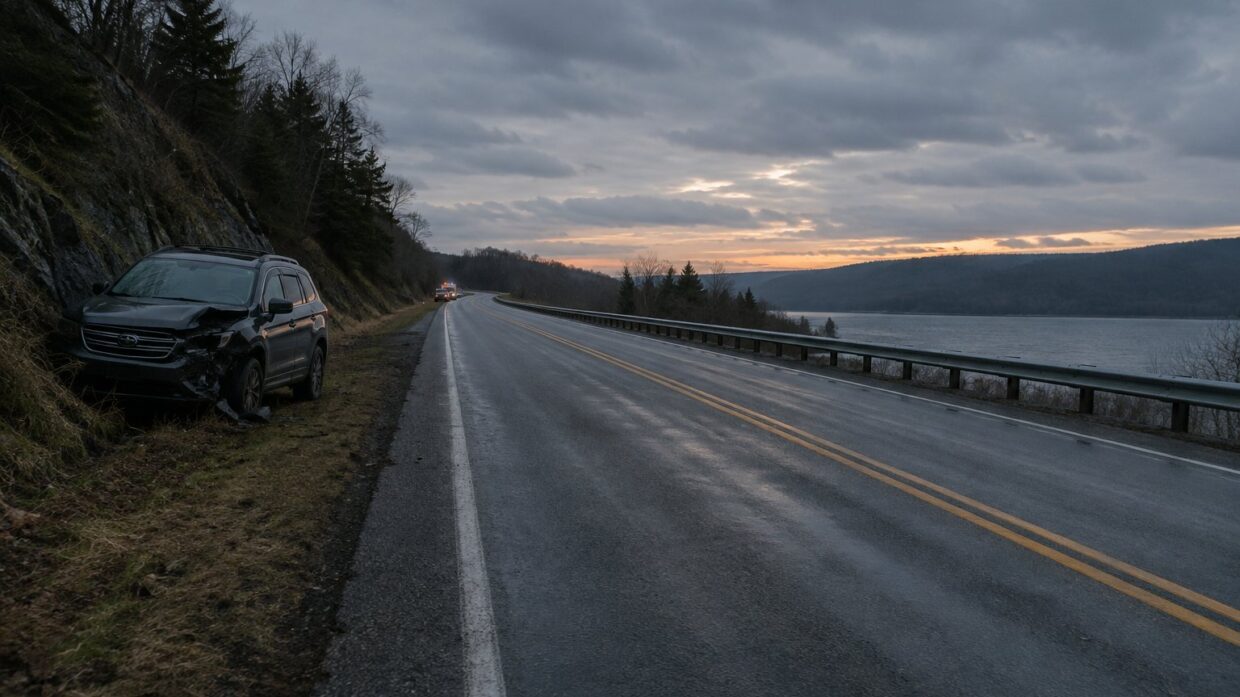
Photo: Well This Is News
Mary Peltola delays campaign events after sustaining minor injuries in car crash
Democrat hurt in car crash, postpones campaign events a week before midterms
Peltola postpones Alaska Senate campaign after Saturday car crash
Key Takeaways
- Neither side reported details about the other driver, whether the collision was reported to authorities, or what standard procedures apply to vehicle accidents in Alaska.
- The campaign chose to postpone events for two days based on an unspecified combination of medical advice and political judgment, but reporting provides no breakdown of which factor drove the decision.
- Both left and right framing strategically selected different details from the same accident to support opposing narratives about whether this represents a minor interruption or a meaningful campaign setback.
The Analysis
Mary Peltola, Alaska's Democratic Senate candidate, was in a car crash Saturday night that resulted in minor injuries to her and her family, forcing a partial campaign shutdown nine days before Election Day. The question is not what happened, but how the framing of when and why this happened shapes the political narrative around a candidate in a competitive race.
The verified facts are straightforward. Peltola was traveling to the Alaska Federation of Natives Annual Banquet when another vehicle struck her car. She and her family required medical attention. Her campaign announced Sunday that she would postpone campaign events scheduled for that day and Monday. No other vehicle operator was named. No citations or charges were reported. The campaign used the word "minor" to describe the injuries.
The left-leaning frame, exemplified by NBC News, leads with the word "minor" and emphasizes that events were "delayed" rather than cancelled. The headline includes no election timeline. NBC's language suggests inconvenience and recovery, not disruption. The story treats this as an operational logistical issue, not a campaign emergency. That framing leaves out something consequential: the specific timing. Nine days before a statewide election in a competitive race is not incidental. The omission is not a lie, but it deprioritizes context that changes how readers understand the event's significance.
The right-leaning frame, seen in the Washington Examiner and Daily Wire, leads with the timing: "a week before midterms" and "nine days before voters head to the polls." The Examiner calls Peltola a "challenger," a framing choice that emphasizes her underdog status. The Daily Wire emphasizes that injuries "required medical attention," a small word choice that contradicts "minor." These outlets do not claim the crash was deliberate or suspicious. They simply foreground the political calendar. That framing leaves out whether nine days is actually a meaningful handicap for a campaign, or whether minor injuries requiring standard medical evaluation would typically sideline a Senate candidate for more than two days.
What neither framing addresses is whether we know anything about the other driver, whether this was reportable to authorities in the way vehicle collisions typically are, or whether the campaign's specific duration of postponement reflects medical advice or political strategy. The public record does not establish these details. Both sides chose what to emphasize about a straightforward accident, and both omissions are politically convenient. The left avoids the election-timing angle. The right avoids scrutinizing whether the postponement length tracks with actual injury severity.
The underlying question is whether this story should be read as a minor campaign interruption or as a consequential event in a tight race. That answer depends almost entirely on whether you already consider the timing or the injuries the more important variable. Neither the sources reporting this nor the public record provides enough information to adjudicate that dispute factually. What the available reporting does establish is that both the candidate and her family received medical attention, and that the campaign made a strategic decision to halt events for at least two days. Whether that decision was medically necessary, tactically wise, or politically damaging remains a matter of interpretation.
Alaska's U.S. Senate race has narrowed to a razor-thin margin in final polling, making any campaign disruption in the final nine days potentially outcome-determinative. Peltola's two-day event postponement removes her from public view during the sprint phase when undecided voters make final decisions and early voting accelerates. In a race where registration advantages favor Republicans but Democratic turnout operations historically matter, a candidate's absence from the campaign trail compounds the challenge of reaching persuadable voters in a state where in-person contact drives electoral decisions. The crash itself is minor, but the timing accident occurs in the window where campaigns typically maximize visibility and consolidate support before ballots are cast.