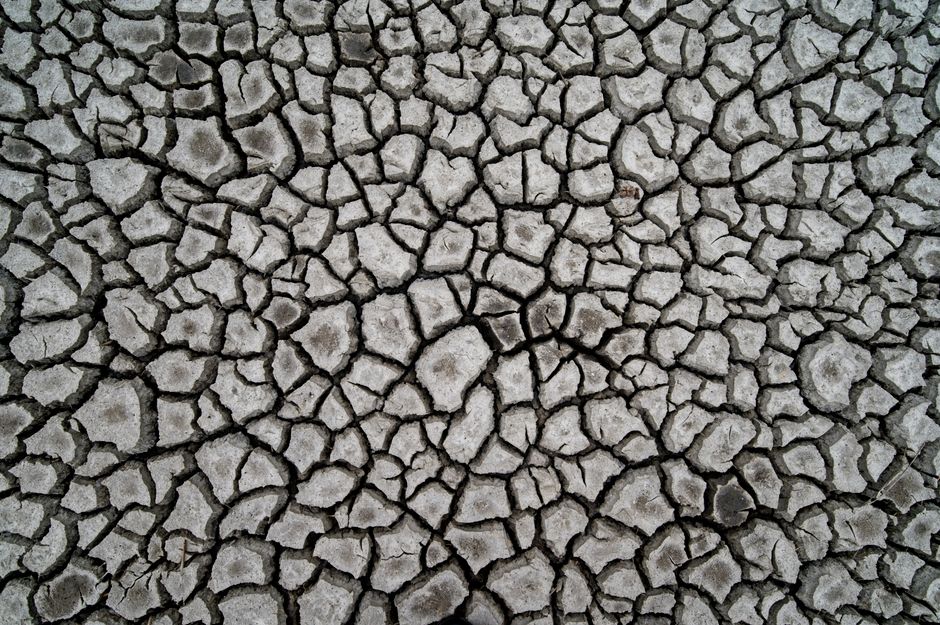
Photo: Theo Felten
Severe drought declared in six areas of England as reservoirs hit critical levels, threatening public supplies
We haven't found a right-leaning take on this story yet.
Breaking stories sometimes publish before every side has covered them. We'd rather show you that than invent a view.
England declares severe drought across six regions as reservoir levels fall to critical thresholds
Key Takeaways
- Neither major reporting explains how far below normal rainfall actually is, how long the deficit is expected to persist, or whether this reflects seasonal variation or a structural shift in water availability.
- Golf courses and private schools are politically convenient targets for conservation messaging, but news reports do not quantify how much water these restrictions actually save compared to total demand or other sectors.
- The drought declaration's legal force and enforcement mechanisms remain undisclosed: water companies urge expanded restrictions, but reports do not clarify whether measures are mandatory or voluntary, what penalties apply, or what conditions trigger escalation.
The Analysis
England has declared a severe drought across six regions following months of below-average rainfall, with some reservoirs now at critically low levels. The framing of this story differs significantly between sources on what the drought means and what response it demands, though both confirm the basic facts: the rainfall deficit is real, reservoir capacity is materially depleted, and water companies are preparing restrictions.
The BBC's framing emphasizes the minister's call for action and the severity of drought declaration as a policy threshold. The Guardian's reporting foregrounds the specific threat to public water supplies and names the categories of non-household users targeted by restrictions: golf clubs, private schools, and car washes. Both framings are accurate to what water companies are requesting, but they emphasize different audiences and consequences.
The Guardian's approach names specific water users and their activities, which serves to illustrate scale and scope of conservation. Golf course irrigation and car washing are water-intensive activities, and naming them identifies what gets rationed during scarcity. This framing implies that certain discretionary uses are luxuries that must yield to household necessity. The word "threatening" applied to public supplies carries material weight: reservoirs at critical levels do create genuine vulnerability to supply disruption if conditions worsen.
The BBC's emphasis on ministerial appeal and the formal drought declaration focuses on governance response and the severity threshold crossed. A drought declaration is itself a policy milestone that triggers certain restrictions and coordination mechanisms. This framing emphasizes institutional readiness and official acknowledgment rather than the granular conservation choices.
What neither framing directly addresses is the baseline question: how far below normal is rainfall, how persistent is the deficit expected to be, and what recovery timeframe water companies are modeling. The Guardian reports "months of low rainfall" and the BBC confirms this pattern, but neither provides specific precipitation data or forecasts that would let readers assess whether this is a seasonal anomaly or a structural shift in water availability. Neither article discusses whether reservoir management practices, infrastructure investment in water recycling, or population growth in supply-stressed regions has narrowed safety margins since prior droughts.
The restriction categories themselves merit scrutiny. Golf courses and private schools are identifiable constituencies, which makes them politically easier targets for conservation messaging than, for example, industrial water use or agricultural irrigation. The choice to name these sectors rather than quantify total non-household consumption leaves the reader without context for how much water these restrictions actually save relative to total demand.
What also remains undisclosed is the timeline and enforcement mechanism. Water companies are urging extended restrictions, but neither report specifies mandatory versus voluntary measures, penalty structures, or the conditions that would trigger escalation. A drought declaration may be legally defined as either advisory or binding depending on jurisdiction.
The underlying structural question is whether England's water infrastructure and demand patterns are calibrated to climate variability or whether prolonged dry periods now represent a genuine constraint on household and economic water availability. Neither framing engages that question, though the frequency of drought declarations would inform it.
England's drought declaration resets baseline expectations for water scarcity in one of Europe's wettest regions, signaling that infrastructure built for 20th-century precipitation patterns no longer buffers against extended dry periods. When water companies name golf courses and private schools as rationing targets, they implicitly concede that discretionary non-household use must shrink while household supply remains theoretically protected, yet neither source quantifies industrial or agricultural water consumption that dwarfs these symbolic restrictions. The absence of rainfall forecasts and recovery timelines means the public cannot assess whether this drought is seasonal or structural, leaving water companies with political cover to impose restrictions without demonstrating they have exhausted supply-side solutions like recycling infrastructure or demand management in growth-constrained regions. Future drought declarations will become normalized policy events rather than emergencies, eroding the urgency that motivates both conservation behavior and investment in supply resilience.