Photo: Edmond Dantès
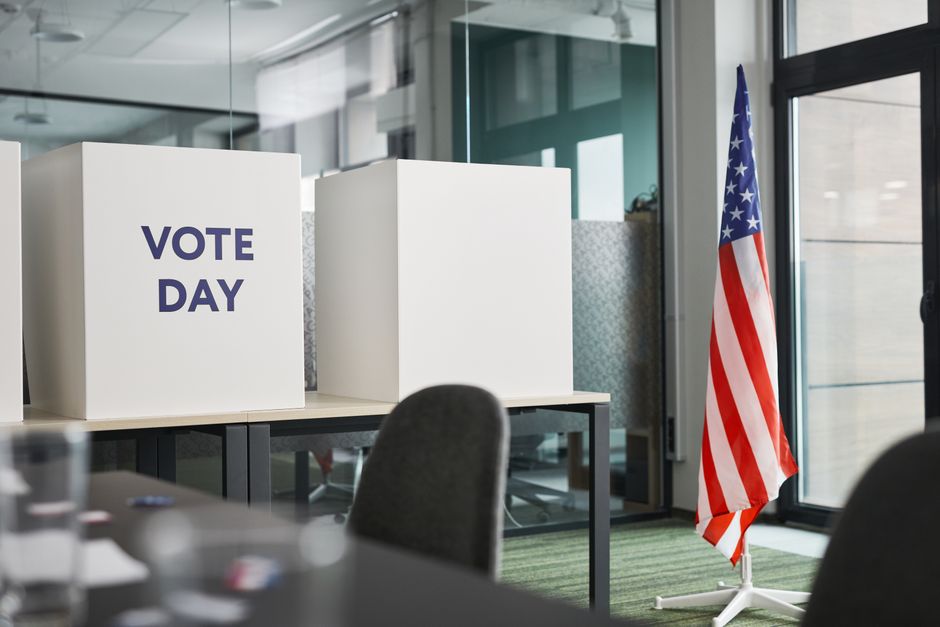
Suspicious powder threatens election offices as misinformation spreads about FBI director
NBC corrects false Russia report on FBI Director Patel after spreading unverified claims
We haven't found a neutral take on this story yet.
Breaking stories sometimes publish before every side has covered them. We'd rather show you that than invent a view.
The Analysis
Two distinct stories converged in the news cycle, creating a framing problem that neither side fully acknowledges: a genuine security incident at election offices, and a credibility failure in reporting about a federal official's location.
The verified facts are these: suspicious white powder was sent to election offices in three states. Federal and state law enforcement are investigating. No injuries or adverse health effects have been reported. FBI Director Kash Patel was at Liberty University in Virginia on the relevant date, attending a law enforcement-related event.
The left-leaning coverage, led by NBC News, emphasizes the election office threat as the primary story. The framing highlights the security vulnerability, the involvement of multiple states, and the coordination with law enforcement. This framing leaves one thing unaddressed: the reporting error about Patel's location and whether that error itself warranted the same investigative rigor applied to the powder incident. NBC's initial reporting did not verify Patel's whereabouts before broadcasting a claim that he had landed in Russia. Reporter Ken Dilanian later corrected the report on air, stating regret. The left-side framing absorbs this error into a broader story about election security rather than examining the mechanics of the failure.
The right-leaning coverage, led by The Daily Wire, inverts the emphasis. The headline reads "FBI Makes Lefty Network Regret Its Kash Patel Scoop." The story centers on the factual error, the network responsible (identified as "MS Now" in NBC's affiliated coverage), and the correction. This framing positions the error as emblematic of a broader pattern in which left-leaning outlets rush to report damaging information about conservative officials without verification. The Daily Wire's treatment leaves out any substantial coverage of the powder incidents themselves, which remain under federal investigation.
What neither framing addresses directly is this: a reporter made an unverified claim about the FBI director's location that contradicted what the FBI said. That error was corrected, but the speed of the correction and the clarity of the original reporting matter for understanding how newsrooms handle breaking information about federal officials, particularly when national security framing is involved. The left side frames around the genuine threat. The right side frames around the credibility failure. Both are true, and both are incomplete.
The underlying question is structural: when a reporter has a story they believe is significant and time pressure is real, what verification standards apply? The reporting does not establish whether this was a rush-to-publish failure, a misunderstanding of sourcing, or a communication breakdown between desk and reporter. The correction happened, which is the relevant institutional fact. But the pattern of how the error occurred, whether similar vetting gaps exist elsewhere, and what specific pressure led to broadcasting an unverified location claim about a cabinet-level official remains undisclosed.
Multiple white powder incidents targeting election infrastructure across three states represent a coordinated threat pattern requiring sustained investigative focus, yet the reporting chaos around FBI Director Kash Patel's location has consumed institutional credibility at precisely the moment election officials need confidence in media accuracy. NBC News broadcasting an unverified claim that Patel was in Russia, then correcting on air, exposes a verification breakdown that undermines the network's ability to report authoritatively on actual threats to electoral systems. When newsrooms fail to verify basic facts about federal officials' whereabouts before publication, election workers reasonably lose faith in those same outlets' reporting on powder incidents, suspicious packages, or genuine security vulnerabilities. The correction matters less than the systemic question it raises: what verification protocols collapsed, and are they also failing in election security coverage where Americans need reliable information most.