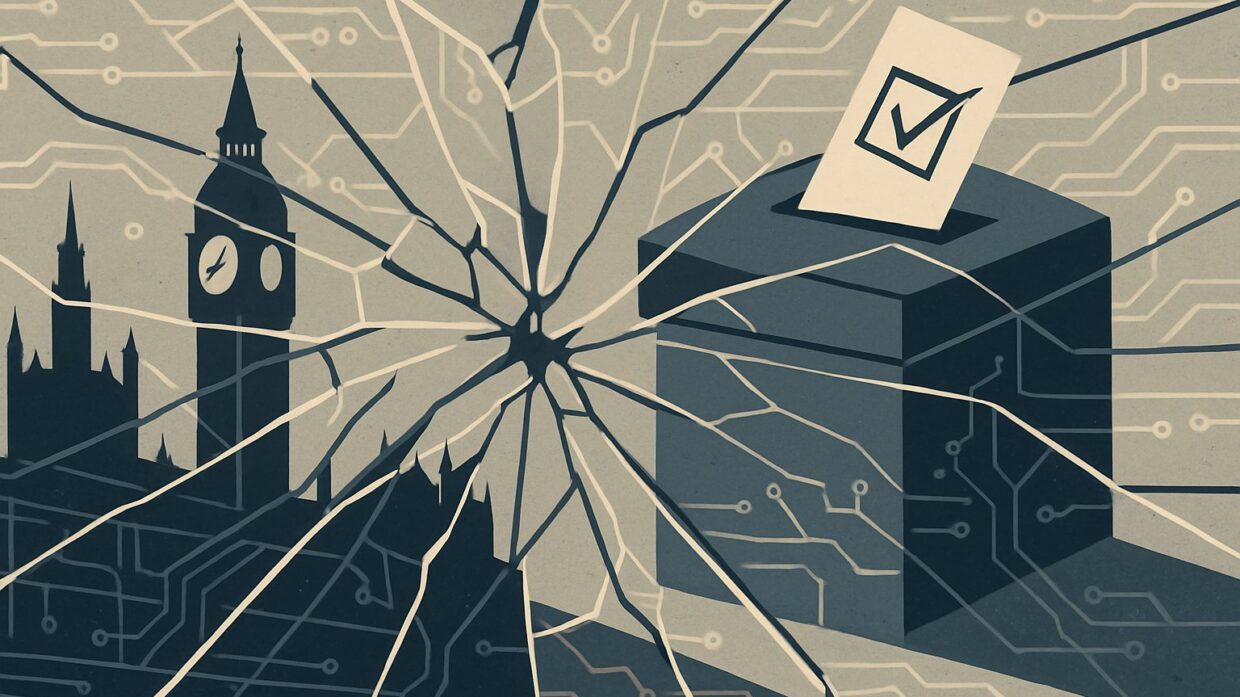
Photo: Well This Is News
Andy Burnham confirms Russia meddled in Brexit after Downing Street inquiry
PM claims Russia interfered in Brexit vote, declines to disclose evidence basis
Read More... from PM claims Russia interfered in Brexit vote, declines to disclose evidence basis
PM claims Russia interfered in Brexit vote, declines to disclose evidence basis
Key Takeaways
- Burnham stated he received a 'clear answer' about Russian interference from an unnamed official at Downing Street, but has not identified the source or revealed what intelligence assessment supports the claim.
- The UK Intelligence and Security Committee published a report on Russian interference in 2016, but its specific findings on Brexit remained redacted by government, leaving a gap between public conclusions and disclosed evidence.
- The reporting does not establish whether Russian interference reached a measurable portion of the electorate, how its impact compared to other influences on voters, or whether the evidence has been subjected to independent scrutiny.
The Analysis
A UK Prime Minister has stated that Russia interfered in the 2016 Brexit referendum, but the specific evidence supporting that claim remains undisclosed. Andy Burnham said he asked the question upon entering Downing Street and received a 'clear answer' that Russian interference occurred, yet he has not named who provided that answer or explained what assessment it was based on.
The public record here contains a claim but not the basis for it. Burnham used the word 'clear' to describe both his own conclusion and the answer he received, which sets a high bar for certainty. The BBC reported he said voters were not 'sufficiently' informed about how foreign actors sought to disrupt UK democracy, which frames the issue around public awareness rather than the degree of actual interference or its measurable impact on the vote outcome. The Guardian's framing emphasizes that Burnham 'does not reveal' who gave him the answer, which highlights the absence of attribution.
Neither outlet reported what specific intelligence assessment or investigation this claim draws from. The UK has conducted inquiries into Russian interference in democratic processes. In 2020, the Intelligence and Security Committee published a report on Russian interference in UK affairs, though that report's findings on Brexit specifically remained subject to prior government redaction and later public controversy. The available reporting does not establish whether Burnham is referring to that assessment, a more recent one, or statements from intelligence officials since his assumption of office.
The left-leaning framing emphasizes confirmation and foreign threat, using Burnham's statement to validate concerns about election integrity and foreign interference campaigns. That frame leaves out the question of how Burnham is measuring interference or what the distinction is between documented influence operations and proven electoral impact. The right has not yet generated a significant counter-framing in the available articles, which may indicate either limited initial engagement or acceptance of the basic claim.
What neither side addresses is the specific mechanics of alleged Russian interference, the scale of its reach, or how it compares to documented interference patterns in other democracies. The 2016 referendum was decided by 1.3 million votes in favor of Leave, but the reporting does not establish what portion of the electorate was exposed to Russian operations or how independently voters' decisions can be isolated from such operations. The public record also does not establish whether the intelligence assessment Burnham references has been subjected to the same level of scrutiny as similar claims about interference in other democratic votes.
The underlying question is whether this represents newly disclosed intelligence or public confirmation of findings already in the record. A fuller picture requires either disclosure of the assessment Burnham is citing or an explanation of why its contents remain restricted from public examination, particularly since the decision to reveal the conclusion but not its evidentiary basis creates the appearance of using intelligence selectively to make a political point without inviting scrutiny of the methodology. The relevant implication is whether voters and Parliament can evaluate the claim if the evidence remains classified or otherwise undisclosed.
If the Prime Minister possesses intelligence confirming Russian interference in Brexit but will not disclose its basis, Parliament loses its ability to scrutinize whether that assessment meets evidentiary standards or rests on methodology comparable to other democracies' findings. The Intelligence and Security Committee already faced criticism for redacted Russia findings; repeating that pattern with electoral interference claims erodes public trust in whether such disclosures reflect genuine security concerns or selective invocation of classified information to settle political arguments. Without accountability mechanisms tying conclusions to disclosed evidence, subsequent governments can invoke the same precedent to make unverifiable claims about other votes, fundamentally degrading the distinction between intelligence assessment and political assertion.