Photo: Sajid Shaikh
'This can't go on': Spain's housing crisis sparks massive street protests
Madrid housing protests fuel speculation over snap election pressure
Tens of thousands protest housing costs in Spain as government legislation stalls
Key Takeaways
- Spain's housing affordability problem may reflect structural constraints like geography and construction costs shared across Europe, not just policy failures unique to Sánchez's government.
- The failed legislation's specific contents remain unreported, leaving unclear whether the government attempted genuinely ambitious reform or a symbolic gesture that lacked coalition support.
- Neither the severity of Spain's housing crisis relative to comparable European countries nor the baseline data on how many people are housing-insecure has been established in coverage.
The Analysis
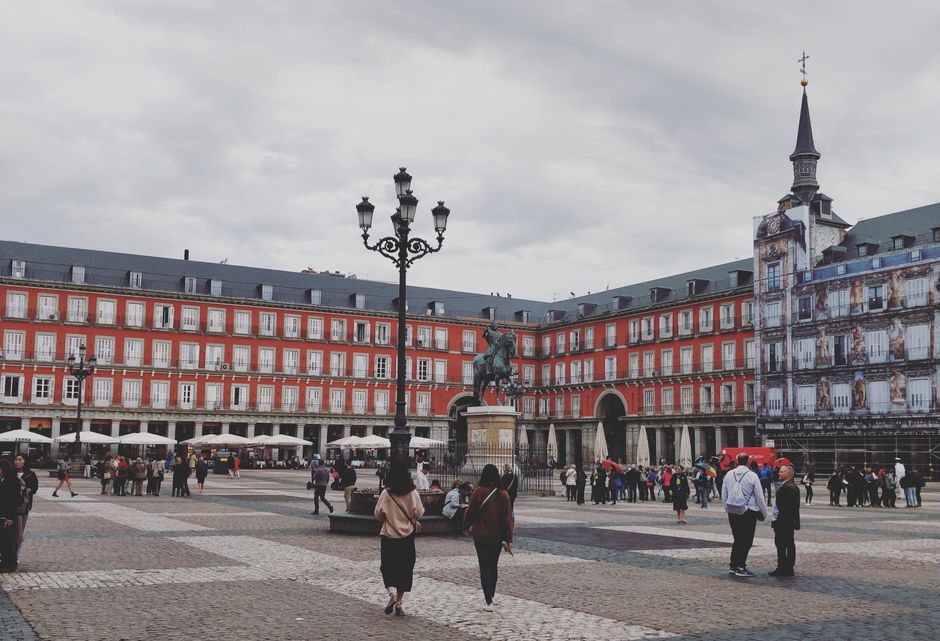
Tens of thousands of people demonstrated in Madrid and across Spain over housing costs, with the timing tied to the failure of government legislation designed to address the crisis. The specific sequence matters: the protests escalated after parliamentary measures did not advance, making this a story about both a substantive policy failure and the political consequences that follow.
What the available reporting establishes is straightforward. The demonstrations occurred. They were large enough to draw international coverage. The Spanish government had introduced housing-related legislation that did not pass. Prime Minister Pedro Sánchez's administration faces public pressure on the issue. Bloomberg and The Guardian both confirm these facts but frame them differently.
The Guardian's framing emphasizes the crisis itself and the urgency of the public response. The headline "'This can't go on': tens of thousands protest against housing crisis" centers the demonstrators' moral claim and suggests systemic failure. The language "mounting housing crisis" and "step up demands for action" positions the protests as a logical response to government inaction. This framing leaves implicit a narrative: the crisis is real and severe, the government has failed to solve it, and public anger is justified. What the Guardian does not foreground is whether Spain's housing problem is more acute than in comparable European countries, what specific policies the failed legislation contained, or whether Sánchez's government faces viable alternatives.
Bloomberg's framing reorients the story toward electoral politics. The headline "Madrid Housing Protests Fuel Speculation Over Spanish Election" moves housing from center stage to context. The key words are "fuel speculation" and "could increase pressure." Bloomberg is not reporting that an election will happen, but that the protests make one more likely to be discussed. This framing serves a different reader interest: political observers tracking government stability. What Bloomberg leaves underplayed is the substance of the housing problem itself and whether the protests reflect genuine policy failure or routine electoral posturing.
Neither source directly addresses Spain's prior housing policy history, the eurozone financial crisis aftermath in 2008-2012 when Spanish housing collapsed, or whether the current crisis reflects structural constraints (geography, zoning, construction costs) or policy failures (taxation, regulation, investment). Neither explains what the failed legislation specifically contained, which would clarify whether the government's attempt was genuinely ambitious or a symbolic gesture. Neither provides the baseline: how many people are housing-insecure, what percentage of income goes to rent, or how Spain's affordability compares to France, Germany, or Portugal.
The underlying question neither framing fully captures is whether the Spanish government faces a genuinely intractable problem or a political will problem. If housing costs reflect European-wide construction constraints and labor shortages, no single government can solve it. If costs reflect regulatory barriers or taxation choices that Sánchez's coalition could change, the absence of legislative action becomes more significant. The fact that the legislation failed to pass suggests either it was insufficient in scope or Sánchez's political coalition lacked the votes. That distinction matters and is not established in either source.
What makes this significant is that street protests are being reported as electoral signals rather than policy diagnostics. That reframing is not dishonest, but it does shift attention from the question of what actually needs to happen to the question of which politician benefits from the crisis continuing.
Spain's housing protests will reshape the government's coalition dynamics in ways that limit future legislative flexibility. When tens of thousands demonstrate over a failed bill, the political cost of compromise rises sharply. Sánchez's coalition partners will demand stronger action on their next attempt, narrowing the acceptable policy range and making incremental solutions politically radioactive. This means Spain will likely swing between symbolic legislation that fails and calls for more radical intervention, neither of which addresses whether the underlying problem stems from zoning restrictions, construction labor shortages, or taxation policy. The cascade effect matters: protest-driven polarization on housing will drain coalition bandwidth from other priorities like labor reform or infrastructure, embedding the housing crisis into structural government dysfunction rather than solving it.