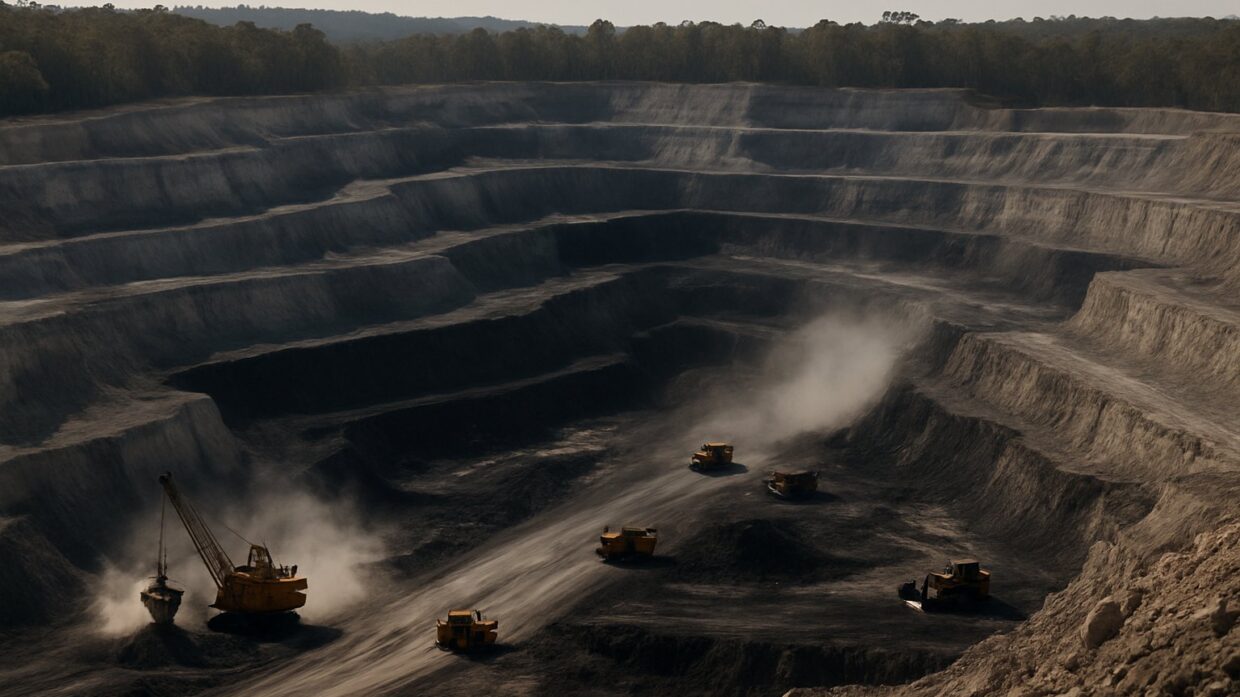
Photo: Well This Is News
Australia Betrays Climate Commitment With Massive Coal Mine Approval, Government Adviser Says
NSW Clears Major Coal Project; Climate Advocates Ignore Economic Benefits and Energy Needs
NSW Approves Largest Coal Project in State History as Climate Policy Tensions Intensify
Key Takeaways
- The approval process hinged on whether the planning commission analyzed climate-related economic costs, but reporting never confirms what analysis it actually conducted or whether it rejected such analysis deliberately.
- Kean's opposition reflects his individual federal position as Climate Change Authority chair, yet reporting does not establish whether this represents the broader Albanese government's stance toward state-level coal approvals.
- The project's actual scale,job numbers, coal volume, timeline,remains unquantified in coverage, making it impossible for readers to weigh the concrete tradeoffs between economic and climate outcomes.
The Analysis
New South Wales has approved what the planning commission and media sources identify as the largest coal mining expansion in state history, creating an explicit confrontation between state energy development decisions and federal climate policy. The decision came from the Independent Planning Commission, which greenlit the project despite stated objections from Matt Kean, chair of the federal Climate Change Authority and an adviser in the Albanese government.
Kean's position places him at the center of this tension. The reporting identifies him as a "senior Albanese government climate adviser," yet he appears to have had no formal role in the state-level approval process. The Guardian reports that Kean "challenged" the approval and specifically argued that the planning commission "did not account for climate-related economic damage." This is a testable claim: Kean is asserting that the Independent Planning Commission's published reasons for approval excluded quantified economic analysis of emissions costs. The reporting does not establish whether the commission considered and rejected such analysis, or simply did not include it in its published rationale.
The left framing, particularly in Georgina Woods' Guardian opinion piece, characterizes the approval as "shocking proof that our governance systems are betraying Australians" and frames the decision within language of "death, disaster and despair." This language relies on an attribution of motive and intent to the planning commission itself. The reporting does not establish that the commission ignored climate economics deliberately. It establishes that Kean, as a federal climate adviser, believes the analysis was incomplete. What the left framing leaves out is any explanation of what the commission's published reasoning actually contained, what tradeoffs it weighed, or whether it addressed climate impacts in different terms than Kean would prefer.
No right-leaning source appears in the provided materials, which creates a blind spot. A complete picture would require reporting on the coal industry's or NSW government's justification for the approval, their economic projections for the project, or their position on whether climate costs were adequately considered. The absence of that framing means this analysis cannot fully characterize what the right side is emphasizing or omitting.
What neither side's coverage foregrounds is the specific tension between state and federal authority over energy approvals in Australia's federal system. The reporting identifies Kean's objection but does not explain what mechanism exists or does not exist for federal climate policy to constrain state-level resource extraction decisions. The Independent Planning Commission is a state body. Kean chairs a federal authority. The reporting suggests institutional friction but does not establish whether Kean's position reflects a broader federal government stance or his individual assessment. That distinction matters for understanding whether this represents a federal-state policy conflict or a personal disagreement by one official.
The reporting also does not establish the project's scale in concrete terms. "Largest in state history" is relative and narrative. How many jobs does it create? What volume of coal? Over what timeframe? These numbers are necessary to weigh tradeoffs that the current reporting presents as purely one-sided. A fuller account would establish the material stakes on both the climate and economic sides of the ledger.
NSW's approval of this coal project crystallizes a structural gap in Australia's federal climate architecture: a state planning commission can greenlight decades of emissions with no formal mechanism to enforce federal climate commitments. Kean's objection from the federal Climate Change Authority carries no legal weight over state resource decisions, exposing what amounts to institutional paralysis when state energy policy contradicts national net-zero targets. Until Australia resolves whether climate policy lives at the state or federal level, these contradictions will repeat, each one further undermining the credibility of whichever authority claims to control emissions. The planning system has no way to reconcile them. That is the governance failure this approval documents.