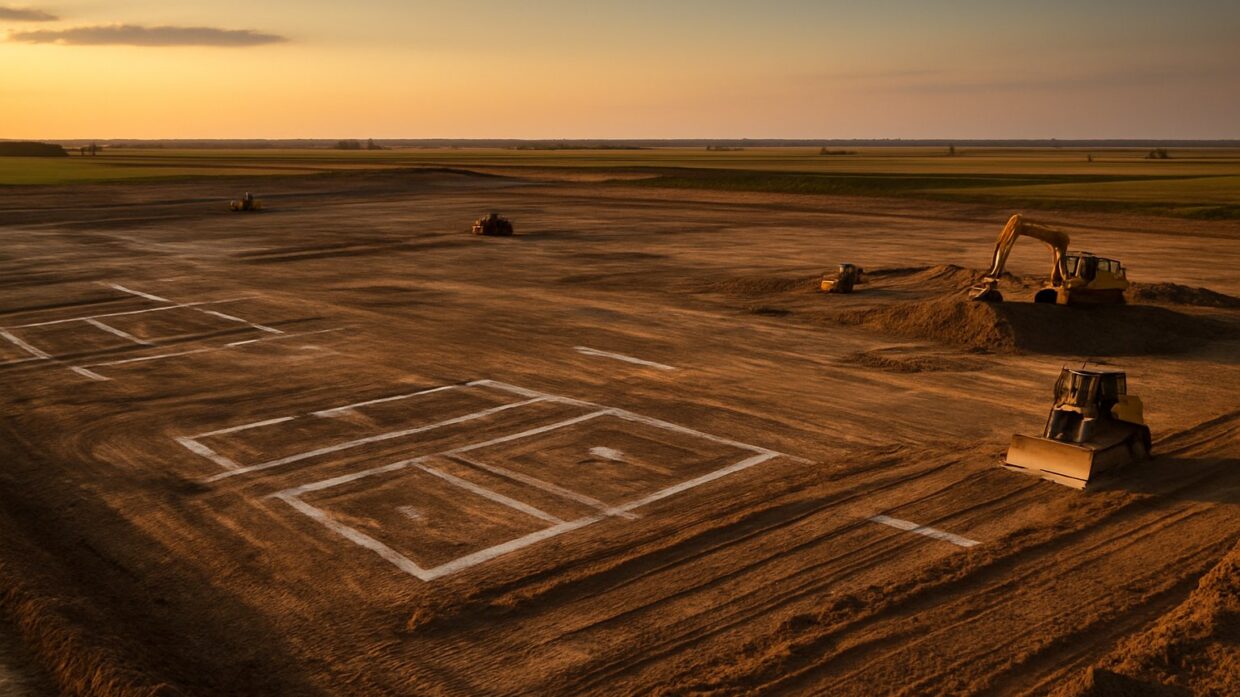
Photo: Well This Is News
Trump touts $15 billion steel mill in Iowa as economy stumbles before midterms
Largest-ever US steel plant coming to Iowa as Trump pushes manufacturing revival
Trump announces $15 billion Iowa steel plant; production unlikely before 2030
Key Takeaways
- Neither side explained what economic conditions or government support make a $15 billion steel plant financially viable when American labor costs and wages exceed those of foreign competitors.
- Trump's tariff policies would support the plant's long-term profitability, but tariffs also raise steel prices for construction, automotive, and appliance manufacturers, a tradeoff that went unexamined.
- The announcement addresses Iowa's economic sentiment in 2026 (midterm time) with a plant that won't produce anything until 2030, creating a mismatch between political timing and economic reality.
The Analysis
Trump announced a $15 billion steel mill in Iowa on Monday backed by Mesabi Metallics. The project would be the largest steel plant in U.S. history. But the facility won't produce steel until at least 2030. That timing gap is what neither the left nor the right is centering, and understanding it requires knowing what each side is actually emphasizing and what both are deliberately leaving out.
The verified facts: Mesabi Metallics is undertaking the project. The plant will be located in Iowa. The investment figure is $15 billion. The company has stated production will begin no earlier than 2030. Trump announced this at the White House on Monday. Iowa is a battleground state where economic anxiety has shaped voter sentiment ahead of midterm elections.
The left frame, as deployed by NBC News and Bloomberg, emphasizes the announcement's proximity to midterm voting. NBC News leads with "Trump to unveil plans" without mentioning the 2030 production timeline in the headline. Bloomberg frames it as Trump touting the project "ahead of midterms" and notes Iowa is a "battleground state where voter dissatisfaction with the economy has hurt Republicans." The framing positions the announcement as a political move designed to address immediate voter concerns. What this language leaves out is whether the announcement is credible as an economic remedy for the actual midterm moment, since voters will not see a single steel beam produced before 2030. The omission is politically convenient because it implies the announcement addresses present-day economic injury.
The right frame, as deployed by Fox News and the Washington Examiner, leads with the superlative: "Largest-ever US steel plant" and "largest steel plant in American history." Fox News mentions the 2030 timeline but places it in the summary, not the headline. The Examiner calls it "the largest steel project in American history." This framing emphasizes scale and American manufacturing capacity restored. What the right side underplays is the question of whether an announcement of future capacity actually constitutes a jobs solution for a state currently experiencing economic pressure. The emphasis shifts toward industrial symbolism rather than economic timing.
What neither framing adequately addresses is the fundamental policy mechanics. The project requires tariff protection or subsidy to be economically viable once built, because American steel prices compete globally and domestic labor costs are higher than foreign producers. Trump's administration has imposed tariffs on steel imports, which would support the project's long-term profitability. But tariffs also increase prices for industries that use steel as input, a tradeoff neither side's coverage centers. Mesabi Metallics' CEO name is provided by the Examiner but neither outlet explains the company's prior experience, capital structure, or whether this represents new private investment or government-backed financing.
The underlying question is what an announcement means when the product arrives eight years after the political moment that prompted it. The real headline is: Trump announces future capacity, not present remedy, in a state where economic sentiment will be determined by employment conditions in 2026, not 2030.
A steel mill that won't produce for eight years cannot address the economic anxiety Iowa voters feel heading into 2026 midterm elections, yet both political camps deployed the announcement to signal opposite truths: Democrats implied Trump was manufacturing a political distraction from present joblessness, Republicans argued he was rebuilding American industrial capacity. Neither addressed the tariff costs that downstream manufacturers will absorb immediately while Iowa workers wait until 2030 for employment. The announcement's real impact lies in establishing a precedent where government-backed industrial commitments can be announced as electoral remedies despite operating on timelines that bypass the voters those announcements supposedly serve. If this framework persists, future candidates will announce production capacity at will while actual economic relief remains perpetually deferred.