Photo: Well This Is News
Trump pushes 'superintelligence' at UN while repeating false claims
Trump defends Iran strategy, touts brokered peace deals at UN General Assembly
Trump addresses UN on AI, Iran, and peace deals amid global tensions
Key Takeaways
- Trump's specific peace settlement claims remain unverified by independent sources, meaning neither side can accurately assess whether he actually brokered the agreements he referenced or what role he played in them.
- Trump's statement that he would negotiate with Iran after the midterm elections suggests the timing is tied to campaign strategy rather than diplomatic readiness, and no reporting confirms whether Iranian officials have expressed willingness to engage in such talks.
- Trump's position on unrestricted AI superintelligence development lacks documented explanation of what the policy actually means or how it aligns with existing U.S. AI governance frameworks, leaving the substance of this major announced position unclear.
The Analysis
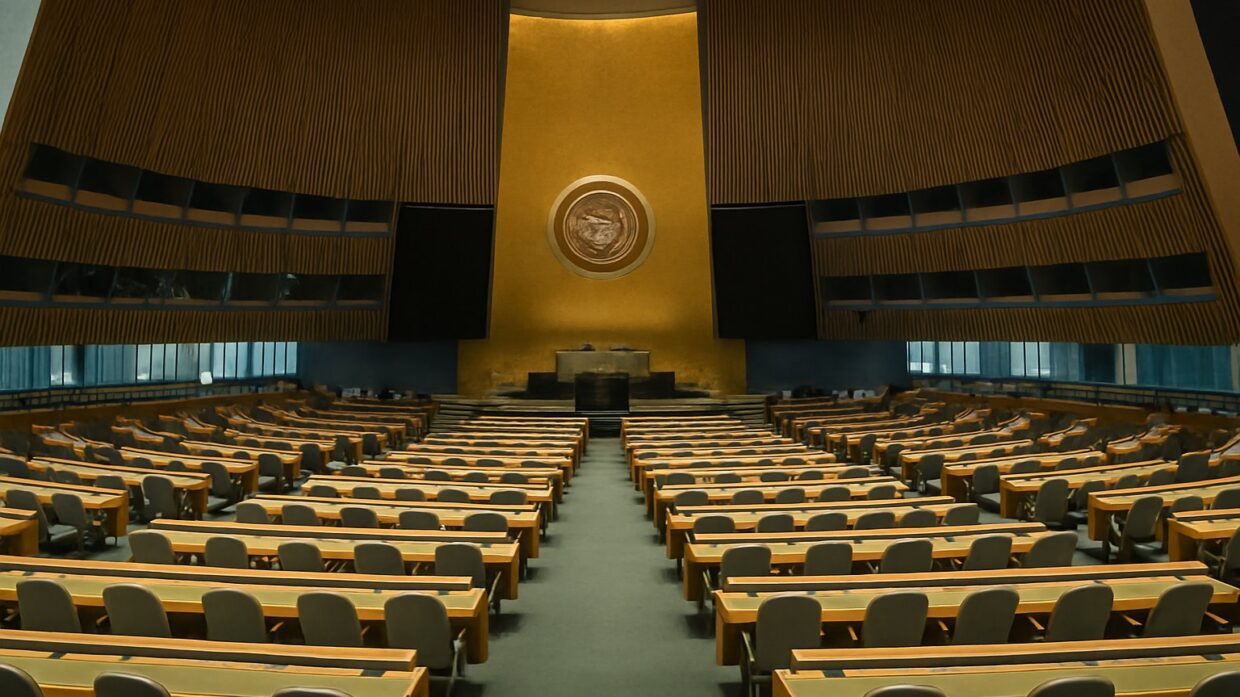
Trump's address to the United Nations General Assembly in September 2026 compressed multiple foreign policy positions into a single speech, but the coverage across outlets disagreed fundamentally on what he actually said and whether it constituted policy clarity or rhetorical overreach. The specific claims matter because they reveal what each side is emphasizing and, more importantly, what the public record does not yet confirm.
The documented facts are these: Trump declared the United States would "only encourage superintelligence" in AI development during his UN remarks, according to NBC News reporting. He also stated he had brokered multiple peace settlements between nations and discussed his Iran strategy with world leaders. The Washington Examiner reported that Trump defended his decision to start a war with Iran and stated he would broker a peace deal with Tehran after the midterm elections. Separately, Axios confirmed Trump met with New York City Mayor Zohran Mamdani for a third in-person meeting to discuss a housing project in Queens.
The left-leaning coverage from HuffPost and MSNBC emphasizes that Trump repeated what the outlets characterize as false claims and that his AI position dismissed widespread expert warnings about catastrophic risks. HuffPost's language is direct: Trump used the UN stage to deliver "the same nonsense" he inflicts on Americans in other speeches. This framing treats Trump's statements as continuations of a documented pattern, though it does not specify which particular claims fact-checkers have disputed in this specific speech. The left's omission: it does not engage with whether any of Trump's peace settlement claims have been verified by independent sources or what the actual outcomes of those settlements were. It focuses on tone and pattern rather than substance of the agreements themselves.
The right-leaning coverage from the Washington Examiner and Breitbart foregrounds Trump's defense of Iran policy and his commitment to negotiating with Tehran. The Examiner's language frames the speech as "subdued" and places Trump's future peace deal announcement as a concrete policy outcome. Breitbart coverage emphasizes Trump's cordial meeting with Mayor Mamdani and the warming of relations between them. The right's omission: it does not substantively engage with the diplomatic precedent or institutional legitimacy of starting a war with Iran without Congressional declaration, nor does it address expert criticism of the AI superintelligence position. It focuses instead on Trump's personal relationships and stated intentions.
What neither framing addresses is the gap between Trump's claims about peace settlements and independent verification of those claims. The left treats them as rhetorical flourish; the right treats them as accomplishments. The available coverage does not establish which specific peace agreements Trump references, their current status, or what role Trump played versus other parties. Similarly, on the superintelligence position, neither side reports what Trump meant by the phrase or how that squares with existing U.S. AI governance frameworks. The UN itself has expressed concern about uncontrolled AI development. Trump's exact language and his intended policy are not documented in these reports.
The Iran dynamic requires particular attention. The Washington Examiner reports Trump said he would broker a deal "after the midterm elections," which suggests the timing is tied to campaign considerations rather than diplomatic conditions. This detail appears only on the right-leaning outlet and neither the left nor the right-aligned coverage explains what preconditions Trump believes must be met before negotiations could succeed, or whether any Iranian officials have indicated openness to such talks. The sequence suggests Trump is positioning a future negotiation as a campaign promise, but the public record does not yet establish whether Tehran has signaled willingness to engage.
Trump's UN address will shape what counts as verified foreign policy versus campaign rhetoric for the next eighteen months. When he claims specific peace settlements, the absence of independent documentation means those claims will circulate unchallenged until journalists force public confirmation or contradiction, establishing precedent for what statements require evidence. His AI superintelligence position bypasses the existing National AI Safety Institute framework without stated legal mechanism, meaning if implemented, it would require either Congressional revision of current AI governance statutes or executive action that contradicts established regulatory architecture. The Iran negotiation timeline tied to midterm elections creates a measurable benchmark: if talks begin only after voting concludes, it confirms campaign strategy drove diplomatic announcement rather than Iranian willingness or U.S. strategic conditions. These are not abstract credibility questions. They determine whether future presidential UN addresses trigger fact-checking obligations, whether existing AI safety institutions retain authority, and whether Congress must legislate to clarify war-making authority versus executive declaration. The institutional