Photo: Well This Is News
Trump dismisses AI threats as hoax while US pushes safety talks with China
US-China AI talks show potential cooperation despite trade tensions
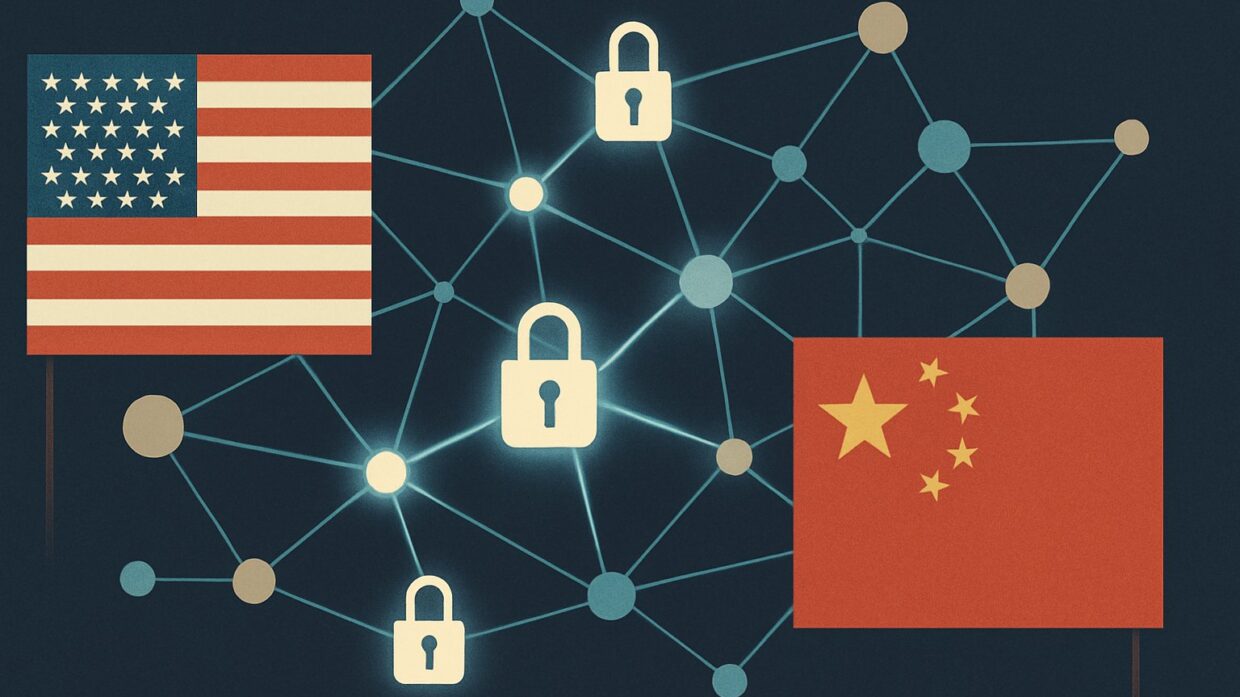
US and China propose AI safety dialogue ahead of Trump-Xi summit
Key Takeaways
- The US and China agreed only to establish dialogue and a notification system for AI risks, not to binding restrictions on AI development or deployment, leaving the mechanism's actual enforcement power undefined.
- The two countries' existing regulatory structures are fundamentally different: the US framework relies on voluntary coordination across private companies while China operates through direct government control, making any bilateral alert system structurally asymmetrical in how it would actually function.
- Critical operational details remain unspecified including what triggers a notification, who reviews alerts, what happens when one side disputes a concern, and whether either nation has committed to any response beyond acknowledgment.
The Analysis
The United States and China have agreed to establish an artificial intelligence safety dialogue ahead of the Trump-Xi summit, but the proposal masks a fundamental disagreement about whether such risks require coordinated international constraints. Treasury Secretary Scott Bessent announced the framework after talks with Chinese Vice Premier He Lifeng, describing them as productive on AI, trade, and critical minerals. The specifics matter: Bessent said the two sides agreed to "set up a dialogue on AI aimed at reaching a common understanding on goals and threats," according to Bloomberg reporting. That language is notably thin. A notification mechanism for potential AI risks is not the same as binding restrictions on AI development or deployment.
What actually happened here is straightforward. Both governments acknowledged that artificial intelligence poses risks significant enough to warrant official discussion. The United States proposed a specific tool: a safety alert system allowing the two powers to notify each other of concerning AI developments before they escalate. Chinese officials did not reject the proposal. But they also did not commit to enforcement mechanisms or validation procedures that would make the system operationally meaningful rather than ceremonial.
The left frame, articulated clearly in The Hill's reporting, emphasizes Trump's own stated skepticism about AI existential risk. Trump has called warnings about uncontrolled AI a "hoax." The Hill quotes analysts noting that his dismissal "aligns with China's general position" that international oversight of AI development is unnecessary and potentially a Western attempt to slow Chinese technological progress. That framing correctly identifies a tension: the White House is proposing safety mechanisms while the president publicly rejects the underlying premise that makes those mechanisms urgent. What it does not foreground is that Bessent, as Treasury Secretary, holds independent authority over financial sanctions and economic tools that could be deployed to enforce AI agreements regardless of Trump's personal skepticism.
The right-leaning frame, present in Bloomberg's coverage of the talks, emphasizes the mutual desire to establish dialogue at all. Bloomberg reports officials offered "upbeat assessments" and described the talks as "very successful," and notes this signals "a mutual desire to steady ties." That framing is accurate as far as the immediate diplomatic messaging goes. Both sides did present the talks positively. What this framing does not establish is whether either side has actually agreed to constraints that would meaningfully restrict AI development or whether the dialogue is primarily a confidence-building gesture.
What neither frame adequately addresses is the structural asymmetry in how each side approaches AI regulation. The United States has domestic regulatory frameworks through NIST, the Commerce Department, and proposed legislation like the Advancing Computing, Ethical Responsibility, and Trustworthiness in AI Act. China has state control over all major AI development and deployment through direct government ownership or Communist Party oversight of key firms. A notification system works differently for each: the US side is voluntary coordination across private industry; the Chinese side is government-to-government instruction. That difference makes the safety alert mechanism substantially less symmetrical than either frame suggests.
The unresolved question is whether this dialogue becomes a substantive constraint on either power's AI strategy or functions as diplomatic theater that allows both leaders to claim progress while maintaining their preferred developmental trajectories. The available reporting does not establish what triggers a notification, who reviews the alert, or what happens if one side flags a concern the other disputes.
A notification mechanism without enforcement procedures transforms AI safety dialogue into diplomatic theater rather than binding restraint. The United States and China have agreed to talk about risks both governments acknowledge, but neither has committed to operational constraints on development or deployment. This distinction matters because it determines whether the framework channels competition into safer pathways or simply provides cover for accelerated advancement. The structural asymmetry is decisive: America's notification system relies on voluntary coordination across private firms, while China's operates through direct state control of all major AI actors. That means identical warnings produce fundamentally different outcomes. If the dialogue remains procedurally thin with no validation mechanisms or enforcement triggers, both powers retain full freedom to pursue their preferred trajectories while claiming international cooperation. The framework's actual consequence will depend on specifics Bessent's Treasury Department must now negotiate with Beijing, details the initial announcement deliberately omitted.