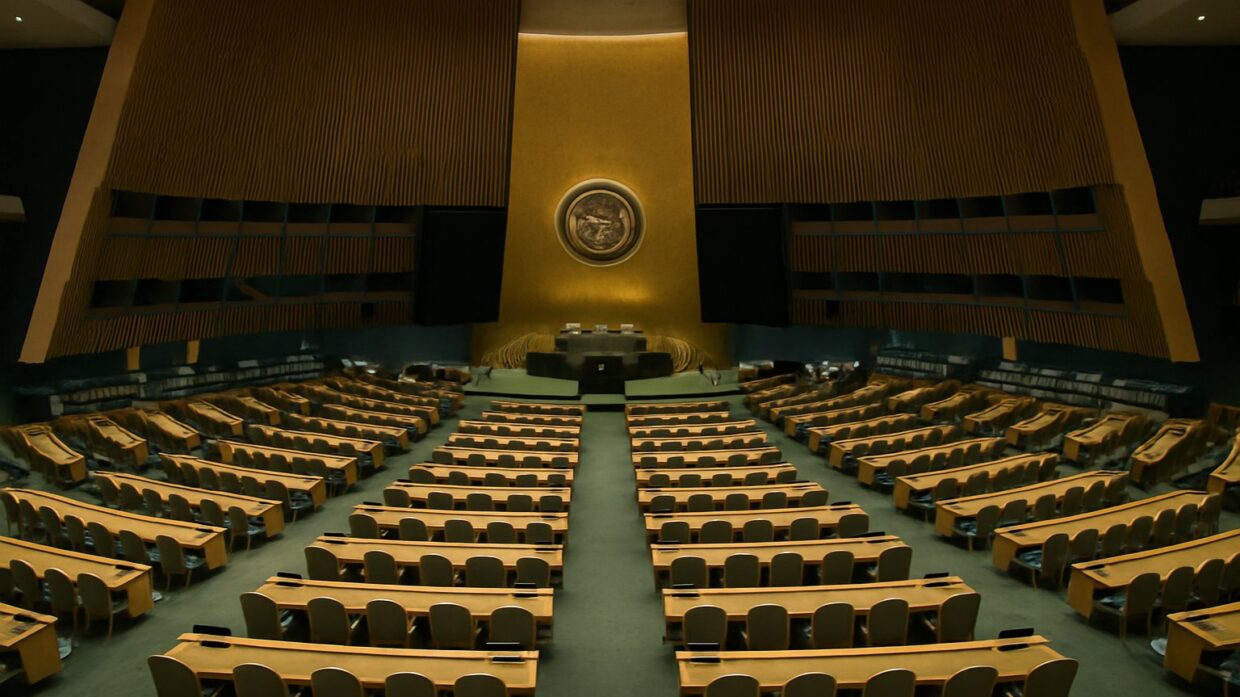
Photo: Well This Is News
Trump agrees to meet Zelensky as White House signals push for Russia-Ukraine settlement talks
Zelensky announces Trump meeting in New York amid continued U.S. support for Ukraine
Trump and Zelensky to meet at UN General Assembly as Ukraine war enters fifth year
Key Takeaways
- Neither Trump nor Zelensky has publicly disclosed what settlement terms they each find acceptable, leaving open whether the two leaders are actually aligned on what a negotiated agreement would require.
- The meeting has been announced primarily through Zelensky's framing rather than Trump's own public statement about his expectations, creating an asymmetry in what we know about each leader's actual negotiating position.
- Trump's history of skepticism toward extended military commitments and Zelensky's consistent opposition to territorial concessions create a structural tension that the meeting itself does not resolve.
The Analysis
Trump and Zelensky are meeting this week at the UN General Assembly, but what each side is emphasizing about the conversation reveals competing understandings of what comes next in U.S. support for Ukraine.
The documented facts are straightforward: Zelensky announced on Sunday that he had spoken with Trump by phone and that Trump agreed to meet him in New York during the UN General Assembly. The Axios reporting includes a specific detail the Washington Examiner summary omits: the White House is actively working to broker an agreement between Russia and Ukraine. Neither outlet provides the exact language Trump used when confirming the meeting, which matters for what it suggests about his frame for the conversation.
The left-leaning framing, represented by Axios, leads with the brokering detail and emphasizes timing: the meeting comes "as Russia-Ukraine attacks intensify." This language serves a narrative function: it suggests Trump is moving quickly toward settlement talks precisely when the conflict is escalating. The framing emphasizes "the White House works to broker an agreement," positioning active diplomacy as the administration's primary orientation. What this framing leaves out is any explanation of what Trump's or Zelensky's actual negotiating position might be, or whether there is alignment between them on what a settlement would require.
The right-leaning framing, from the Washington Examiner, leads instead with Zelensky's announcement and the history of strained relations between the two men. It emphasizes that "the U.S. has provided support valued at billions" and notes the relationship has been tense. This framing treats the meeting as a positive step toward renewed dialogue between leaders who have disagreed. What this frame underplays is the specific context Axios highlighted: the White House's stated goal of brokering a settlement, which implies a shift in U.S. strategy from indefinite military support toward negotiated resolution.
What neither side fully captures is the structural tension underlying this meeting. Zelensky has consistently opposed ceding territory to Russia and has demanded security guarantees as a condition of any talks. Trump during his first term withdrew from international agreements and questioned extended military commitments abroad. The public record does not establish whether Trump has communicated to Zelensky what settlement terms he would find acceptable, or whether those terms align with Ukraine's stated positions. The meeting itself is confirmed; the alignment is not.
Both outlets also leave underdeveloped the timeline question: why this week, why the UN General Assembly specifically, and whether this represents a shift in Trump's previous statements about Ukraine. The sourcing in both articles appears to come primarily from Zelensky's own announcement rather than from Trump's own framing of the meeting, which creates an asymmetry in what we actually know about each leader's expectations.
The real headline is simpler than either framing suggests: two leaders with a history of tension are meeting, and the White House appears to be signaling a shift toward settlement diplomacy. Whether that shift reflects mutual understanding or competing expectations remains unsettled.
Trump's shift toward settlement diplomacy marks a fundamental restructuring of U.S. military aid policy toward Ukraine. If this meeting produces an agreement framework that pressures Zelensky to negotiate territorial concessions without robust security guarantees, American weapons shipments and military advisory presence could contract sharply within months. The European Union lacks the industrial capacity to replace U.S. support at current volumes, forcing Ukraine into a weaker negotiating position with Russia. Conversely, if Trump and Zelensky leave New York in conflict over acceptable terms, Congress faces immediate pressure to resolve whether future aid packages require presidential approval for specific military objectives or whether Ukraine maintains discretion over how American resources are deployed. The meeting outcome determines whether the Biden administration's strategy of indefinite support survives the transition or becomes obsolete policy by January.