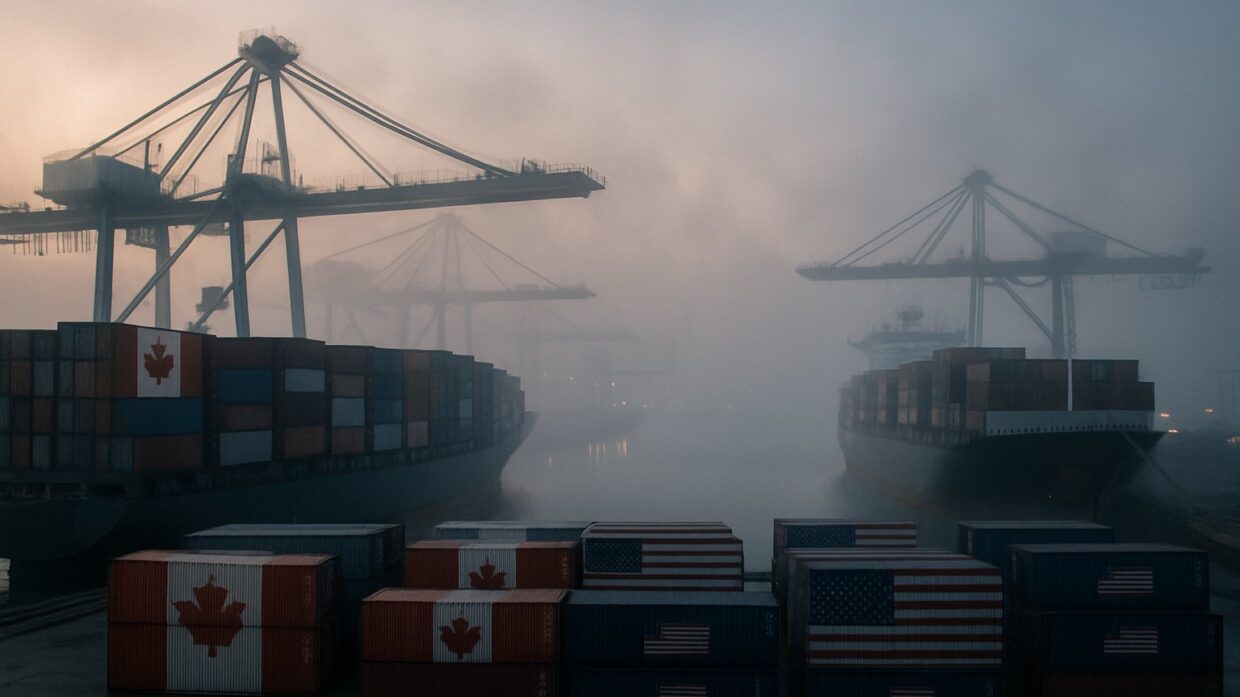
Photo: Well This Is News
Trump's trade war with Canada shows negotiation with US now impossible
Trump delivers on tariffs as Canada refuses fair trade terms
US-Canada trade talks collapse; tariffs take effect as both sides dig in
Key Takeaways
- Both Trump and Prime Minister Carney face domestic political pressure to appear resolute before upcoming elections, which makes face-saving compromise harder and leaves little room for resumed talks before midterms.
- The Trump administration chose to target low-strategic-value goods like hockey sticks and tongue depressors, raising the unanswered question of whether these tariffs are designed to inflict economic pain or to generate political talking points.
- The reporting has not established what specific concessions either side offered or what either government would accept as resolution, leaving unclear whether this is a structural shift in US trade policy or a tactical escalation within standard negotiation.
The Analysis
US-Canada trade talks have collapsed and tariffs are now in effect on a broad category of Canadian goods, but what the coverage obscures is the specificity of what's being taxed and the political calendars driving both sides' intransigence. The tariff targets are granular: hockey sticks, tongue depressors, and other products with minimal strategic value but maximum symbolic irritation. That choice of targets tells a story neither the left nor the right framing fully addresses.
The documented facts are these: Prime Minister Mark Carney characterized the new US tariffs as a miscalculation. The Guardian reports that Trump lashed out with the phrase "No more!!!" suggesting exasperation with the negotiations. Bloomberg sources indicate the Canadian government sees little chance of resumed talks before the US midterm elections, now weeks away. Stock futures registered little reaction, suggesting markets are pricing this as a political performance rather than an economic shock.
The left framing, concentrated in The Guardian's analysis pieces, emphasizes that the collapse proves Washington now prioritizes its own interests over negotiated outcomes. The language used is "negotiation may be futile" and the implicit argument is that Trump's approach is fundamentally nonnegotiable. This framing leaves out the specific Canadian positions that led to breakdown: the reporting does not establish whether Canada offered concessions on sectors the US identified as problematic, or whether the Canadian position remained fixed. The omission is significant because it allows the narrative to rest on Trump's irrationality rather than on what each side actually tabled.
The right framing, visible in the market reaction coverage, emphasizes Trump's follow-through on stated commitments and the premise that tariff leverage creates conditions for better terms. The implicit argument is that previous US administrations negotiated from weakness. This framing leaves out the economic consequence timing: tariffs take effect immediately before a US midterm election, which may indicate a political rather than economic rationale for the timing. If the goal were negotiated resolution, delaying implementation until after the election would typically create more room for concession. The framing does not address why that path was not chosen.
What neither side is fully capturing is the calendar pressure on both governments. Trump faces midterm elections weeks away; Carney faces a domestic political demand to appear resolute against US pressure. Both have electoral incentive to avoid appearing weak at the negotiating table, which narrows the space for face-saving compromise. The Guardian frame suggests Trump is irrational; the market frame suggests Trump is strategic. The more parsimonious interpretation is that both leaders are rational actors responding to domestic political pressure in a way that makes negotiation harder, not impossible.
The specific targeting of low-strategic-value goods like hockey sticks raises a separate question the reporting does not address: whether these tariffs are designed to inflict pain or to provide talking points. That ambiguity matters because it determines whether this is a prelude to negotiation or a political statement intended to last. Bloomberg's reporting that Canadian officials expect no talks before midterms suggests the latter, but the coverage does not establish what either side would accept as resolution.
The underlying question is whether this represents a structural shift in US trade policy or a tactical escalation within a standard negotiating pattern. The reporting does not yet establish which.
This tariff collapse matters because it establishes a new baseline for how US trade disputes resolve when domestic electoral timelines override negotiating incentives. Both governments now face proof that appearing weak before elections costs more politically than economic damage costs economically, which reshapes future negotiating behavior across every trade partner watching this outcome. Canada will recalibrate its negotiating posture knowing that US administrations will prioritize midterm positioning over deal-making, while other trading partners learn that waiting out an election cycle may be more productive than sitting at a table where both sides are performing for domestic audiences rather than problem-solving. The specific targeting of low-value goods signals that pain infliction matters less than narrative construction, meaning future disputes will be won through media framing rather than economic leverage, fundamentally changing how trade negotiations function between aligned nations.