Photo: Well This Is News
Democrats reset primary calendar to center Black voters, Latino voters, and unions in 2028 race
DNC approves 2028 primary schedule, officially ends Iowa's first-in-nation tradition
DNC finalizes 2028 primary calendar with South Carolina first, displacing Iowa and New Hampshire
Key Takeaways
- The DNC's decision to displace Iowa establishes that no primary position is permanent if party leadership votes to change it, creating a precedent that future calendar decisions could be rewritten to reflect new campaign dynamics or demographics.
- The documented record shows no transparent internal debate about alternatives to this calendar change, leaving unclear whether this reflects broad party consensus or emerged from concentrated decision-making power within the DNC.
- The practical effect of South Carolina voting first will amplify its voters' influence on candidate viability and spending patterns, but whether this calendar change actually shifts nominee policy positions on issues important to Black voters, Latino voters, and unions remains an open question.
The Analysis
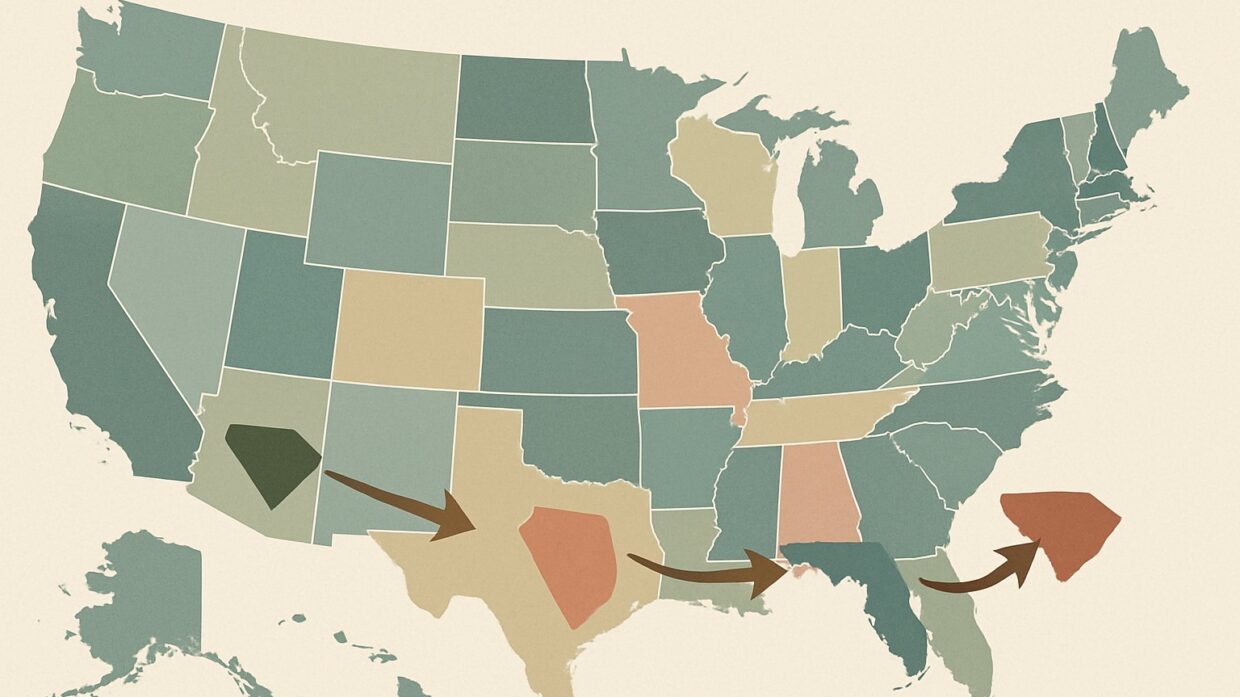
The Democratic National Committee has formally broken with 60 years of political tradition by removing Iowa from the first position in the 2028 primary calendar and installing South Carolina instead, effective January 22, 2028. This is not a minor scheduling adjustment. It is a deliberate structural decision about whose interests shape a presidential race from the opening moment.
The documented facts are these: South Carolina votes on January 22, 2028, followed by Nevada on February 1, New Hampshire on February 6, Georgia on February 13, Michigan on February 27, and Arizona on March 5. Iowa does not appear in the calendar at all. The DNC approved this schedule in January 2025. This decision directly follows Joe Biden's campaign win in South Carolina in 2020, where his victory among Black voters reset the Democratic race and ultimately secured his nomination.
The left-leaning framing emphasizes that this calendar change positions Black voters, Latino voters, and union members as primary gatekeepers. NBC News chose the phrase "pushes Black and Latino voters and labor to the front of the line for choosing the party's next national leader," a formulation that presents reordering as moral correction. This language suggests that previous calendars undervalued these constituencies and that South Carolina's move addresses an imbalance. Left outlets frame the decision as inclusive and representative. What this framing does not foreground is that the decision also reflects Biden campaign strategy and institutional power. South Carolina is first because Biden won there decisively in 2020, not because of a principle established before that fact.
The right-leaning framing emphasizes the removal of Iowa. The Washington Examiner reports that the DNC "once again prioritized South Carolina as the first-in-the-nation primary over Iowa and New Hampshire," a construction that treats the decision as a priority hierarchy. This language foregrounds disruption of tradition. What the right's coverage typically leaves out is what the new calendar actually does: it reorders power, not removes it. The decision does not eliminate early contests. It changes which early contests matter most.
What neither framing directly addresses is the precedent this sets. By moving Iowa out, the DNC has established that primary calendars can be rewritten to reflect demographic preferences and recent campaign wins. This was not always assumed to be true. Iowa's first position lasted from 1972 onward. That length suggested permanence. The 2028 calendar demonstrates that no position is permanent if party leadership votes to change it. The documented record does not establish detailed internal debate about this decision or what alternatives were considered. The availability of that information would clarify whether this reflects consensus within the party or whether it emerged from concentrated power. What is clear is that South Carolina's position depends on a decision made by committee vote, not on inherent electoral authority.
The institutional implication is measurable: candidates will now spend money and time in South Carolina first, which will amplify South Carolina voters' influence on which candidates remain viable. That effect propagates through the cycle. The unresolved question is whether this calendar change will produce nominees who behave differently on issues important to Black voters, Latino voters, and unions, or whether it primarily affects the order of campaign stops without shifting policy outcomes.
The DNC's decision to displace Iowa after 52 years establishes that primary calendars are rewritable instruments of party power rather than fixed structures. South Carolina's new first position directly channels candidate resources and early campaign momentum toward Black voters, Latino voters, and union members, giving these constituencies measurable influence over nominee viability from the opening contest. This matters because it demonstrates that primary power is not distributed by tradition but by institutional vote, meaning future DNC leadership could similarly reorder any state's position based on demographic calculations or recent electoral performance. The precedent extends beyond 2028: if South Carolina's position can be justified by Biden's 2020 victory there, subsequent primary calendars could be rewritten following any candidate's regional breakthrough, destabilizing the predictability campaigns have relied on for decades. The untested assumption underlying this change is whether front-loading Black voters and union members actually produces nominees more responsive to their policy priorities, or whether the calendar shift