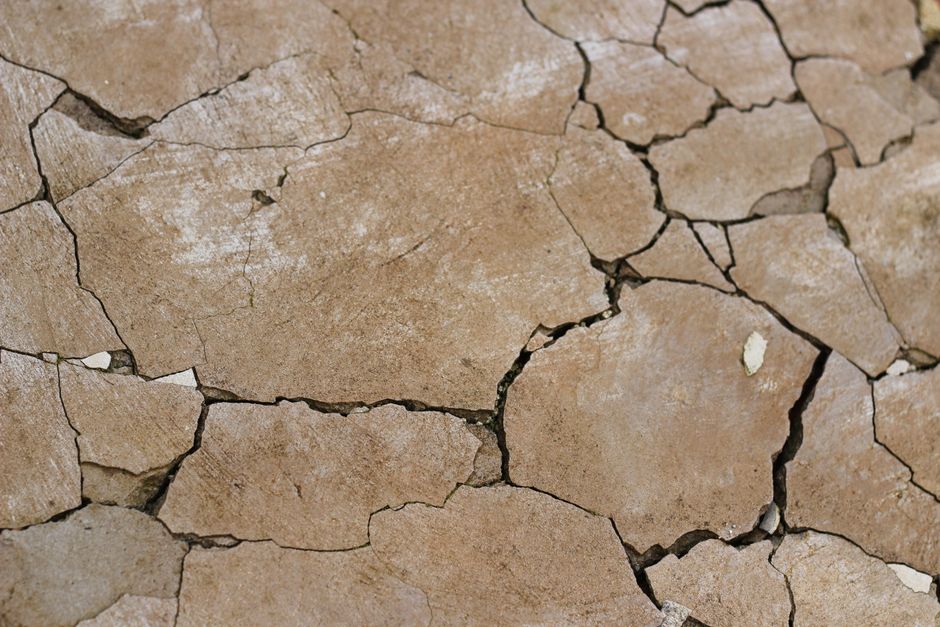
Photo: Yuri Elizegi
Extreme heatwave grips Europe as record temperatures break across continent
Hundreds dead as Europe breaks temperature records during devastating heat wave
Europe records historic heat as temperatures shatter records across France, UK, Spain
Key Takeaways
- Europe's second major heatwave in a single year reveals that the infrastructure designed for cooler climates is failing in real time, with modern homes in wealthy countries like the UK becoming health hazards because they were built to retain rather than shed heat.
- A person experiencing 44-degree temperatures in Madrid faces dramatically different survival odds than someone in London due to differences in building codes, air conditioning penetration, and healthcare capacity, meaning the same weather event has vastly unequal mortality impacts across wealthy nations.
- The pattern of drowning deaths alongside heat mortality suggests that desperation from extreme conditions is driving people into dangerous behaviors, indicating the crisis extends beyond heat itself to how populations respond when infrastructure fails.
The Analysis
Europe recorded historically significant temperatures in June 2026, with France reaching over 44 degrees Celsius, the UK and Spain breaking their own national records, and Spain's Health Ministry documenting 212 heat-related deaths. This was the continent's second major heatwave in a single year. The basic facts are clear; the disagreement lies in how each framing assigns meaning to them.
MSNBC's framing emphasizes the record-breaking aspect and uses the language of crisis without foregrounding the death toll prominently. The network's reporting focuses on the novelty of the temperatures, the spectacle of cities baking, and the breaking of records as the central story. This framing leaves largely unexamined the specific vulnerabilities that turned a weather event into a mass casualty event. The language "extreme heatwave grips" is event-focused rather than consequences-focused.
The Washington Examiner leads with mortality: "Hundreds dead." The deaths are not the consequence of the temperature records; they are co-equal with them in the headline. This framing assigns the heat event immediate human weight. By centering deaths first and temperature second, the Examiner's approach reframes the story from "nature is breaking records" to "people are dying in preventable ways." What this framing may underplay is whether the deaths reflect the severity of the heat alone or also reflect inadequate infrastructure, public health systems, or cooling access.
Inside Climate News and Bloomberg Green sources, while varying in emphasis, establish a middle ground: they report both the records and the deaths but add a layer the other framings largely omit. Bloomberg's coverage of modern homes in London struggling to cope with heat suggests a structural question neither left nor right framing fully addresses: Europe's building stock, particularly in wealthy nations, was not designed for sustained temperatures above 40 degrees Celsius. Modern homes with inadequate insulation designed to retain heat rather than shed it became hazards. The UK, in particular, has lower air conditioning penetration than comparable wealthy nations, meaning heat waves there pose mortality risks that would be manageable elsewhere.
What neither side's framing addresses directly is the pattern across time. This is the second major heat wave in Europe in a single year, not an isolated event. The documentation of approximately 40 deaths from drowning in water bodies suggests not just heat mortality but heat-driven behavioral desperation. The prior agreement among scientists that such events would become more frequent appears to be materializing faster than public infrastructure has adapted. Spain, France, and the UK have different cooling infrastructure, different building codes, and different healthcare capacities. A Madrid resident and a London resident experiencing the same temperature face radically different survival odds, a fact that neither the left's climate urgency framing nor the right's mortality accounting framing isolates.
The real headline is not that Europe broke temperature records or that hundreds died, though both are true. The real headline is that European infrastructure designed for a different climate is now being tested in conditions it was not built to handle, and that the gap between wealthy nations' technological capacity and their actual preparedness is widening. One region has the resources to address this; another does not. That structural inequality is what the record temperatures and the deaths actually signal.
Europe's infrastructure collapse under heat stress exposes a policy failure that will reshape building codes and public health spending across the continent for decades. The second major heatwave in one year and the 212 documented deaths in Spain alone reveal that wealthy nations have the technology to manage sustained temperatures above 40 degrees Celsius but deliberately chose not to deploy it. UK homes designed to trap heat became death traps; Spanish hospitals faced triage decisions because cooling systems were afterthoughts in healthcare planning. The pattern is not anomalous weather striking unprepared societies, but rather societies that knew better and spent capital elsewhere. Future European infrastructure spending will now be locked into climate adaptation retroactively rather than designed into new construction, multiplying costs. Regions without resources to retrofit buildings and hospitals face permanent competitive disadvantage in habitability and public health outcomes, making this a harbinger of climate-driven economic stratification that will persist for a generation.