Photo: Rostyslav
Powerful back-to-back earthquakes devastate Venezuela as officials warn of widespread damage and casualties
Major earthquakes shake Venezuela and Japan within hours, toppling structures across continents
Twin earthquakes strike Venezuela, collapse buildings in Caracas as state of emergency declared
Key Takeaways
- Venezuela sits on a seismically active plate boundary where 7.0+ magnitude earthquakes occur regularly, but neither left nor right sources explained whether this event was routine for the region or exceptionally severe.
- Conflicting magnitude readings of 7.1, 7.2, and 7.5 from different sources remained unexplained, leaving readers unable to assess which measurement was most accurate or why the discrepancies existed.
- Officials warned of casualties and widespread damage but specific death tolls and injury counts were not confirmed at the time of publication, meaning the humanitarian scope remained speculative rather than documented.
The Analysis
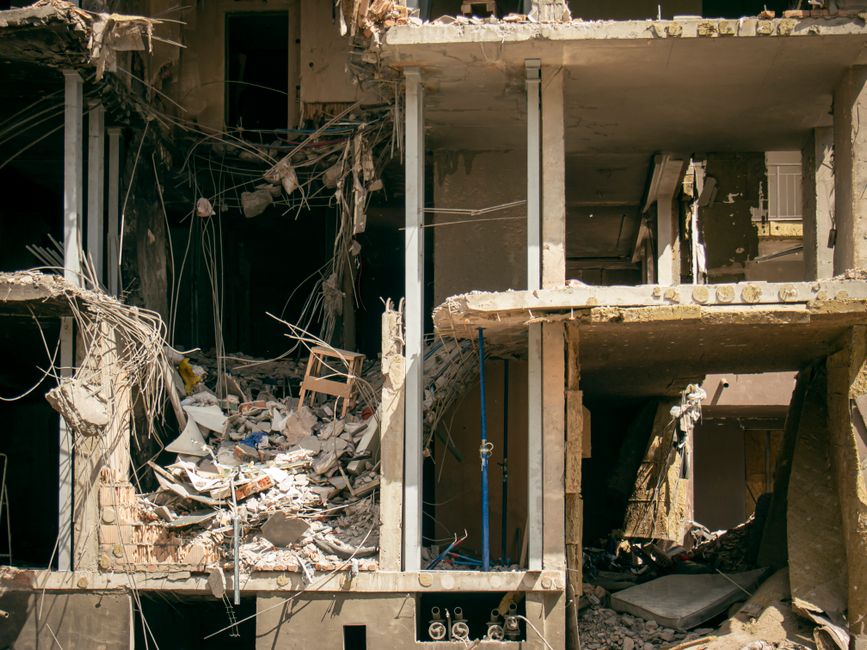
Two significant earthquakes struck Venezuela within hours, with magnitudes reported variously as 7.1, 7.2, and 7.5 depending on the source and measurement methodology. The U.S. Geological Survey recorded the events off the Caribbean coast near Morón. Structures collapsed in Caracas, the capital, and a state of emergency was declared. The specific death toll and extent of injuries remain unconfirmed in early reporting, though officials warned of casualties and widespread damage. Tremors were felt in neighboring Colombia and across the Caribbean region.
Left-leaning outlets including The Guardian and MSNBC framed the story with emphasis on human impact, using language like "devastating," "high casualties," and "widespread damage." The Guardian's headline specifically paired the geological event with the government's emergency declaration, treating them as equally significant elements of a single narrative. This framing prioritizes the humanitarian dimension and the governmental response as evidence of severity. The language choices,"residents running into the streets," "homes and buildings collapse",focus attention on immediate observable impact and fear. The reporting did not foreground infrastructure resilience, pre-positioned rescue resources, or prior seismic preparedness measures that might contextualize the vulnerability being described.
Right-leaning outlets including Breitbart and The Daily Wire reported the same factual events with less dramatic vocabulary. Breitbart's headline used "structures collapse" rather than emphasizing casualties or emergency declarations. The Daily Wire placed the Venezuela earthquake in a global context, pairing it with simultaneous seismic activity in Japan and emphasizing the continental scope of seismic events rather than focusing narrowly on Venezuelan impact. This framing distributes narrative weight across multiple geographical points and treats natural seismic activity as a recurring planetary phenomenon rather than as a singular crisis moment. Neither right-leaning outlet emphasized governmental emergency declarations or casualty warnings to the same degree as left-leaning sources.
What neither framing adequately addresses is Venezuela's specific seismic and geological vulnerability. The country sits along the Caribbean plate boundary and experiences regular seismic activity; 7.0+ magnitude earthquakes are not unprecedented for the region, though they remain serious events. Neither the left nor right framing provided historical context about prior earthquakes, building codes, or how this event compares to previous major seismic events in Venezuelan history. The sources also did not explain the magnitude discrepancies (7.1 vs 7.2 vs 7.5) or discuss why different measurement systems produce different readings. A reader relying solely on today's headlines would not understand whether this represents an unusual spike in seismic activity or falls within normal regional patterns. The reporting also does not establish whether the stated casualty warnings have materialized or remain speculative at the time of publication.
Venezuela's vulnerability to major earthquakes stems from its location along the Caribbean plate boundary, where 7.0+ magnitude events occur periodically rather than as historical anomalies. The collapsed structures in Caracas expose a critical infrastructure gap: the country's building codes and enforcement mechanisms have deteriorated under years of economic crisis, meaning structures that might withstand similar magnitude tremors in better-maintained regions fail catastrophically here. This earthquake will likely accelerate a documented pattern where Venezuela's seismic risk compounds with its inability to fund repairs, retrofit vulnerable buildings, or maintain emergency response systems. Future tremors of comparable magnitude will encounter the same compromised infrastructure unless international aid addresses both immediate rescue needs and longer-term structural resilience, making this disaster a recurring vulnerability rather than an isolated event.