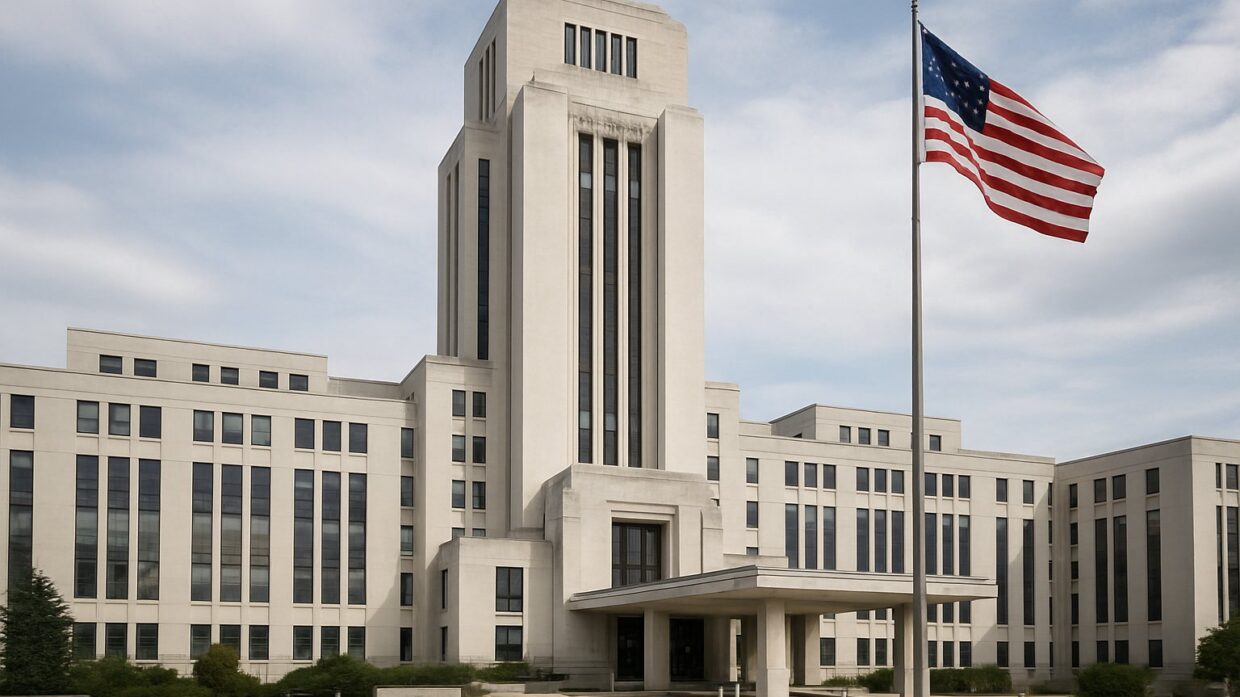
Photo: Well This Is News
Trump heads to Walter Reed amid mounting questions about oldest president's health
Trump undergoes routine annual physical at Walter Reed
Trump visits Walter Reed for annual physical, third checkup in last year
Key Takeaways
- Neither media frame establishes whether three Walter Reed visits in twelve months is statistically typical for a sitting president or represents elevated medical monitoring.
- The White House has not released detailed medical findings, doctor's letters, or health comparisons to prior administrations, leaving the public unable to determine whether the visit frequency reflects routine care or heightened concern.
- Prior presidents' Walter Reed visit patterns are absent from the reporting, making it impossible to assess whether Trump's schedule is unusual or simply standard practice that previous administrations handled with less public controversy.
The Analysis
Trump's third Walter Reed visit in roughly twelve months is being reported as routine by the White House, but the framing diverges sharply on what that routine actually signals about the health of the oldest president ever inaugurated.
The documented facts are straightforward. Trump visited Walter Reed on Tuesday for what the White House described as a routine annual physical and dental checkup. The appointment appeared on his public schedule in advance. The White House statement, quoted in multiple outlets, characterized this as part of the president's "regular preventative health care." Trump also greeted service members during the visit, according to reporting from The Hill. The frequency is verifiable: this marks his third Walter Reed appointment in approximately one year, according to NBC News and the Washington Examiner.
The left-leaning frame, evident in NBC's headline emphasizing "the third checkup of his second term" and NPR's framing around "questions looming over the medical reality of the oldest inaugurated president," treats the frequency itself as newsworthy. The NPR piece specifically highlights that this visit occurs "7 months after last visit," making the interval part of the story. The implicit argument is that three visits in twelve months warrants explanation,either the president faces undisclosed health challenges, or the frequency itself is unusual enough to merit scrutiny. This framing does not contest the routine label; it questions what routine actually means at this age and in this political context.
The right-leaning frame, represented by the Washington Examiner and The Hill, treats the visit as administrative fact. Both outlets use the word "annual" to normalize the visit within standard presidential protocol. The Examiner's language, "marking his third visit in the last year," acknowledges the frequency but situates it within the checkup schedule without editorial suggestion that the frequency is abnormal. There is no framing of what questions might loom. The emphasis falls on transparency: the appointment was public, scheduled in advance, and conducted at a military medical facility.
What neither side fully engages with is the baseline question: how often do sitting presidents typically visit military medical centers for checkups? The reporting does not establish whether three visits in twelve months is statistically unusual, standard for a president of Trump's age, or reflects a specific health concern that would normally be disclosed. The White House statement emphasizes "excellent health," but does not provide medical detail,no doctor's letter, no specific findings, no comparison to presidential health disclosures in prior administrations. The available reporting does not establish whether this represents heightened medical monitoring or routine preventative care.
The left frame leaves out that routine annual physicals are standard for any president and occur on a published schedule. The right frame leaves out that the NPR and NBC reporting appears to treat the frequency as noteworthy enough to lead the story, suggesting some editors see it as potentially significant to readers. Neither frame directly addresses what prior presidents' Walter Reed visit frequency looked like or what medical criteria would trigger a change in monitoring.
The underlying tension is simple: the White House offers one frame (routine), critics offer another (suspicious frequency), and the public record does not yet disclose enough medical information to determine which frame is more grounded in health reality versus political communication strategy.
Presidential health transparency has real institutional consequences. Each time a president declines to release detailed medical records or doctor's letters, the precedent weakens further. Trump's three Walter Reed visits without accompanying clinical documentation means the next president can cite this pattern to justify withholding their own medical findings. The medical establishment loses leverage to demand full disclosure when a sitting president normalizes selective transparency. When voters cannot distinguish between routine preventative care and undisclosed monitoring for a specific condition, the presidency accumulates less accountability rather than more. The practical result: future administrations will face lower expectations for releasing the detailed health records that historically allowed voters to make informed decisions about presidential fitness.