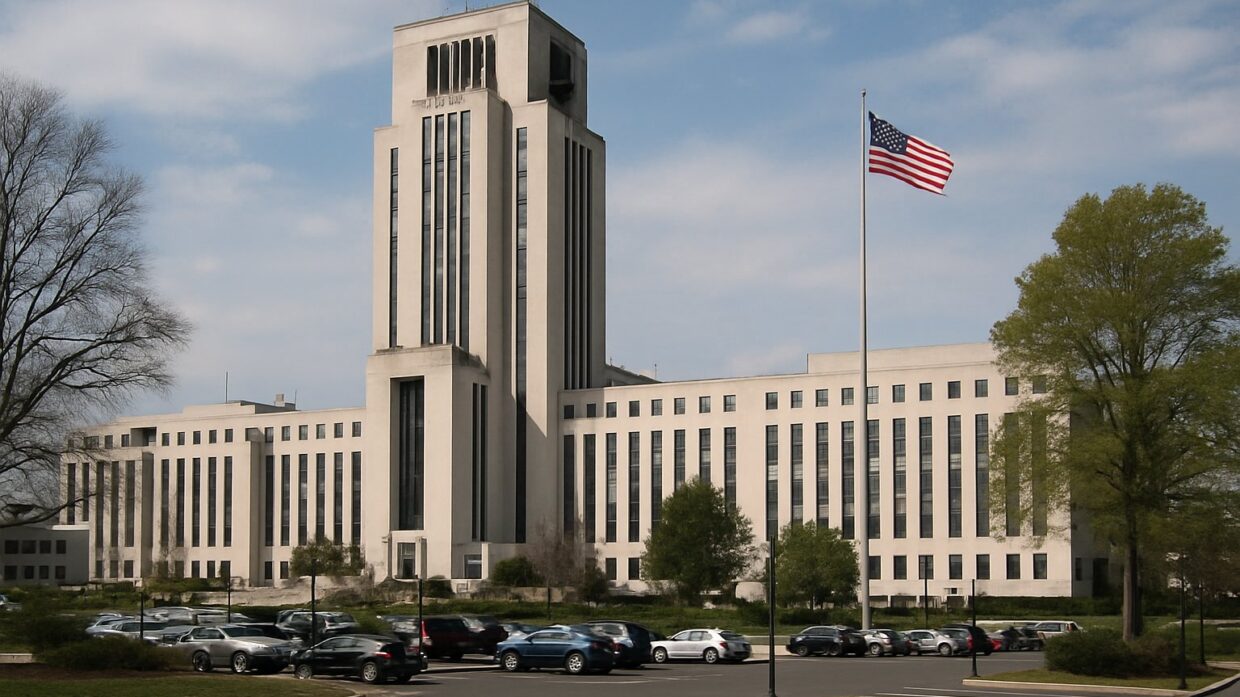
Photo: Well This Is News
Trump's third Walter Reed visit in 13 months results in clean bill of health
Trump fully fit for presidential duties after annual physical shows excellent health
Trump declared in excellent health after Walter Reed physical; cognitive test included
Key Takeaways
- The public record does not explain why Trump required three in-person physicals over 13 months or whether that schedule reflects standard presidential medical protocol, leaving the clinical rationale for the visit frequency undisclosed.
- Neither the White House nor major news outlets have released the specific results from the cardiac testing or cognitive assessment, making it impossible to verify whether the memo's conclusions are supported by detailed clinical data.
- One outlet reported minor swelling and bruising findings that were consistent with the excellent health determination, but the reporting does not clarify whether such minor findings are routine or noteworthy or how they compare to previous physicals.
The Analysis
The White House physician declared President Trump in excellent health after a Tuesday physical at Walter Reed National Military Medical Center, releasing the assessment in a memo Friday. The core facts are straightforward: cardiac testing occurred, a cognitive test was administered, and no major health concerns were identified. Both the official memo and all coverage confirm these baseline details. What differs sharply is not the facts but what each outlet emphasizes and what it leaves unexamined.
NBC News led with the frequency of Trump's medical visits, noting this was his third in-person checkup in 13 months. That framing invites an implicit question: why so many evaluations? The outlet chose those words deliberately. By naming the number and timespan, NBC suggests an unusual pattern without stating one directly. The left-leaning framing assumes readers will find the frequency itself noteworthy or concerning. Fox News did not use that language. It opened instead with the conclusion, the fitness determination, and the absence of major concerns. The outlet framed the story as reassurance, not as a pattern to examine.
Investing.com introduced a detail neither major outlet foregrounded: Trump had minor swelling and bruising. That language appeared in the headline. It is technically consistent with excellent health, minor findings are routine in physicals, and the assessment itself remained unchanged. But that outlet's choice to name the swelling and bruising in the headline serves a different framing function than either NBC's frequency argument or Fox's fitness affirmation. It suggests incompleteness in the clean bill of health narrative.
What neither side fully addresses is what the memo itself disclosed or did not disclose. The available reporting does not establish whether the physician's memo included specific test results, baseline comparisons to prior physicals, or details about the cognitive test methodology and scoring. One plausible interpretation is that if detailed results were available, both outlets would have reported them. The public record does not explain why a cognitive assessment was included in this particular physical or whether that is routine protocol. The reporting also does not establish why three visits in 13 months was deemed medically necessary or whether that schedule reflects standard practice for presidential physicals.
The left frame emphasizes frequency and invites readers to question whether the number of visits suggests underlying health management that the clean bill of health omits. The right frame emphasizes the favorable conclusion and treats the physical as routine reassurance. What neither captures is the specific clinical justification for the visit schedule, the detailed results from any testing, or how this president's health outcomes compare to baseline or to predecessors.
The real headline is narrower than either framing suggests: a presidential physician issued a standard fitness memo after a routine physical, and what remains publicly unknown is whether the frequency of evaluations, the details of the assessments, or the specific test results indicate anything beyond what the memo states.
Presidential health assessments carry institutional weight beyond individual fitness declarations. When the White House physician's memo lacks transparency about test methodology, baseline comparisons, or the clinical reasoning behind accelerated evaluation schedules, it erodes the public's ability to assess presidential capacity independently. Future administrations will cite this precedent when deciding what health information requires disclosure. The absence of detailed cognitive test results and explanation for three evaluations in 13 months creates a template where selective disclosure becomes normalized. Congress and the press have documented authority to demand specifics; if neither pursues them, the standard for presidential medical transparency ratchets downward permanently. Voters lose access to information that genuinely distinguishes candidates' fitness for office.