Photo: Well This Is News
Peace breakthrough endangered: Israel escalates Lebanon strikes even as US-Iran deal takes shape
Trump maintains pressure: constructive Iran talks underway while US blockade remains in force
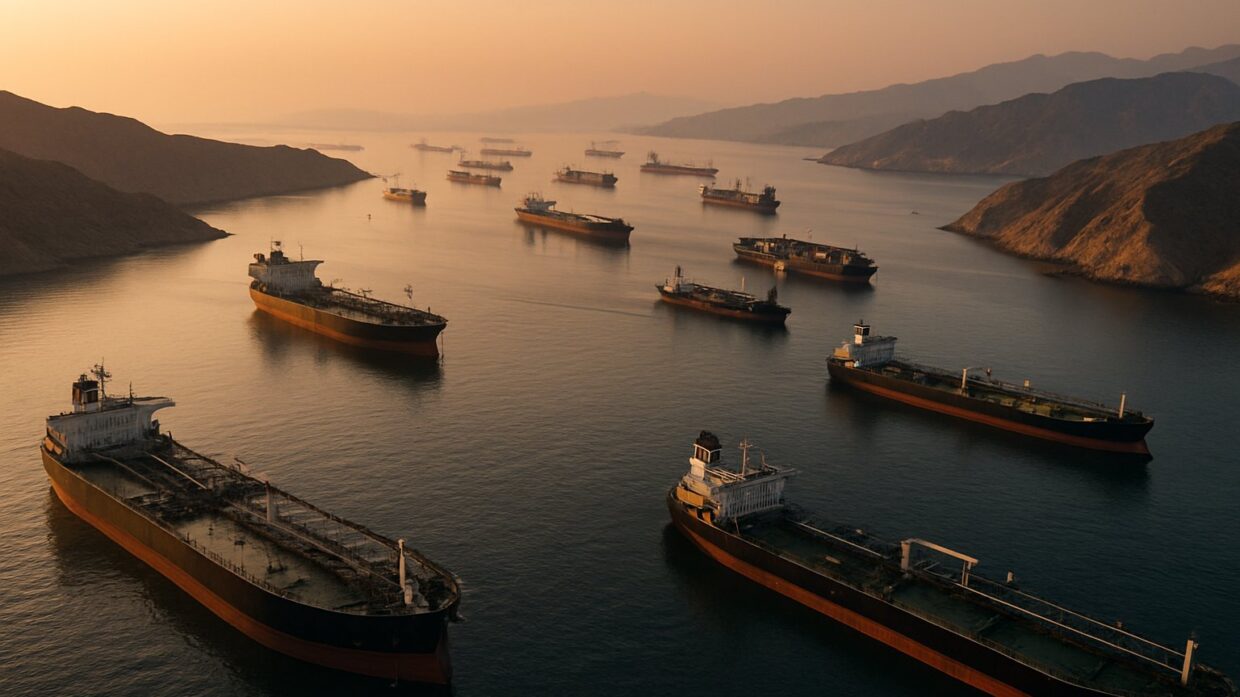
Trump signals Iran deal near; oil prices fall as Strait of Hormuz reopening proposed
Key Takeaways
- The current framework remains unsigned with multiple contingencies unresolved: Iran claims the US is blocking key clauses, White House expects approval could take several days, and oil markets are already pricing in a deal that doesn't officially exist.
- Neither the US nor Iran has publicly identified what nuclear verification mechanisms would apply or whether sanctions relief would be staged and conditional, leaving the actual structure of any agreement completely undefined despite framework announcements.
- Israeli military operations continuing during US-Iran talks either occur outside any agreed ceasefire parameters or show that direct US-Iran negotiations don't constrain Israeli actions, meaning the deal addresses only bilateral hostilities while leaving broader regional conflict unresolved.
The Analysis
The reported framework for a US-Iran agreement includes three specific elements: a 60-day truce, reopening of the Strait of Hormuz, and resumption of negotiations over Iran's nuclear program. Trump stated the deal would be "good and proper." The White House indicated approval from Iran's Supreme Leader Mojtaba Khamenei could require several days. Oil futures dropped approximately five dollars per barrel in first trading since framework emerged. Iranian state media claimed the US government was obstructing "some clauses" in the agreement. Israeli military continued strikes on Lebanon despite the diplomatic window opening.
The left frame emphasizes the contradiction between emerging peace talks and Israel's military escalation. Guardian reporting foregrounds the timeline conflict: Israeli strikes on Sunday occurred even as news of US-Iran progress dominated headlines. This framing treats the two developments as directly incompatible events, with military action undercutting diplomatic momentum. The coverage does not examine whether Israel's strikes reflect a separate strategic calculation, whether coordination occurred with the US administration, or whether Lebanon operations fall within parameters that both US and Iran negotiators anticipated. The emphasis shifts attention away from the question of whether ceasefire talks included provisions addressing Israeli-Lebanese dynamics or whether those are considered separate conflicts.
The right frame emphasizes Trump's maintenance of pressure while signaling constructive engagement. The Daily Wire headline specifies that Trump maintains blockade "until final deal," framing this as disciplined negotiating leverage rather than obstruction. This reading treats continued economic pressure as compatible with diplomatic progress and suggests previous administrations' errors lay in lifting pressure before securing durable agreements. The right frame does not foreground what specifically the US is requiring Iran to concede, what verification mechanisms are being negotiated, or whether the blockade's continuation risks collapsing talks by signaling bad faith to Iranian negotiators.
Neither frame addresses directly what the historical record shows about US-Iran nuclear agreements. The Joint Comprehensive Plan of Action, negotiated in 2015 and abandoned by Trump in 2018, included international verification through the International Atomic Energy Agency and phased sanctions relief tied to compliance milestones. The current framework described here proposes nuclear program negotiations without yet identifying what verification mechanisms would apply or whether sanctions relief would be conditional and staged. Neither reporting establishes whether the current talks attempt to revive JCPOA-style architecture or propose an alternative structure. Neither addresses why a 60-day truce would be sufficient for nuclear negotiations that required years in 2015, or whether the compressed timeline reflects realistic technical possibility or political messaging.
The omitted context matters: Israeli military operations in Lebanon suggest either that Israel operates outside any agreed de-escalation parameters or that US-Iran negotiations do not presume to constrain Israeli military decisions. That distinction changes the meaning of any agreement. If renewed fighting between Israel and Hezbollah can coexist with US-Iran ceasefire talks, then the deal addresses only direct US-Iran hostilities, leaving the broader regional conflict intact. If Israeli operations contradict diplomatic understanding with the US, then fundamental alignment among negotiating parties remains unclear. The available reporting does not establish which is true.
What makes this significant is the gap between framework announcement and actual agreement: the White House's statement that approval could take several days, combined with Iranian claims about disputed clauses, indicates the deal remains contingent and unstable. The market response, oil prices dropping on emerging reports, demonstrates that financial actors are already pricing in the agreement. That creates pressure on both sides to announce completion even if negotiations remain incomplete.
A nuclear agreement framework announced but not finalized creates immediate market pressure that can trap negotiators into accepting incomplete terms. Oil markets dropped five dollars per barrel based on reports of potential reopening of the Strait of Hormuz, forcing both the US and Iran to deliver a finished deal within days to prevent price rebounds that would trigger economic and political blowback. The 2015 JCPOA required years of technical negotiations over verification mechanisms and sanctions relief schedules, yet this compressed timeline proposes nuclear talks conclude in weeks. If markets have already priced in agreement success, negotiators face mounting incentive to announce closure regardless of whether verification details match the 2015 standard or Iranian compliance mechanisms remain substantively unclear. The institutional consequence is that financial markets, rather than diplomatic calendars, will dictate the pace and completeness of nuclear safeguards.