Photo: Well This Is News
Vance Struggles With Trump Playbook While Attacking Press Freedom
Vance Calls Out Media Double Standard on White House Access
Vance Restricts Media Access; Cites Hypocrisy in Outlet Complaints
Key Takeaways
- The White House has not disclosed what newsgathering mechanisms restricted outlets retain, including whether they can still file FOIA requests, attend public briefings, or access information through other agencies.
- Neither side has established whether previous administrations restricted daily briefing access to ideological opponents, meaning the debate conflates novel policy with justified symmetry without evidence.
- The real significance is the precedent being set: once briefing room credentials become a tool for ideological management by one administration, future administrations will escalate the practice without institutional restraint.
The Analysis
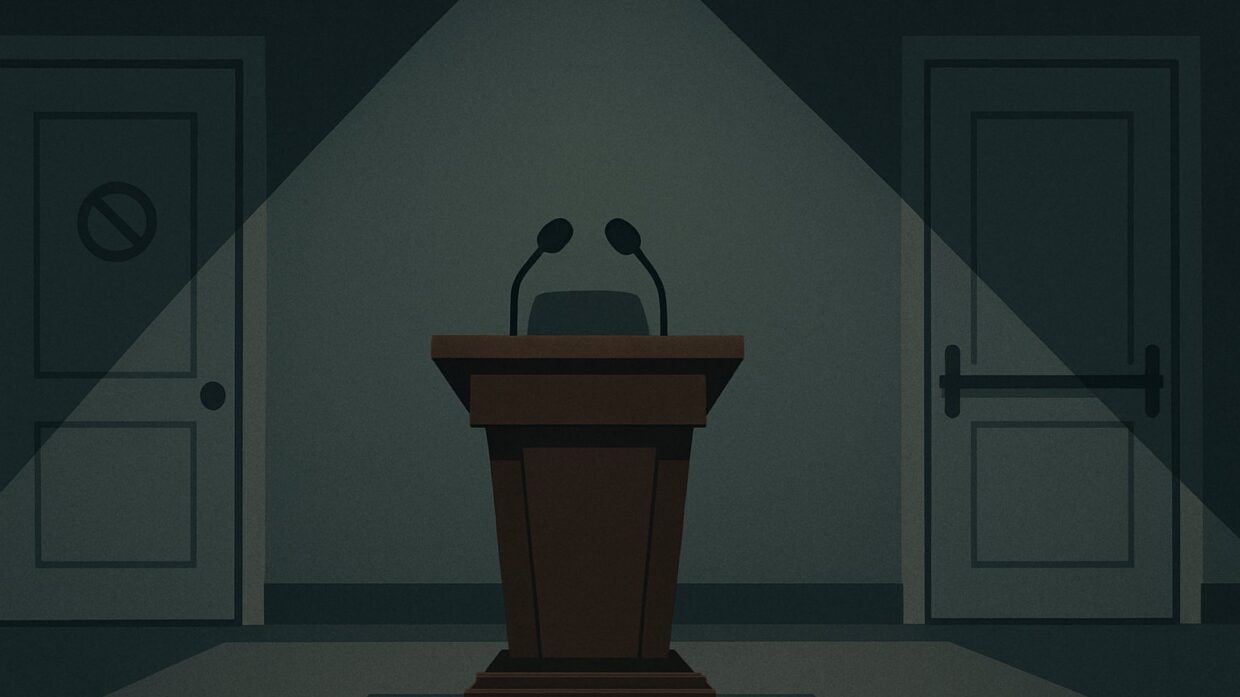
Vice President JD Vance announced the restriction of routine White House briefing access for CNN, MSNBC, and Politico, then defended the move by arguing that major outlets would never have granted similar privileges to conservative media under Democratic administrations. The distinction Vance made between denying 'special access' and imposing a press ban reveals the core dispute: whether guaranteed daily briefing room seats constitute a press freedom issue or merely a credential management decision.
What actually happened is straightforward on the record. Vance stated, according to PBS NewsHour coverage, that these outlets 'lost their special access' but 'are not banned.' He did not clarify whether outlets retain other newsgathering mechanisms, file FOIA requests, or attend public events. The Breitbart account quotes Vance characterizing establishment media complaints as demands for 'special access that Democrats wouldn't give to Breitbart,' framing the move as correcting asymmetrical treatment rather than restricting the press.
The left's framing, represented by HuffPost, emphasizes that Vance is attempting to replicate Trump's media attack strategy but executing it poorly. The specific language used is significant: the HuffPost headline claims Vance is 'not very good at it,' suggesting incompetence rather than principle. This framing leaves out the substantive question of whether the access restriction itself violates press norms, instead focusing on Vance's rhetorical skill. That omission is politically convenient because it avoids engaging the hypocrisy argument directly.
The right's framing, represented by Breitbart, emphasizes Vance's accusation of institutional double standards. The outlet quotes him calling the media 'entitled' and highlighting that Democratic administrations denied access to conservative outlets. This framing leaves out whether prior administrations actually did restrict access to ideological opponents or whether the comparison is apples-to-apples. That omission matters because it allows the access restriction to be reframed as symmetrical justice rather than examined on its own terms.
What neither side fully engages is the operational question: what specific newsgathering mechanisms these outlets retain. The public record does not establish whether restricted outlets can still file open records requests, attend public briefings, interview administration officials away from the White House, or access information through other government agencies. Without that clarity, the debate remains abstract.
A second unaddressed question involves precedent. The public record does not establish whether previous administrations restricted daily briefing access to specific outlets or whether this practice is novel. If Trump did restrict briefing room access in his first term, the comparison becomes about continuity rather than new policy. If this is unprecedented, it becomes about escalation.
The most honest version of this headline accounts for both the policy itself and the rhetorical choice: White House restricts routine media access, citing double standards while leaving core press freedoms in place. The real significance is not Vance's rhetorical skill but what remains unstated: whether denying briefing room credentials, regardless of the justification offered, establishes a precedent that future administrations will exploit without hesitation.
Vance's move establishes that daily briefing room access is now conditional rather than guaranteed, meaning future administrations can exclude outlets based on ideological preference without legal recourse, since no statute explicitly protects press credentials. Once normalized, this selective exclusion will compound across administrations, with each one justified through accusations of prior hypocrisy, until the presidential briefing room becomes a curated audience rather than a venue where journalists can independently observe and question power. The damage is institutional, not rhetorical: the nightly briefing transforms from a constraint on executive messaging into a platform the administration controls entirely.