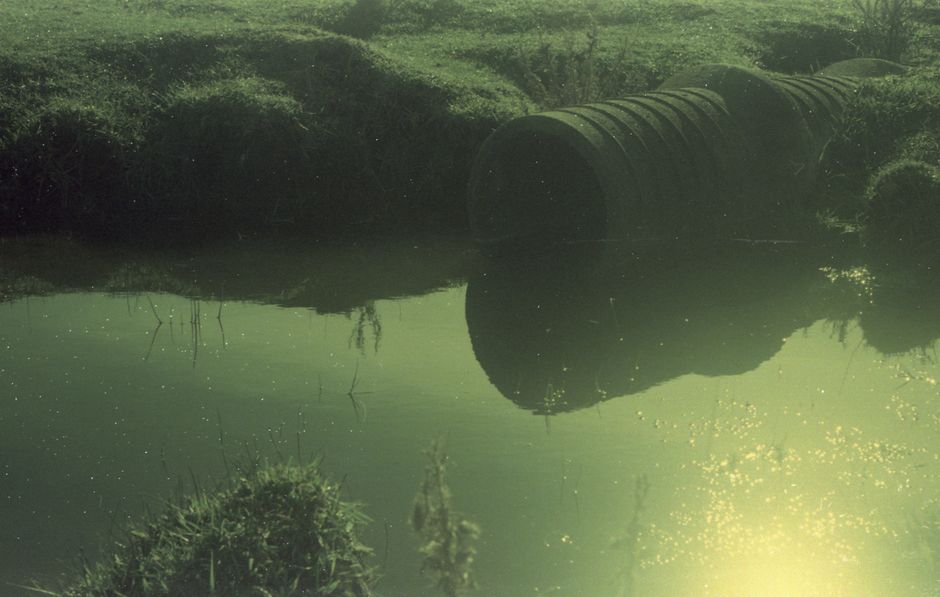
Photo: Santiago Balbuena
Sewage in the sea has become routine: analysis exposes Britain's worst polluters
Water companies blame aging infrastructure as combined sewer system operates by design during storms
UK water companies discharge sewage during heavy rain; Friends of the Earth analysis ranks operators by volume
Key Takeaways
- The reporting quantifies which water company discharged most total sewage but never establishes whether South West Water's swimmers experience spills more frequently than swimmers elsewhere, or whether the same problem is simply more visible in this region.
- Neither side explains whether South West Water's high discharge ranking reflects heavier regional rainfall, older pipes than competitors, deliberate underinvestment, or a combination of factors that would point to different solutions.
- The critical unanswered question is whether current infrastructure investment timelines and regulatory approval processes would reduce spills to acceptable levels, which would distinguish between systemic constraints and corporate failure to act.
The Analysis
Brighton swimmers now treat sewage warnings the way they once checked weather forecasts, according to reporting from The Guardian, and Friends of the Earth's analysis identifies South West Water as the operator responsible for the highest discharge volumes in England during the measured period. The underlying tension is not whether sewage enters the sea during rain, but whether the frequency and volume reflects either system design operating as intended or corporate underinvestment now creating public health consequences.
The documented facts: South West Water discharged more sewage than any other English water company, with Friends of the Earth calculating the greatest volumes in Devon, Cornwall, Dorset and Somerset. The Guardian quotes swimmers describing sewage checks as routine. Neither source provides the specific rainfall threshold that triggers spills or the proportion of spills that occur during rainfall events versus dry-weather overflows caused by system capacity failures.
The left frame emphasizes corporate negligence and systematic failure. The Guardian's language centers on swimmers' experience ("vent fury", "as normal as checking the weather") and names South West Water as having the "worst environmental record", positioning this as a matter of corporate choice rather than infrastructure constraint. This framing leaves out what the combined sewer system actually is: a Victorian-era design that intentionally discharges during rainfall to prevent basement flooding in homes connected to those pipes. The emphasis on frequency and swimmers' frustration obscures the design decision that makes some discharge inevitable during storms.
The right frame, available only implicitly in the water companies' position, emphasizes operational necessity within aging infrastructure. The combined sewer system was built to handle normal rainfall; spills during heavy rain are a feature of the design, not a bug that operators can easily fix. This framing leaves out that investment in separating stormwater from sewage pipes, or in storage capacity, has been delayed for decades while water company executives received bonuses. It also leaves out that other water companies (as named in the analysis) discharge less sewage, suggesting that operational choices differ between companies managing the same system design.
What neither side fully captures is the distinction between volume of discharge and frequency of discharge. A water company might have high total volume but infrequent spills if rainfall events are severe and concentrated. Another might have lower total volume but more frequent spills if the system lacks capacity for normal rain. The reporting does not establish whether South West Water's ranking reflects heavier rainfall in its region, older infrastructure than competitors, lower capital investment, or some combination. The Guardian quotes the swimmers' experience (which is about frequency and normalcy), but does not establish whether swimmers in South West Water's region report spills more often than swimmers served by other operators, or whether the same frequency is experienced everywhere and simply more visible here.
The real question the reporting leaves unresolved is whether the government's investment framework and regulatory structure have allowed water companies to defer infrastructure spending indefinitely. Friends of the Earth's analysis quantifies which company discharged most, but does not establish what infrastructure upgrades each company has committed to or whether current investment timelines would reduce spills to acceptable levels. Without that information, the reader cannot distinguish between a company choosing not to invest and a company constrained by realistic capital limits and regulatory approval timelines.
South West Water's ranking as the highest discharger creates regulatory pressure that will determine investment timelines across the entire sector. Ofwat, the water regulator, uses comparative performance data to justify penalty mechanisms and influence pricing decisions that determine how much each company can spend on infrastructure upgrades. When Friends of the Earth publicly ranks operators by discharge volume, it signals to regulators and investors which companies face political risk, forcing them to commit capital to separation projects that they might otherwise have delayed. The Brighton swimmers' normalized experience of sewage warnings may finally produce the consequence water companies have long avoided: mandatory spending targets enforced through bond markets and franchise penalties rather than voluntary commitments. That shift from optional to mandatory infrastructure investment represents the actual infrastructure change these companies will now face.