Photo: Laura
Midair jet collision forces lockdown at Idaho Air Force base air show
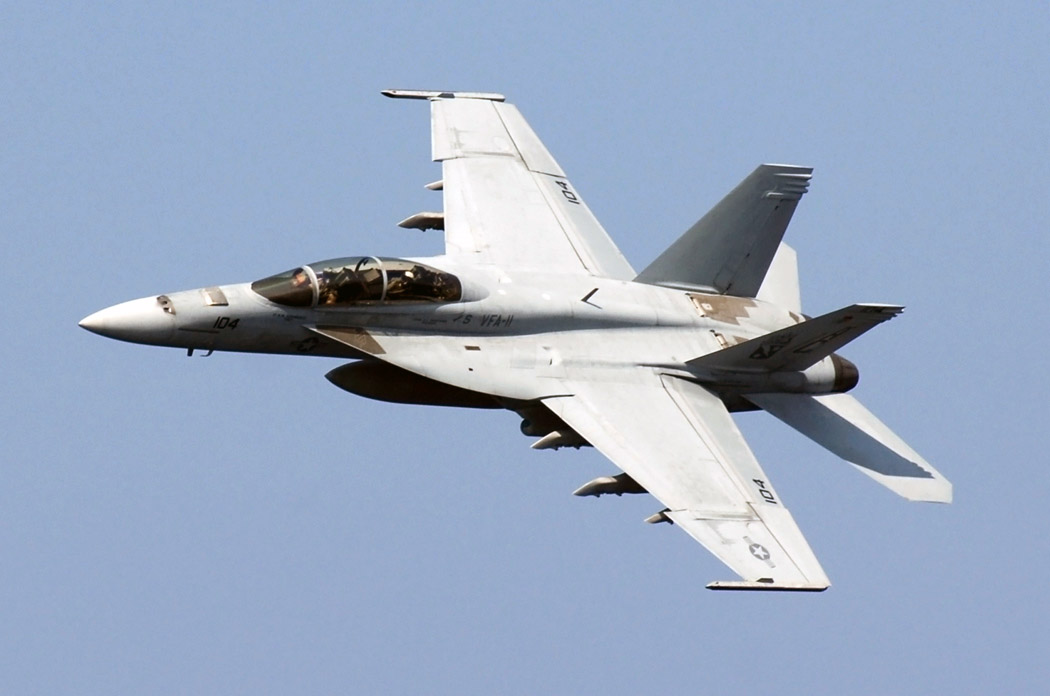
Two F-18s collide at Idaho air show; all four crewmembers safe after ejecting
Two F/A-18s collide at Idaho air show; all four pilots safely eject
Key Takeaways
- Neither media perspective examined what actually caused the collision, whether it resulted from pilot error, mechanical failure, visibility issues, or procedural breakdown.
- Air show safety protocols at Mountain Home Air Force Base and across the military remain unexplained, including whether demonstrations are reviewed by safety boards before incidents occur or only after problems happen.
- The public attended an event involving close-formation flying of combat aircraft capable of high-speed maneuvers, yet neither side addressed whether this activity carries inherent risks that require systematic evaluation separate from how well pilots performed.
The Analysis
Two F/A-18 Super Hornets collided in midair during an air show at Mountain Home Air Force Base in Idaho on Sunday, but all four pilots ejected safely, yet the headlines you read told you very different stories about what mattered most about the same event.
The verified facts: Two Navy F/A-18 fighter jets collided during the Gunfighter Skies Air Show at Mountain Home Air Force Base near Mountain Home, Idaho on Sunday. Video footage showed four parachutes deploying. All four pilots ejected and were recovered safely. The Navy immediately suspended the air show and locked down the base while launching an investigation into the cause of the collision. The incident involved deployed military personnel conducting demonstration flights.
NBC News and MSNBC led with the word "lockdown" and emphasized the "abrupt" cancellation of the air show itself. The framing prioritized disruption and safety fears, using language that suggests crisis management and public alarm. By opening with "lockdown" rather than "all pilots safe," the left-leaning coverage imprinted urgency and institutional failure first, facts second. The omission: any mention of pilot competency, ejection system performance, or the reality that the safety systems worked exactly as designed. This framing is politically convenient because it allows readers to worry about military readiness without examining whether the military actually responded correctly.
The Washington Examiner led with the pilot outcome, not the disruption. "All four crewmembers safe after ejecting" was the headline's core claim. The right-leaning coverage emphasized the success of the ejection systems and pilot training while minimizing the incident's disruptive effect. By naming the specific aircraft (F-18) and the specific outcome (safe), the framing signals competence and American military capability. The omission: any serious analysis of what caused the collision or whether routine air show demonstrations carry unexamined risks. This framing is politically convenient because it allows readers to feel reassured about military capability without asking hard questions about whether the incident reveals structural problems.
Neither side named the critical omission: Mountain Home Air Force Base's specific safety record for air show demonstrations, prior incidents at this base or others, or the actual protocols that govern midair demonstration flights. Neither side explained whether this was pilot error, mechanical failure, visibility problems during formation flying, or procedural failure. Neither side named whether air show demonstrations are reviewed by safety boards before incidents or only after. Neither side acknowledged that the F/A-18 Super Hornet has been in service since 1983 and has a long history of both accident and recovery.
The real story is not whether this was a disaster or a success story. It is that two combat aircraft operated in close formation at an air show attended by the public, and they collided. The fact that the pilots survived proves the ejection systems work. It does not prove that the decision to conduct formation flying demonstrations in front of crowds is risk-free or that the incident requires no systemic examination. The honest headline: "Navy pilots safely eject after collision during public air show demonstration; incident prompts investigation into operational procedures."
Mountain Home Air Force Base will face mandatory safety protocol reviews across all future demonstration flights, forcing the Navy to document whether current pre-show inspection procedures adequately account for formation flying risks. This collision creates a documented incident that establishes precedent for tightened restrictions on midair demonstration maneuvers conducted near spectators. The base's air show operations, previously conducted under legacy safety frameworks unchanged since the 1990s, now enter a formal investigation that will either validate existing procedures or mandate equipment upgrades and pilot certification changes. These institutional requirements filter down through every military air show scheduled nationwide. Whatever the investigation concludes about causation, the incident's existence in the record ensures that future demonstrations operate under demonstrably higher scrutiny than those conducted before Sunday.