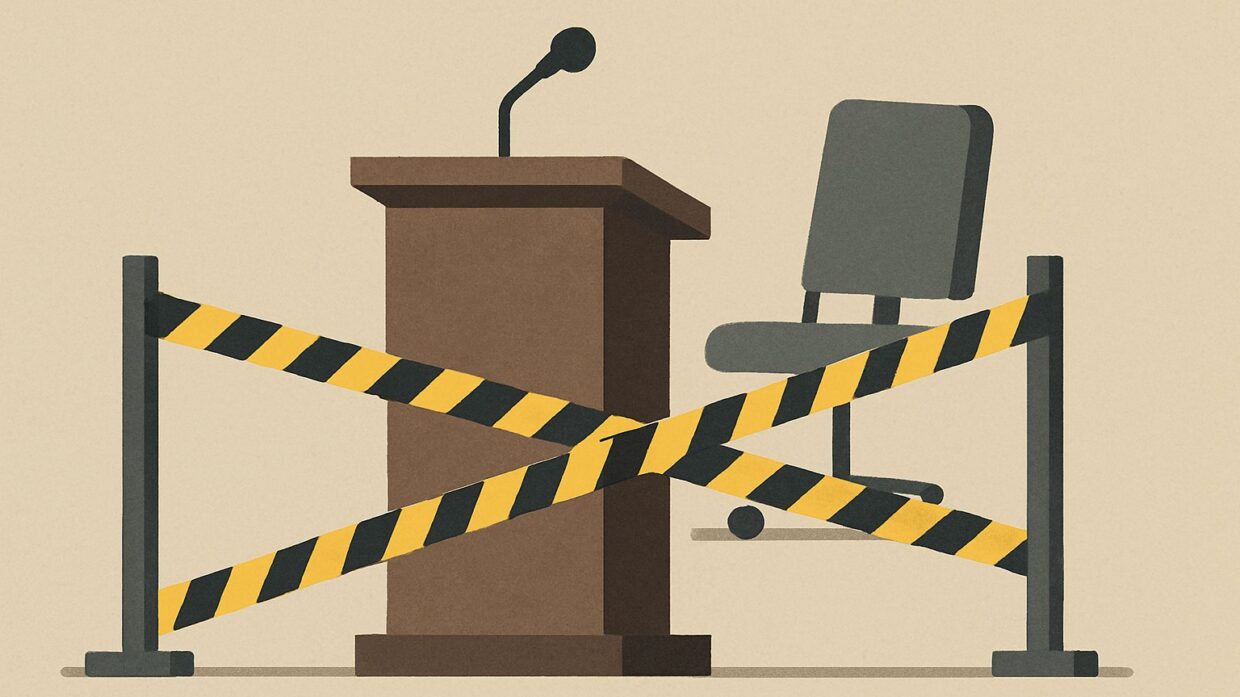
Photo: Well This Is News
Trump White House Bans AP, Attacks Journalists Over Gulf of Mexico and Staff Coverage
Trump Criticizes Media Bias While Touting White House Renovations and 9/11 Ceremony Conduct
Trump White House Escalates Media Confrontations Over Naming and Coverage Decisions
Key Takeaways
- The specific content of the dispute between the White House and the AP remains unclear beyond the Gulf of Mexico naming convention, leaving open whether the conflict is narrowly about naming or involves broader disagreements over sourcing and fact-checking.
- The Trump administration's combination of access bans and coordinated public attacks on individual journalists creates a cumulative pressure on editorial decision-making that is distinct from traditional adversarial disagreements between administrations and press.
- The administration has released self-promotional statements about hurricane response without documented fact-checking protocols, while simultaneously claiming the right to enforce editorial standards on news organizations.
The Analysis
The Trump White House has engineered multiple simultaneous conflicts with news organizations and individual journalists, each framed differently by the administration's supporters and critics, but together they reflect a pattern of escalating pressure on editorial independence.
The documented facts: The White House banned the Associated Press from briefing access over a dispute involving the AP's refusal to adopt Trump's preferred name for the Gulf of Mexico. That decision went beyond naming convention. HuffPost reports the conflict involved broader disagreements about editorial standards and what the news agency would or would not accept from the administration. Separately, the White House issued aggressive public statements attacking journalist Aaron Rupar for reporting on a staff member named Natalie Harp during what the White House characterized as a private trip to Ireland. The White House also published statements on Truth Social thanking Trump for hurricane response, a form of self-praise that does not appear to follow established fact-checking protocols for presidential claims. At a 9/11 memorial ceremony at Ground Zero, video showed Democratic politicians appearing to laugh or smile during a solemn moment, and Trump publicly criticized them.
Why the left frames it this way: Progressive outlets emphasize that banning a major news organization over editorial judgment on naming conventions is unprecedented and represents an attack on press freedom itself. HuffPost's headline language, 'bonkers' and 'flips out,' signals that the behavior is erratic and inappropriate. The framing treats the White House's aggressive attacks on individual journalists as retaliation for routine reporting. What this framing leaves out is whether the AP's naming decision itself reflects editorial judgment or editorial activism, and whether the broader dispute involved legitimate disagreements about sourcing and fact-checking that could survive scrutiny without the press freedom framing.
Why the right frames it this way: Conservative outlets emphasize that Trump is calling out bias and enforcing standards. Fox News leads with Trump's infrastructure accomplishments at the White House rather than the conflict itself. Breitbart amplifies a critique from Chris Christie, a Trump-skeptical figure, about lack of intellectual curiosity in the administration, a framing that allows the right to acknowledge dysfunction while blaming it on staff rather than Trump. The 9/11 ceremony criticism appears designed to highlight Democratic disrespect. What this framing leaves out is that banning a news organization from briefing access is a form of retaliation regardless of how one feels about the AP's editorial choices, and that public attacks on individual journalists represent pressure on coverage that extends beyond policy disagreement.
What neither side is fully addressing: The public record does not establish the specific content of the dispute between the White House and AP beyond the Gulf of Mexico naming convention. Without knowing what else the administration demanded, it remains unclear whether this is a naming dispute or something broader. The White House's pattern of escalating public attacks on journalists and editorial decisions, combined with access restrictions, creates a compounding effect that may influence coverage through fear of retaliation rather than through direct censorship. Neither framing acknowledges that previous administrations have disagreed with media organizations over coverage, but few have combined access bans with coordinated public attacks on individual journalists simultaneously. The underlying question is whether the administration is enforcing legitimate standards or whether these actions constitute systematic pressure on editorial independence.
The evidence suggests the Trump White House is willing to weaponize access and public criticism to shape how news organizations cover it. Whether this represents normal adversarial dynamics or a more significant threat to editorial independence depends on details the public record does not yet fully disclose.
Banning a major news organization from briefing access while simultaneously attacking individual journalists through public statements establishes a pattern of retaliation that works through cumulative pressure rather than direct censorship. Previous administrations disagreed sharply with media outlets, but few combined access restrictions with coordinated attacks on reporters covering the same disputes. If sustained, this approach shifts the cost-benefit calculation for newsrooms deciding what stories to pursue and how aggressively to report on the White House. The AP's decision to maintain editorial independence on naming conventions becomes secondary to the institutional question: whether news organizations can report freely when access denial and public attacks are coordinated responses to coverage decisions. The precedent being set is not about any single naming dispute but about whether executive pressure on editorial judgment, applied through both access and reputation damage, becomes normalized in future administrations across both parties.