Photo: Well This Is News
Trump Weaponizes Rare Power to Slash $1B Congress Approved, Targeting Refugee Programs
Trump Uses Legal Authority to Cut $1B in Wasteful Spending Congress Didn't Scrutinize
Trump Administration Invokes Rescission Authority to Cancel $1B in Congressional Spending
Key Takeaways
- The Impoundment Control Act gives presidents explicit statutory authority to propose rescissions, but the available reporting does not establish whether this power has been used routinely by prior administrations or represents a significant escalation.
- Congress has 45 days to vote and block the rescission, but unclear reporting leaves unanswered whether a divided Congress can actually muster a coalition to reject the cuts or if the compressed timeline effectively prevents meaningful legislative pushback.
- Neither side has disclosed the specific HHS programs being cut or the administration's justifications for each targeted program, making it impossible to assess whether the rescissions target genuinely wasteful spending or are designed to slash services to particular populations.
The Analysis
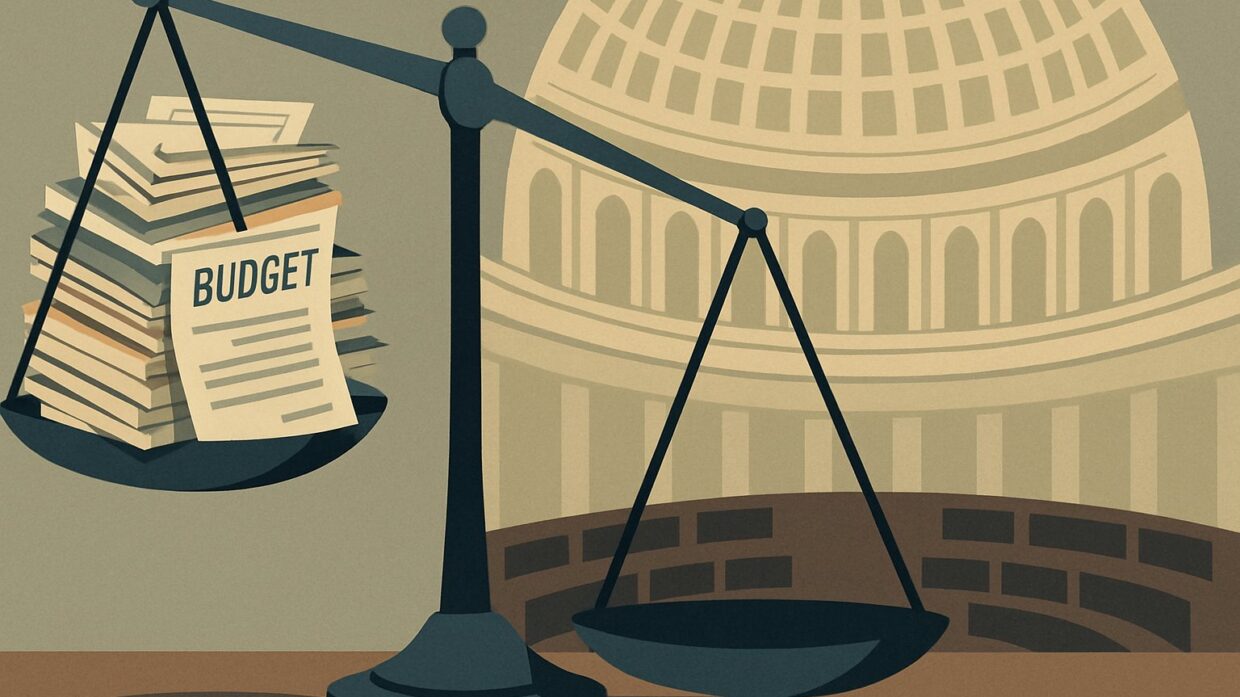
Trump has invoked rescission authority to cancel nearly $1 billion in spending Congress already appropriated, with the bulk targeted at HHS refugee and unaccompanied minor programs, raising a rarely litigated question about the boundaries between presidential and legislative control of federal funds.
The Impoundment Control Act of 1974 permits presidents to propose rescissions of appropriated funds, requiring 45 days for Congress to vote on whether to approve the cancellation. If lawmakers do not approve, the money must be released. The administration has identified approximately $1 billion for cancellation, concentrated in HHS programs serving migrants and refugees. The specific programs have not been fully disclosed in the available reporting, though HHS serves as the lead agency for unaccompanied minor services and refugee processing.
The left framing, captured by HuffPost's language of "claw back," treats this as an unprecedented power grab. That language emphasizes the word "approved by Congress" repeatedly, suggesting the administration is overturning democratic decisions. The frame foregrounds vulnerability: these are funds for refugees and children. What this framing leaves out is that rescission authority is a lawful tool Congress granted to presidents through statute. It also omits how frequently prior administrations deployed this same mechanism or whether $1 billion represents an unusual scale of rescission use.
The right perspective would likely emphasize fiscal discipline and prioritization. Rescission exists because Congress sometimes appropriates funds without rigorous review, and presidents are permitted to propose eliminating what they view as wasteful spending. That framing would stress that Congress retains final authority: lawmakers can reject the rescission within 45 days, and if they do, the funds flow. What a conservative framing might underplay is the substantive impact on vulnerable populations and whether the administration has justified each specific cut or is using the tool as blunt force.
What neither framing fully establishes is the historical pattern of rescission use. The available reporting does not confirm how many times prior administrations invoked this authority, whether $1 billion is routine or significant, or what the specific justifications are for each HHS program targeted. The public record also does not disclose whether Congress's 45-day response window creates meaningful scrutiny or whether rescission has become a faster route to policy change than traditional legislative compromise.
The underlying question is whether rescission authority functions as a genuine check that Congress can invoke, or whether a divided Congress lacking strong leadership cannot muster a veto coalition quickly enough to restore the funds. That answer depends on facts the current reporting does not establish: whether Republicans in Congress support these specific cuts, and whether a Democratic opposition minority can reach 218 votes in the House within the compressed timeline. The mechanism is lawful. Whether it represents a shift in the balance of fiscal authority remains unclear from the evidence so far.
This action tests whether the 1974 Impoundment Control Act remains an effective congressional guardrail or has become a procedural formality. If the Trump administration successfully cancels $1 billion in HHS refugee and migrant services within the 45-day window without triggering a congressional veto, it establishes a precedent that rescission functions as de facto presidential line-item veto authority. Republicans controlling both chambers would need to affirmatively vote to override the cancellation, a politically difficult step when supporting the administration's migration priorities. If Congress fails to act, future administrations will cite this outcome to justify even larger rescissions, fundamentally shifting how appropriated funds flow through federal agencies. The outcome here determines whether statutory fiscal control remains legislative or migrates to executive discretion.