Photo: Well This Is News
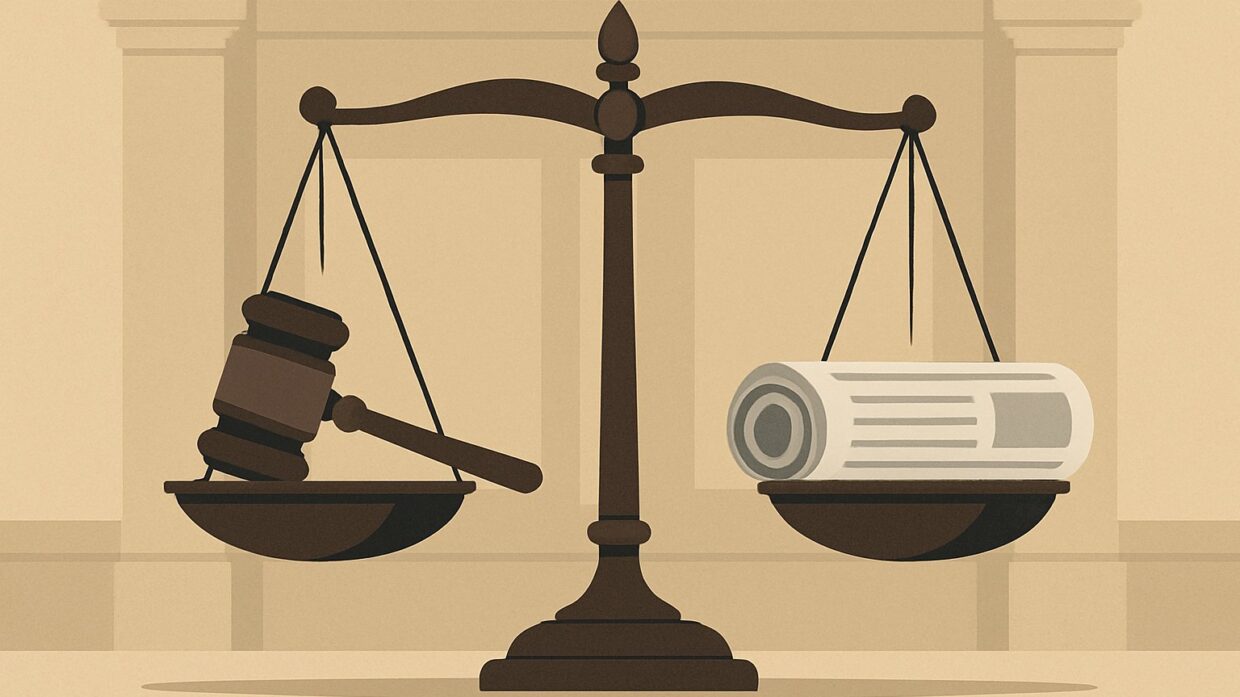
As Acting AG, Todd Blanche Signals Willingness to Intimidate Journalists
77 Former DOJ Officials Back Todd Blanche for Attorney General
Todd Blanche AG Confirmation: DOJ Pressure on Press vs. Ex-Officials' Support
Key Takeaways
- The Atlantic's allegation that the DOJ under Blanche pressured journalists rests on a pattern inference rather than documented specific cases, exact actions, or Blanche's proven involvement in directing them.
- The 77 former DOJ officials' letter offers institutional credibility for Blanche's nomination but does not address whether those signatories support or oppose the specific DOJ conduct toward journalists that The Atlantic describes.
- The public record lacks the material evidence needed to answer the core question: whether the DOJ under Blanche has taken actions against journalists that exceed prior legal practice or represent a shift in tactics toward political adversaries rather than national security breaches.
The Analysis
Todd Blanche's road to attorney general confirmation splits along entirely predictable lines, but the split conceals a substantive gap: what specific DOJ actions toward the press are being debated, and what does the documented record establish about them?
The Atlantic's framing rests on a premise: that DOJ pressure on journalists constitutes intimidation of the sort that would previews Blanche's approach if confirmed. The reporting names the intimidation tactic but the sources provided do not include the specific cases, the exact DOJ actions taken, or Blanche's documented role in directing them. The frame emphasizes pattern and consequence without establishing the evidentiary base for either one. The choice to lead with "willingness to intimidate" rather than "DOJ has pursued journalists" or "specific leak investigations have targeted reporters" shifts the story from documented action to inferred intention. That framing choice serves a political narrative, but leaves out what readers need to know: Which journalists? Which stories? What did the DOJ actually do?
The Federalist's counter-framing, built on the 77 former DOJ officials' letter, offers institutional credibility without addressing the substantive claim. A letter of support for a nominee proves that some former officials back him. It does not address whether those officials would also support or oppose DOJ pressure on the press. The framing treats support as exoneration without engaging the actual allegation. The choice to lead with "77 former DOJ officials" and "broad institutional support" emphasizes consensus while leaving unexamined whether those signatories have reviewed the specific conduct The Atlantic describes.
What neither framing addresses is the documented history of this dynamic. The tension between executive secrecy and press freedom is not new to Blanche or this administration. The DOJ has investigated leaks and pursued journalists under prior administrations, both Republican and Democratic. The Espionage Act cases against journalists or their sources predate Trump's first term. The question is not whether this administration differs in kind from others, but how. That comparison requires specifics: Which leak investigations under Blanche differ from prior DOJ practice? Have the tactics escalated? Have the targets shifted toward political adversaries rather than national security breaches? The available reporting does not establish these distinctions.
Blanche's own statements during this period would be material. His confirmation hearing testimony on press freedom, any public guidance he has issued to prosecutors about leak investigations, and his specific involvement in cases targeting journalists are the evidentiary anchors. The Atlantic piece does not quote Blanche responding to the allegations. The Federalist piece does not ask the former DOJ officials whether they would endorse DOJ action against journalists. Both framings are incomplete by design.
What the public record needs to answer before the Senate votes is precise: Has the DOJ under Blanche's leadership taken specific actions against journalists or their sources that exceed prior legal practice? Or is the allegation one of tone and approach, harder to document but worth examining? The Atlantic assumes the answer is yes and frames accordingly. The Federalist assumes the answer is no and offers testimonial support. Neither has yet forced the case into the open.
Blanche's confirmation will establish whether the DOJ's approach to leak investigations and press conduct represents institutional departure or continuity. The Senate's vote transforms this from a personnel question into a documented precedent for how future administrations justify targeting journalists. If confirmed without clarity on specific DOJ actions taken against reporters under his authority, the hearing creates a template: institutional letters of support can substitute for substantive examination of documented conduct. The documented history of leak prosecutions across administrations exists. What matters now is whether Blanche's confirmation answers whether his tenure accelerated or redirected those prosecutions toward political rather than security targets. The answer becomes binding precedent for how aggressively future attorneys general can pursue press sources without Senate resistance based on specific evidence of departmental practice.