Photo: Well This Is News
Booker Condemns Supreme Court for Sending Voting Rights Back in Time
Cory Booker Calls Trump Embarrassment While Attacking Court Ruling
Supreme Court VRA Ruling Draws Sharp Democratic Criticism From Booker
Key Takeaways
- The Supreme Court narrowed how aggressively states must respond to voting discrimination claims by ruling that race-conscious districts created to comply with the Voting Rights Act cannot abandon traditional redistricting principles entirely.
- The real dispute is a doctrinal tension between requiring states to provide effective voting opportunities for minorities and prohibiting excessive racial sorting in districts, and the 2024 Court majority chose colorblindness over race-conscious remedy.
- Louisiana's own legislature approved the second majority-Black district in response to civil rights pressure, yet the Court struck it down anyway, a fact largely absent from political reactions to the ruling.
The Analysis
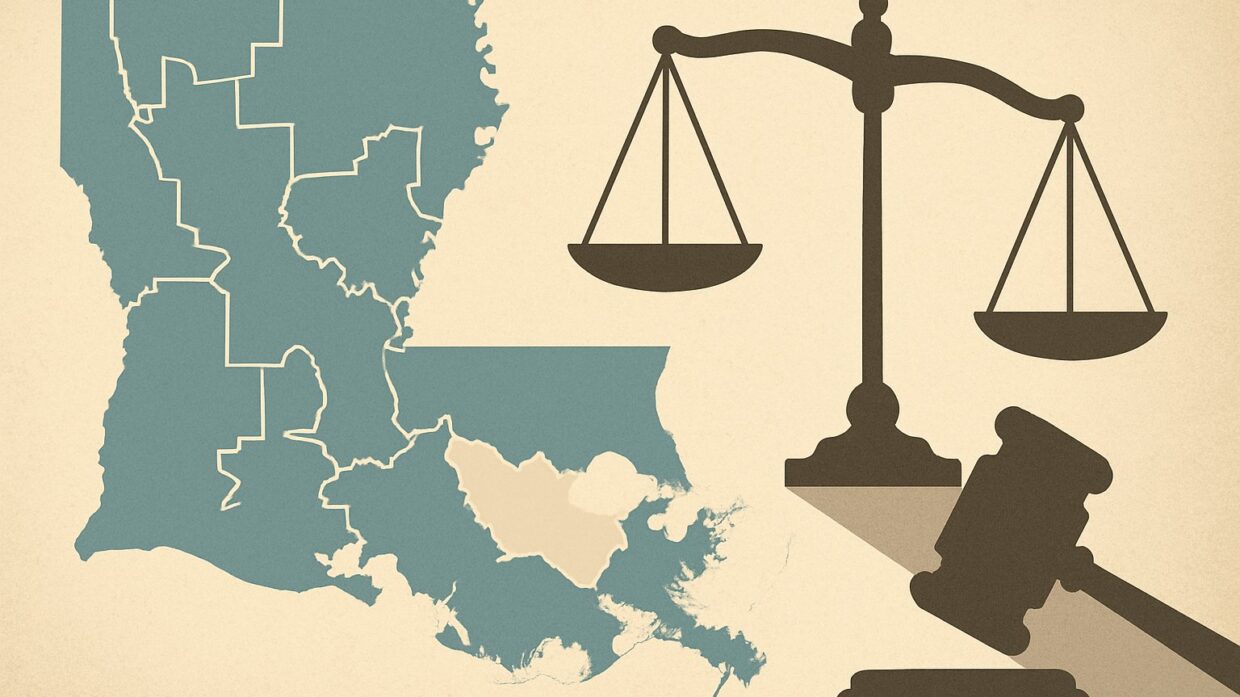
Senator Cory Booker criticized the Supreme Court's decision to overturn Louisiana's second majority-Black congressional district, but the actual legal question the Court answered and the competing voting rights standards at stake remain largely absent from how both his critics and supporters are framing his response.
The verified facts: In a 6-3 decision split along ideological lines, the Supreme Court ruled that Louisiana's addition of a second majority-Black district constituted an unconstitutional racial gerrymander. The district was added after civil rights groups and the Justice Department challenged Louisiana's original maps under Section 2 of the Voting Rights Act, arguing insufficient minority representation. The state responded by creating the second Black-majority seat. The Court's majority, led by conservative justices, found that the state went too far in prioritizing race over other redistricting principles. Booker's statement, per The Hill's reporting, characterized the ruling as sending the country "backwards in time."
The left frames this as a gutting of voting rights protection. MSNBC's coverage emphasizes Booker's reaction to "new limits on the Voting Rights Act" and positions the decision as a step backward for minority representation. This language treats the ruling as an attack on voting rights broadly, without naming the specific constitutional principle the Court invoked: that even race-conscious remedies drawn to comply with the VRA cannot abandon traditional redistricting principles entirely. The left omits that the Court did not eliminate VRA protections, only ruled on how aggressively states can redraw districts in response to Section 2 challenges. This omission is politically convenient because it allows the framing of the decision as categorical harm rather than a boundary dispute about how far racial preferences can extend.
The right, via Breitbart, pivots away from the voting rights question almost entirely. The headline emphasizes Booker's separate criticism of Trump as an embarrassment, treating his reaction to the Court ruling as secondary. This framing allows Booker's comment to be dismissed as partisan ranting rather than engaged with substantively. The right's omission is equally deliberate: it avoids explaining why the Court's conservative majority believed the district went too far, which would require naming the actual constitutional principle at stake. Instead, Breitbart uses Booker's words to discredit the speaker rather than address the Court's reasoning.
What neither side names is the genuine doctrinal tension: the VRA requires states to provide "effective opportunity" for minority voters to elect candidates of choice, but the Constitution also prohibits excessive racial sorting in redistricting. This is not settled law. The 2024 case represents a Court majority prioritizing colorblindness in how districts are drawn, even when those districts remedy prior discrimination. Previous Courts prioritized race-conscious remedies. Both are voting rights positions, not one attacking rights and one defending them. The ruling also ignored that Louisiana's legislature, not outside activists, approved the second district.
The real headline: The Supreme Court sided with colorblindness over race-conscious remedy in redistricting, narrowing how aggressively states must respond to voting discrimination claims, and Booker's criticism omits why reasonable judges disagree about where that line should be drawn.
Louisiana's congressional map now reflects a Supreme Court majority's preference for colorblind redistricting standards even when addressing documented voting discrimination, which will constrain how states respond to future Voting Rights Act challenges and shift power back toward legislatures skeptical of minority representation gains. The 6-3 ruling doesn't eliminate VRA protections but creates legal space for states to reject maps that prioritize Black electoral opportunity, effectively narrowing the remedies available when courts find Section 2 violations. This boundary shift matters because it establishes that constitutional concerns about racial sorting outweigh judicial or administrative demands for aggressive minority representation, meaning voting rights litigants will face higher bars proving that alternative maps could not achieve compliance without extensive racial consideration. Booker's framing as simple backwards movement obscures that the Court articulated a genuine constitutional principle, not a voting rights abolition, making the actual disagreement about institutional design harder to contest.