Photo: Well This Is News
Judicial Supremacy: Supreme Court Doesn't Just Gut Voting Rights Act, It Blocks Future Ones
Blockbuster Ruling Ignites Redistricting War as Alito Rebukes 'Insulting' Liberal Dissent
Supreme Court Strikes Down Voting Rights Act; South Redraws Maps as Left Warns of Foreclosed Reform
Key Takeaways
- The 1965 Voting Rights Act was originally a bipartisan law enforced by Republican presidents and held constitutional for nearly 60 years, meaning this decision represents a shift in judicial theory rather than a discovery of constitutional truth.
- The Court has shifted power toward states and away from federal legislative responses to voting discrimination by simultaneously striking down preclearance and making it constitutionally difficult for Congress to replace it.
- Neither side is acknowledging that conservative lawyers have been developing the federalism argument against the Voting Rights Act since the 1980s, meaning this is the culmination of a long legal project, not a sudden ruling.
The Analysis
The Supreme Court's decision to strike down the Voting Rights Act represents a pivot point in American voting law that neither side is explaining honestly, though for entirely different reasons and toward opposite political ends.
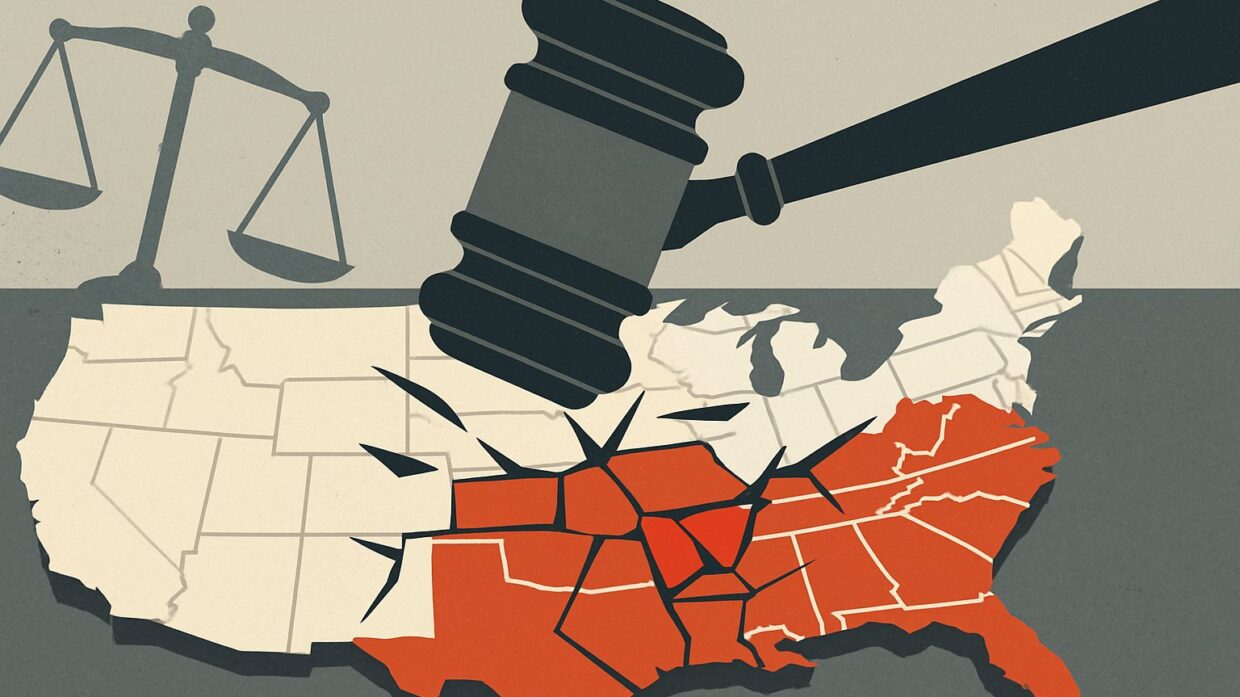
Here's what actually happened: The Court ruled 6-3 that key provisions of the Voting Rights Act,specifically the preclearance requirement that forced certain states with histories of racial discrimination to get federal approval before changing voting rules,violate the Constitution. Justice Alito's majority opinion held that while Congress can regulate voting, it cannot impose different rules on different states. The decision took effect immediately. Justice Jackson, in a dissent described by Alito's camp as "baseless and insulting," warned that the ruling didn't just dismantle existing law; it locked Congress out of passing a replacement. Alito called her dissent "utterly irresponsible."
The left's framing centers on "judicial supremacy," the argument that the Court has declared itself above Congress and seized permanent power over voting rights. The Atlantic's language,"foreclosed the possibility of any new Voting Rights Act",is precise and alarming to that audience. What this framing omits: the Court's actual legal reasoning about federalism and equal protection of the laws, whether that reasoning is sound or not. The left treats the decision as pure power grab without engaging the text of the majority opinion or explaining which parts of Alito's logic it disputes. It's easier to call the Court lawless than to argue why preclearance passes constitutional scrutiny when applied selectively to some states.
The right's framing celebrates the decision as restoring constitutional limits on federal power. Fox News leads with "redistricting war," implying chaos or illegitimate maneuvering, when what actually happened is that Southern Republicans, now freed from preclearance, are redrawing districts,legally entitled to do so. The Daily Wire and Federalist focus on Alito's rebuttal of Jackson, using his language ("baseless," "insulting," "utterly irresponsible") to suggest her dissent was emotional rather than legally sound. What the right omits: any accounting of why preclearance existed in the first place. The Voting Rights Act of 1965 was not conjured from nothing. It responded to systematic disenfranchisement campaigns in Southern states,literacy tests, poll taxes, outright violence,documented in congressional hearings. That preclearance applied to certain states reflected documented facts about certain states.
Neither side is naming what both are quietly avoiding: the 1965 Voting Rights Act was negotiated between Republicans and Democrats, enforced by Republican presidents, and held constitutional for nearly 60 years. The legal argument that it violates federalism did not materialize yesterday. Conservative lawyers have been developing this theory since the 1980s. This decision represents the maturation of a long conservative legal project, not a sudden discovery of constitutional truth. The Court changed its theory of what the Constitution allows, not the Constitution itself.
The real headline: The Supreme Court has returned voting regulation entirely to individual states and Congress, but has simultaneously constrained Congress's ability to set national standards for those states. That is not neutral. It is a structural shift in power toward states and courts, away from federal legislative responses to voting discrimination. Whether that is constitutionally sound is a real debate. Whether it is what the Court said it was doing is not.
Southern states can now redraw voting districts without federal oversight, and Congress cannot easily pass legislation to restore that requirement because the Court has declared the constitutional theory underlying any such law suspect. This locks in a decades-long conservative legal project that reframed federalism limits as immovable constitutional doctrine, not policy preference. States with histories of documented racial voting discrimination can now implement electoral maps without preclearance, while any congressional attempt to revive protection faces an immediate constitutional challenge the Court has already signaled skepticism toward. The institutional consequence is irreversible: voting rights protection shifts from Congress to federal courts on a case-by-case basis, a slower and less preventative mechanism that requires plaintiffs to prove discrimination after the fact rather than stop it beforehand.