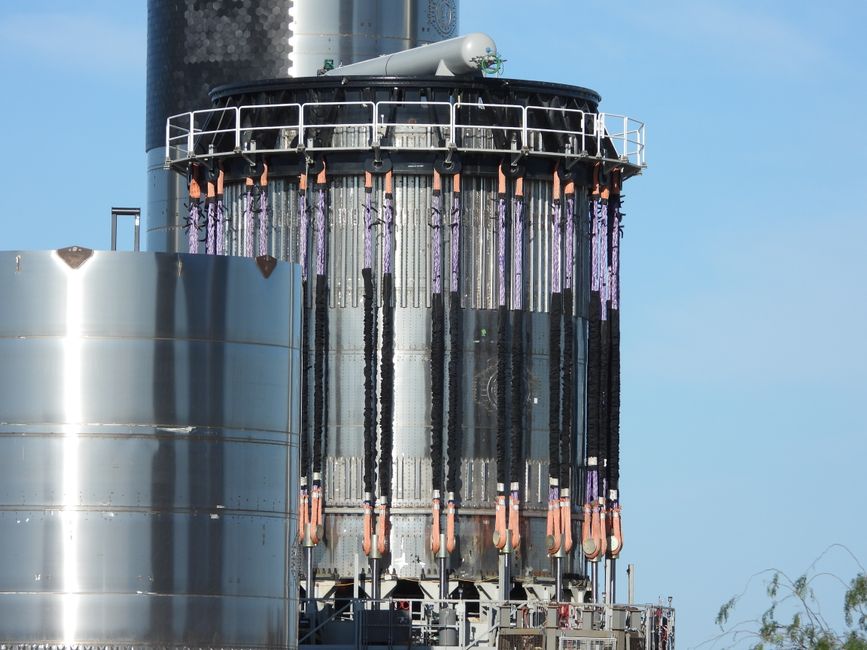
Photo: Ocean Camera Space Corp.
Elon Musk's Starbase expansion threatens South Texas environment and local communities
Texas community debates tradeoffs of SpaceX's massive expansion near Starbase complex
SpaceX Starbase expansion in Texas faces local opposition over environmental and infrastructure concerns
Key Takeaways
- Neither side has clearly documented what specific permitting processes, environmental reviews, or regulatory approval the expansion must receive before proceeding.
- The actual leverage local opposition possesses and what negotiation between SpaceX and the community has already occurred remain unreported.
- SpaceX's prior relationship with Willacy County and whether this expansion differs materially from earlier development phases that apparently proceeded without this level of documented opposition is unknown.
The Analysis
SpaceX is pursuing a significant expansion of its Starbase facility in Willacy County, Texas, which includes a proposed semiconductor factory and additional rocket manufacturing infrastructure. The expansion has divided the rural South Texas community between those focused on economic development and those concerned about environmental degradation, property rights conflicts, and strain on local services.
NPR's framing emphasizes environmental and activist concerns, deploying language that foregrounds what the outlet identifies as threatened ecosystems. The reporting centers the voices of "landowners and activists" in the headline, positioning their opposition as the primary narrative. This framing leaves understated the economic opportunity the expansion represents, including potential job creation and tax revenue for one of Texas's poorest counties. NPR does not lead with employment figures or local government support, if it exists.
MarketWatch's framing acknowledges local skepticism but frames it as a debate between "neighbors" and Musk's ambition, using the superlative "world's largest building" to emphasize scale. This reporting foregrounds resident concern but also includes the economic logic of the project, the reference to "trillionaire" status contextualizing Musk's capital access. The language "are not happy" is colloquial and softens what may be deeper opposition. MarketWatch does not prominently feature the specific environmental claims or the regulatory process that will determine whether the expansion proceeds.
What neither framing adequately addresses is the relevant regulatory history. Texas has granted SpaceX significant operational latitude at Starbase since its establishment, and the state has economic incentives to support major industrial expansion. Neither source systematically explains what permitting processes the expansion must clear, what state or federal environmental review is required, or what leverage local opposition actually possesses. The NPR reporting does not establish whether environmental concerns reflect documented ecological vulnerability or precautionary opposition. The MarketWatch reporting does not clarify whether local government has formally opposed the project or whether opposition is primarily grassroots.
Also underdiscussed: the history of land acquisition pressure around major industrial facilities in South Texas, the prior relationship between SpaceX and the Willacy County community, or whether this expansion differs materially from prior development phases that presumably proceeded without this level of documented opposition. The question of property rights and voluntary sale versus pressure to sell remains unresolved in both framings.
The underlying story concerns how rural communities weigh immediate economic need against longer-term environmental or quality-of-life concerns when a major corporation seeks significant expansion. Both sides are framing this as zero-sum, but the actual policy question is what conditions, environmental mitigation, or community benefit agreements might make the expansion acceptable to skeptics, and whether such negotiation has occurred.
SpaceX's Starbase expansion will test whether Texas regulators can enforce environmental standards against a politically favored corporation with state-level backing. Willacy County faces a concrete choice: the state permitting process will determine if local opposition can delay or shape the project through environmental review requirements, or if economic incentives override community concerns. The precedent here extends beyond SpaceX. If the expansion proceeds with minimal mitigation despite documented local resistance, it signals that major corporations can override rural landowner opposition when state economic development priorities align with private capital. Conversely, if local stakeholders extract meaningful environmental safeguards or community benefit agreements, it establishes that opposition in poor rural counties can impose real costs on industrial expansion. The actual regulatory leverage local communities possess remains the unreported story that will determine whether this becomes a model for corporate-community negotiation or for concentrated capital's ability to reshape landscapes regardless of resident objections.