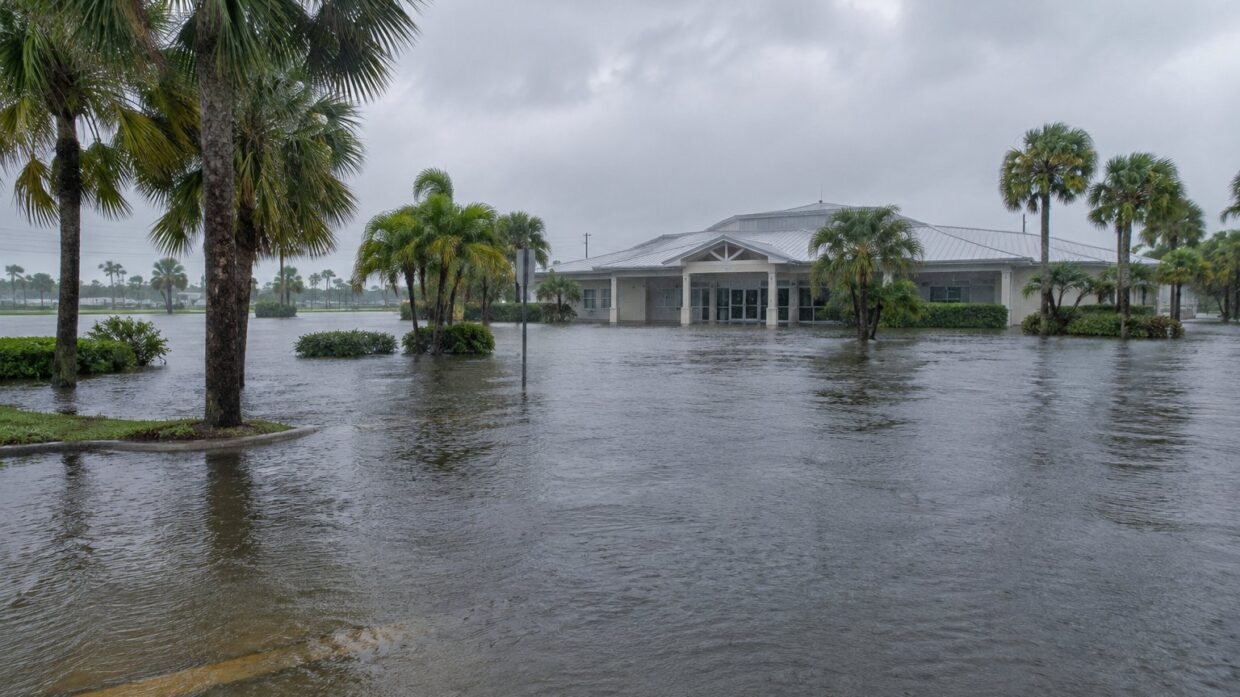
Photo: Well This Is News
Flash flooding and tornadoes scramble Election Day plans across multiple states
Florida voters in 7 counties navigate polling place relocations due to heavy rainfall
Severe flooding forces polling location changes in Florida, Southwest on Election Day
Key Takeaways
- Severe thunderstorms dumped over 12 inches of rain across Florida and the Southwest on Election Day, forcing officials in at least seven Florida counties to relocate polling places using pre-established emergency protocols.
- The reporting does not establish whether this clustering of simultaneous relocations exceeded routine seasonal weather disruptions in flood-prone Florida or represented an unusual event, leaving unclear whether the scale of relocation was extraordinary.
- Neither outlet reported whether any voters were turned away, what percentage of affected voters actually cast ballots at relocated sites, or whether turnout in affected counties differed from comparable elections.
The Analysis
Severe thunderstorms dumped more than 12 inches of rain across parts of Florida and the Southwest on Election Day, forcing officials in at least seven Florida counties and other regions to relocate polling places. The specific mechanics of what happened are straightforward: flash flood warnings triggered emergency protocols, officials notified voters and moved voting sites to accessible locations, and voting proceeded despite the disruptions.
NBC's framing emphasizes the disruption and stakes. The network led with the word "scrambling," which characterizes official response as reactive rather than planned. The phrase "hot-button races" appears without specifics about which races or what made them contested. This framing serves a narrative function: it presents weather events as creating electoral chaos, implying that orderly voting procedures may not survive severe climate conditions. What the NBC framing does not establish is whether the relocations actually prevented voters from casting ballots or simply required them to travel further. It does not name the races described as "hot-button" or establish whether polling place relocation significantly affected participation in those contests.
Fox's framing is narrower and more procedural. It names the specific geography (seven Florida counties), describes the cause (heavy rainfall and flash flood warnings), and reports the action (temporary polling location changes). The word "temporary" carries implicit reassurance: the problem is bounded in time. Fox emphasizes that "voters" face the changes, centering the individual rather than the systemic. What this framing leaves out is broader context about whether such relocations are routine for election officials in flood-prone regions or whether this event represents an unusual burden on the voting process. It does not address whether voters were adequately notified or whether some voters may have voted at the wrong location.
What neither frame fully captures requires examining the baseline. Election officials in flood-prone regions have established protocols for weather-related polling place relocations. The fact that seven counties moved locations is notable, but the available reporting does not establish whether this exceeded normal seasonal weather disruptions in Florida or represented an unusual clustering of simultaneous closures. Yale Climate Connections reports that thunderstorms "may have contributed to a deadly plane crash near Palm Beach," establishing that the weather event had consequences beyond polling logistics, but neither the left nor right framing foregrounds this broader public safety context.
The underlying question is whether Election Day weather disruptions constitute an electoral access problem or a logistical management routine. The reporting does not establish what percentage of affected voters cast ballots at relocated sites, whether any voters were turned away, or whether turnout in affected counties differed measurably from comparable elections. NBC's emphasis on "scrambling" and Fox's emphasis on orderly "temporary" changes are both interpretations of the same basic fact: officials moved voting locations and voters adapted. The interpretation each outlet chose reveals what each considers normal and what counts as crisis.
Election officials in flood-prone regions will face increasing pressure to pre-authorize mobile voting units and satellite polling locations rather than managing relocations as emergency responses. The seven-county Florida displacement on a single day signals that traditional fixed-location voting infrastructure cannot reliably serve voters in areas experiencing more frequent severe weather events. States will need to revise election codes to permit expanded early voting and mail balloting in counties with documented flood risk, and counties will need to budget for redundant polling infrastructure. Without these changes, future weather events will create genuine access barriers rather than mere inconvenience, and litigation over whether voters faced unconstitutional obstacles will follow.