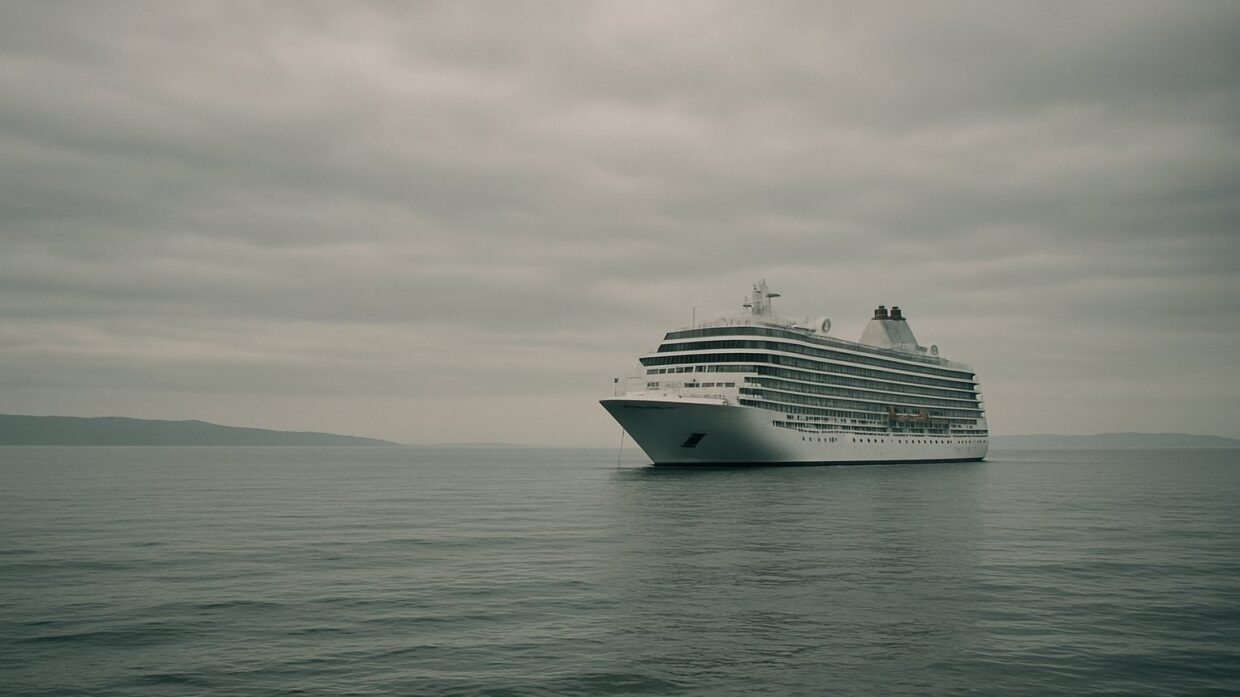
Photo: Well This Is News
Cruise ship trapped off Africa as deadly hantavirus spreads person-to-person
Luxury cruise ship nightmare: rare 40% mortality hantavirus outbreak kills three
Seven hantavirus cases confirmed on cruise ship off West Africa; three deaths reported
Key Takeaways
- Health officials confirmed at least one couple boarded the ship already infected with hantavirus, meaning the outbreak originated from pre-embarkation infections rather than conditions created solely aboard the vessel.
- Argentina's pre-departure health screening and the cruise line's boarding protocols both failed to detect passengers with hantavirus symptoms, exposing gaps in international health screening standards at multiple checkpoints.
- The actual policy failure involves shared responsibility between Argentina's departure screening and the cruise operator's boarding procedures, not cruise industry negligence or shore-side problems alone.
The Analysis
The MV Hondius hantavirus outbreak killed three passengers with seven total confirmed or suspected cases as of May 2026, but neither side is naming the critical detail that health officials now believe at least one couple arrived on the ship already infected, not from cruise ship conditions alone. This distinction matters because it reframes the entire narrative about where blame belongs and what actually failed.
The verified facts: The World Health Organization confirmed seven cases on the MV Hondius sailing from Argentina toward Cape Verde. Three passengers died. Approximately 150 passengers, including 17 Americans, were prevented from disembarking in Cape Verde. Spanish health authorities conducted inspections before allowing passengers to leave. At least one couple was infected before boarding, according to MarketWatch's reporting citing health officials. Two cases show evidence of human-to-human transmission aboard the ship, which hantavirus can do but rarely does, since the virus is predominantly spread through contact with infected rodent feces, urine, or saliva.
The Guardian and NPR frame this as a cruise ship failure requiring urgent examination of safety protocols. The Guardian's language emphasizes passengers "trapped" and "blocked docking," linguistically separating passengers from agency. NPR headlines the "rare occurrence" of human-to-human transmission, suggesting the ship created conditions for an epidemiological anomaly. The Atlantic calls it a "brutal first for the cruise industry." This framing omits a crucial fact: the outbreak began with pre-boarded infections. It also avoids naming the specific failure point that matters most for cruise ship policy: the pre-embarkation screening protocols that missed two infected passengers arriving from Argentina. That omission is politically convenient because it allows critics to indict the entire cruise industry rather than address a specific, fixable screening failure.
The Daily Wire emphasizes the virus's 40% mortality rate and human-to-human transmission capability, using language that foregrounds lethality and contagion. It names the ship as a "luxury cruise" and frames passengers as experiencing a "nightmare," language that personalizes suffering but deflects from systemic analysis. The right's framing omits something equally important: the outbreak's origin. By leading with transmission rates and deaths, it suggests the ship itself generated the outbreak, when the evidence shows the ship received already-infected passengers. This omission is also politically convenient, allowing the right to indict cruise industry negligence without examining Argentina's health screening at departure points.
Neither side names the actual policy failure: Argentina's failure to identify and quarantine two infected passengers before departure, combined with the cruise line's failure to screen for hantavirus symptoms during embarkation. Both countries and the cruise operator had opportunities to detect infection before the ship sailed. Hantavirus symptoms include fever, headache, and muscle aches, typically appearing three to four weeks after infection. If the couple boarded within that window, symptoms would likely have appeared. The real headline involves a breakdown in international health screening standards at multiple points, not a cruise ship that caught everyone by surprise once at sea.
The most honest version: A cruise ship admitted two passengers already infected with hantavirus, leading to three deaths and seven confirmed cases, exposing gaps in pre-departure screening in Argentina and boarding protocols, while both sides blame different actors to avoid naming shared responsibility.
Argentina's pre-departure health screening failed to identify two infected passengers boarding the MV Hondius, yet media coverage from left and right both obscure this origin point to blame either the cruise industry broadly or transmission aboard ship. The Guardian and NPR indict cruise safety protocols without naming the specific screening failure that mattered most; The Daily Wire emphasizes lethality and contagion to suggest systemic negligence by operators without examining Argentina's role. This framing gap means the actual policy lesson vanishes: international departure screening for hantavirus symptoms, not just cruise embarkation protocols, now requires urgent standardization. Without naming Argentina's screening failure alongside boarding protocol gaps, no port authority or departure nation will prioritize the specific detection window when symptoms emerge.