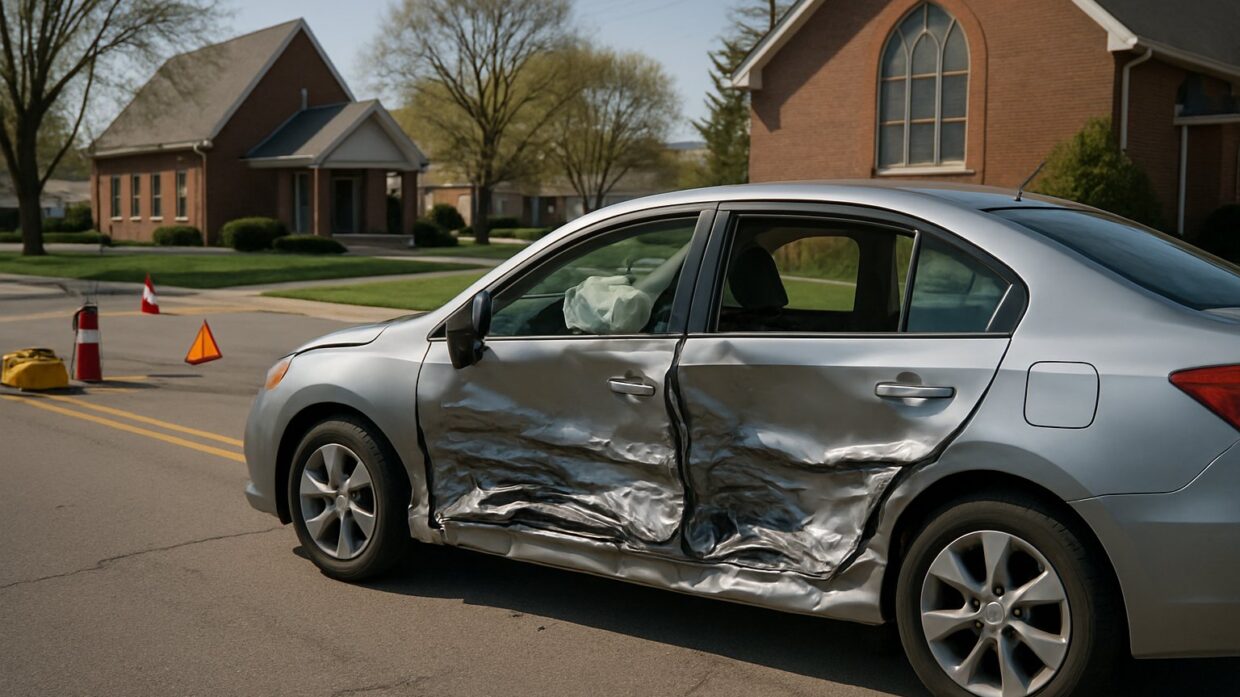
Photo: Well This Is News
Rep. Marcy Kaptur injured in hit-and-run while traveling to church
Democratic congresswoman Marcy Kaptur hospitalized after hit-and-run crash
Rep. Marcy Kaptur hospitalized after hit-and-run crash in Toledo
Key Takeaways
- Toledo police have not yet released information about the fleeing driver, their vehicle, or what charges may result, leaving the investigation status unclear despite widespread coverage of the incident.
- No outlet reported evidence suggesting the crash was politically motivated, had suspicious circumstances beyond being a hit-and-run, or involved any factor other than a traffic crime.
- The reporting treats this as a concluded event with a known outcome rather than an active police investigation, potentially obscuring whether the public will eventually learn whether the crash was random or had other dimensions.
The Analysis
Rep. Marcy Kaptur, an 80-year-old Democratic congresswoman representing Ohio's 9th District, was hospitalized Sunday morning after a vehicle carrying her was struck in a hit-and-run crash near Toledo around 10:45 a.m. local time. The Toledo Police Department confirmed she sustained non-life-threatening injuries. The reporting across outlets is unusually aligned on the basic facts, which itself is noteworthy: there is no dispute about what happened or her condition.
The verified details from Toledo police establish the sequence: Kaptur was a passenger in a vehicle traveling to church when another vehicle struck it and fled the scene. Both she and at least one other person in the vehicle were taken to the hospital for evaluation. Her office released a statement confirming her condition and the context of her travel. No information about the fleeing driver, their vehicle, or possible charges has been reported yet.
NBC News and MSNBC led with the hospitalization and non-life-threatening nature of her injuries, emphasizing the hit-and-run element without additional framing. The language used, "hospitalized after hit-and-run car crash," presents the incident as a straightforward traffic crime affecting a sitting member of Congress. What this framing leaves out is any context about whether this was a random traffic incident or something with other dimensions, though the available reporting provides no basis for suggesting otherwise.
Fox News and The Daily Wire identified that Kaptur was traveling to church, a detail that adds context about her activity at the time but also appears chosen to ground the story in her personal routine. The Washington Examiner and The Daily Wire identified her party affiliation explicitly in their headlines, a choice that frames the story within a political identity before establishing the incident itself. The detail that she is 80 years old appears across outlets, information that may be journalistically relevant to injury severity but also implicitly frames this as a story about vulnerability.
What neither the left nor right framing addresses clearly is the status of the police investigation itself. No outlet reports whether the fleeing vehicle has been identified, whether charges are expected, or what evidence police are working with. The reporting treats this as a concluded event with a known outcome rather than as an ongoing investigation, which may simply reflect the timing of the reporting but leaves questions about how the case is being handled.
The absence of partisan framing in the coverage is itself significant. This is a hit-and-run crash involving a member of Congress, but there is no available reporting suggesting the crash was politically motivated, no naming of suspects with political affiliations, and no speculation about motive. The coverage treats it as a traffic crime, which appears to be what the evidence supports. What this may signal is that when the facts do not permit political interpretation, outlets report the story as such.
The real headline here is simpler and less examined than the surrounding coverage suggests: a sitting congresswoman was injured in a traffic crime and is recovering. The institutional question the reporting does not fully address is whether the investigation by Toledo police will be transparent and whether the public will learn whether this was random or whether any additional circumstances exist.
Kaptur's hospitalization highlights a gap in how police departments handle traffic crimes involving public officials. Toledo authorities have released minimal investigative details beyond confirming the hit-and-run occurred, leaving open questions about whether the fleeing driver has been identified and what evidence exists. For an 80-year-old member of Congress, transparency about whether this was random negligence or something requiring closer scrutiny matters for public confidence in how law enforcement treats cases touching elected officials. Without clear disclosure of investigation timelines and findings, citizens cannot assess whether standard protocols are being followed or whether political status influences investigative urgency. The pattern of sparse reporting on police investigation status, replicated across outlets regardless of ideology, suggests local law enforcement disclosure practices may need examination.