Photo: Well This Is News
Pope Leo Thanks Faithful for Prayers as He Gradually Returns to Duties After Cancer Treatment
With God's Help and Your Prayers: Pope Leo Tells Faithful He Will Slowly Resume Duties After Cancer Surgery
Pope Leo Resumes Public Duties One Day After Hospital Discharge Following Cancer Surgery
Key Takeaways
- The Vatican has not disclosed whether the Pope's appearance 24 hours after lung cancer surgery aligns with standard medical protocols for patients his age.
- Neither left nor right coverage questioned whether the rapid public reappearance serves messaging and succession-reassurance purposes rather than reflecting actual medical readiness.
- The Pope's medical team issued only generic recovery statements without independent verification or detailed explanation of his actual health trajectory.
The Analysis
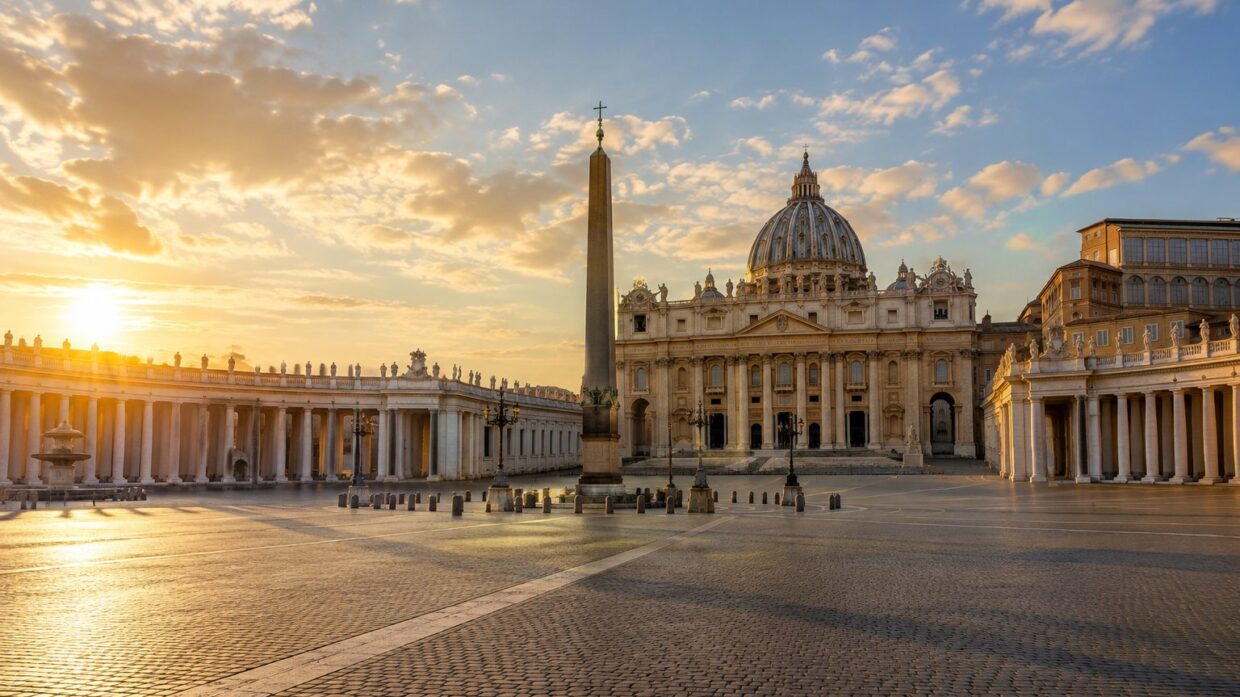
Pope Leo XIV appeared publicly at St. Peter's Square on Sunday, October 18, 2026, one day after hospital discharge following surgical removal of a malignant lung tumor. The Vatican's official statement confirms the diagnosis was cancer and that doctors report satisfactory recovery. What the coverage emphasizes and what it carefully avoids reveal two distinct narratives about the same medical event.
The documented facts are straightforward: the Pope underwent surgery on a weekend, was discharged the following day, and delivered remarks to faithful from the balcony. NBC News reports he "appeared in public just one day after he was discharged," emphasizing the speed of his return. His doctors issued a statement saying he is "recovering well." NPR quotes his pledge to "gradually return to his usual duties." Breitbart reports he invoked "God's Help and Your Prayers," quoting his exact framing of the recovery as spiritually anchored rather than purely medical.
The left-leaning coverage, represented by NPR and NBC, frames this as an inspirational recovery narrative. NBC emphasizes the rapidity of his public reappearance ("just one day") and notes his "commitment to continuing his leadership." The language centers on the Pope's resolve and the faithful's spiritual support. What this framing leaves out: any discussion of whether appearing in public 24 hours post-surgery for a lung cancer operation aligns with standard medical protocols, or any voice from his medical team explaining the recovery timeline. The focus on inspiration sidesteps medical specificity.
The right-leaning coverage, represented by Breitbart, uses nearly identical reporting but reframes it around religious faith. Breitbart's headline emphasizes the Pope's invocation of divine assistance and the faithful's prayers as primary agents in recovery, not medical intervention. The same facts appear in all outlets, but Breitbart's selection of which quote leads and which aspects receive prominence treats this as a spiritual event rather than a health event. A secondary Breitbart article about a Chris Pratt Vatican documentary appears alongside the surgery coverage, creating a broader narrative of Vatican cultural prominence that adds context unrelated to the medical story itself.
What neither side addresses: the Vatican has a documented history of opacity around papal health. Pope John Paul II's declining health was minimized in official communications for years before his death. The current case presents a Pope who underwent cancer surgery and reappeared publicly within 24 hours, which is medically unusual for someone of advanced age with a malignant tumor. The coverage does not explore what this rapid reappearance means about either the severity of the condition, the scope of the surgery, or the Pope's actual medical status beyond the generic "recovering well" statement. Both framings accept Vatican medical disclosure at face value without independent verification.
The real story this coverage is missing: whether the Pope's public appearance one day post-surgery reflects genuine recovery readiness or serves a messaging function to reassure the global Catholic faithful and squelch speculation about succession planning. The left emphasizes spiritual support as recovery driver. The right emphasizes divine intervention. Neither asks whether appearing publicly hours after cancer surgery, regardless of the reason, tells us anything about the actual medical trajectory ahead.
The Vatican's track record of obscuring papal health crises, most notably John Paul II's undisclosed decline before his death, makes this rapid public reappearance after lung cancer surgery a potential institutional warning sign rather than a reassurance. When a pontiff undergoing malignant tumor removal appears at a balcony 24 hours later, both religious confidence and medical skepticism warrant examination. Coverage treating this as either inspirational triumph or divine intervention avoids the harder institutional question: whether the Pope's immediate public visibility signals genuine recovery capacity or serves as damage control against succession speculation. The Vatican's opacity on papal health directly shapes Catholic governance stability and financial markets tied to church leadership continuity, making independent medical verification essential rather than deferential acceptance of official statements.