Photo: Well This Is News
Flesh-eating parasite returns to US after decades, threatening cattle industry and food prices
Flesh-eating screwworm reaches US: what the cattle crisis means for American livestock
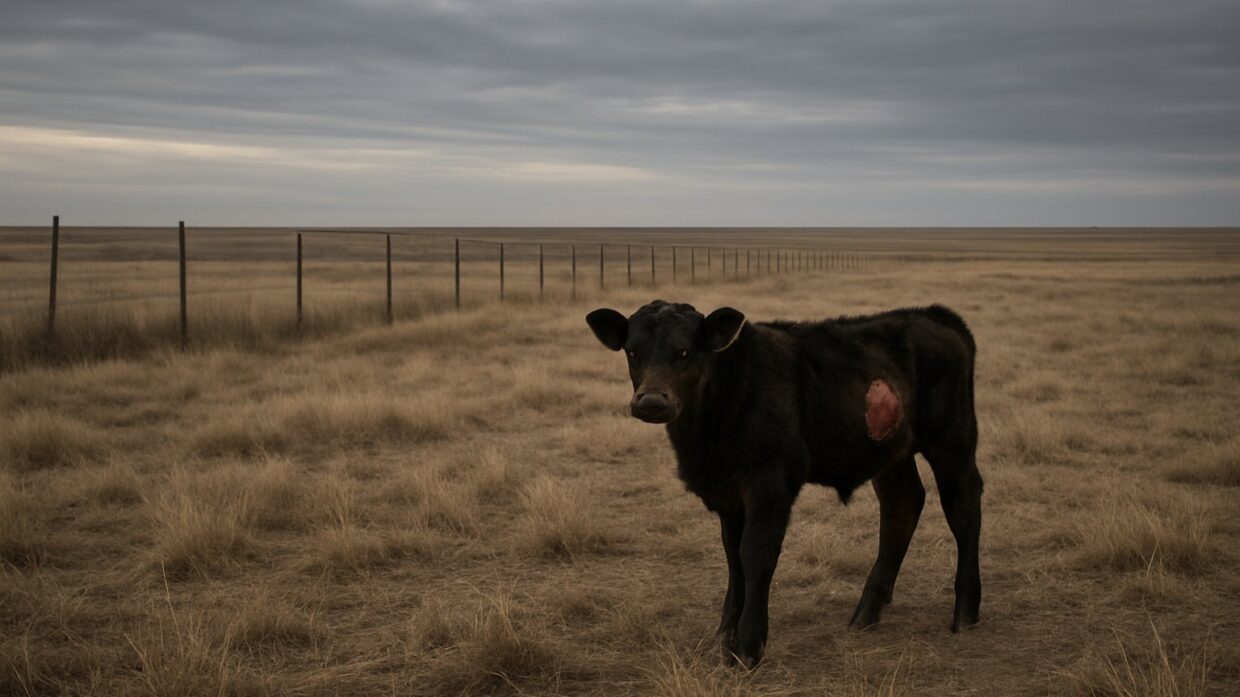
New World screwworm confirmed in Texas cattle after 60-year absence
Key Takeaways
- The 1960s-1970s eradication of the screwworm succeeded through a specific, costly process involving sterile insect releases across multiple states and binational coordination with Mexico, but reporting does not confirm whether those protocols and infrastructure remain operational today.
- The single confirmed case in a Texas calf was detected through an unknown surveillance method, leaving unclear whether current monitoring systems caught an isolated incident early or whether undetected spread has already occurred.
- The current biosecurity environment, surveillance capacity, and regional disease dynamics differ substantially from the conditions that enabled successful eradication 60 years ago, yet neither side has examined whether existing containment approaches remain viable or need updating.
The Analysis
The New World screwworm, a parasitic fly native to Central and South America, was confirmed in a Texas calf in 2026, marking the first documented case in US livestock since the mid-1960s, when a coordinated eradication program involving sterile insect releases and border quarantines successfully eliminated the pest from domestic herds. What the news coverage emphasizes and what it strategically omits tells two different stories about the same biological event.
The documented facts: The USDA confirmed the screwworm presence in a Texas calf through larval identification. The parasite, Cochliomyia hominivorax, lays eggs in open wounds on livestock, and the larvae feed internally, causing tissue damage and potential death if untreated. The species had been eradicated from the continental United States by the 1970s through a combination of quarantine enforcement and the release of sterile male screwworms, which prevented reproduction. The outbreak's origin point,how the parasite reached Texas,remains undisclosed in the available reporting.
The left-leaning framing, amplified by NBC News and The Guardian, emphasizes threat to the food supply and connects the outbreak to existing economic pressures. NBC's framing explicitly ties the screwworm detection to "a time when prices are already high," suggesting a compounding crisis. This framing is accurate but incomplete: it foregrounds economic consequence while backgrounding the biological facts that matter for containment. The coverage does not explain how this pest was previously controlled or what specific surveillance methods detected this case, which would clarify whether the outbreak was caught early or represents a broader undetected spread.
The right-leaning framing, represented by The Daily Wire, emphasizes the novelty and severity of the threat itself, using language like "new fear unlocked" and describing the insect as eating prey "from the inside out." This framing is dramatized but factually grounded: the parasite does feed internally and poses a real risk. What it leaves underspecified is the distinction between confirmed cases and potential exposure, and whether containment protocols from the 1960s remain viable or require updating.
What neither framing addresses directly: The screwworm eradication in the 1960s succeeded through a specific, resource-intensive process involving sterile insect releases across multiple states and Mexico, coordinated across borders. The reporting does not establish whether those protocols remain in place, whether the insect populations used in that program still exist in sufficient numbers, or whether the original border quarantine infrastructure has been maintained or allowed to atrophy. The coverage also does not disclose how the single confirmed case in a Texas calf was identified,whether through routine surveillance, a rancher's report, or opportunistic detection,which would indicate the robustness of current monitoring systems.
The eradication program of the 1960s-1970s cost significant federal resources and required binational cooperation with Mexico. The current outbreak occurs in a different biosecurity environment, with different surveillance capacity, and with unclear regional disease dynamics. The critical unresolved question is not whether the screwworm is dangerous to cattle, which both sides grant, but whether the infrastructure designed to prevent exactly this scenario still functions.
The screwworm's return exposes a 60-year-old eradication infrastructure now operating without public accountability. The original 1960s-1970s program relied on continuous sterile insect releases coordinated across state lines and the Mexico border, supported by dedicated federal funding and bilateral agreements. No current reporting discloses whether those breeding colonies remain active, whether quarantine enforcement persists, or whether the USDA maintains the surveillance capacity that caught this single case. If containment fails, ranchers face mandatory herd quarantines and treatment costs averaging thousands per animal, while the USDA may need to restart an expensive eradication campaign. The agency's silence on whether preventive infrastructure survived decades of budget cycles and shifting priorities suggests institutional forgetting, not reassurance. A single confirmed case becomes meaningless without transparency about the detection system's sensitivity and the speed of response protocols.