Photo: Well This Is News
Memorial Day observance highlights military sacrifice while weather extremes threaten farm economies
Heroes who gave all deserve our gratitude; American resilience endures despite hardships
National Review marks Memorial Day with tributes to service; climate coverage documents agricultural stress
Key Takeaways
- Coverage around Memorial Day 2026 reflects a stark institutional divide in what counts as national crisis, with military sacrifice receiving cultural prominence while concurrent wheat crop failures worse than 1972 receive only economic reporting.
- Neither the ceremonial framing of military honor nor the technical reporting of agricultural data addresses whether rural veteran populations are experiencing compounded economic pressure from both climate damage and inadequate support systems simultaneously.
- The public record establishes visibility for either military service as cultural heroism or agricultural economic damage as measurable data, but not whether policymakers are treating these as overlapping crises affecting the same communities.
The Analysis
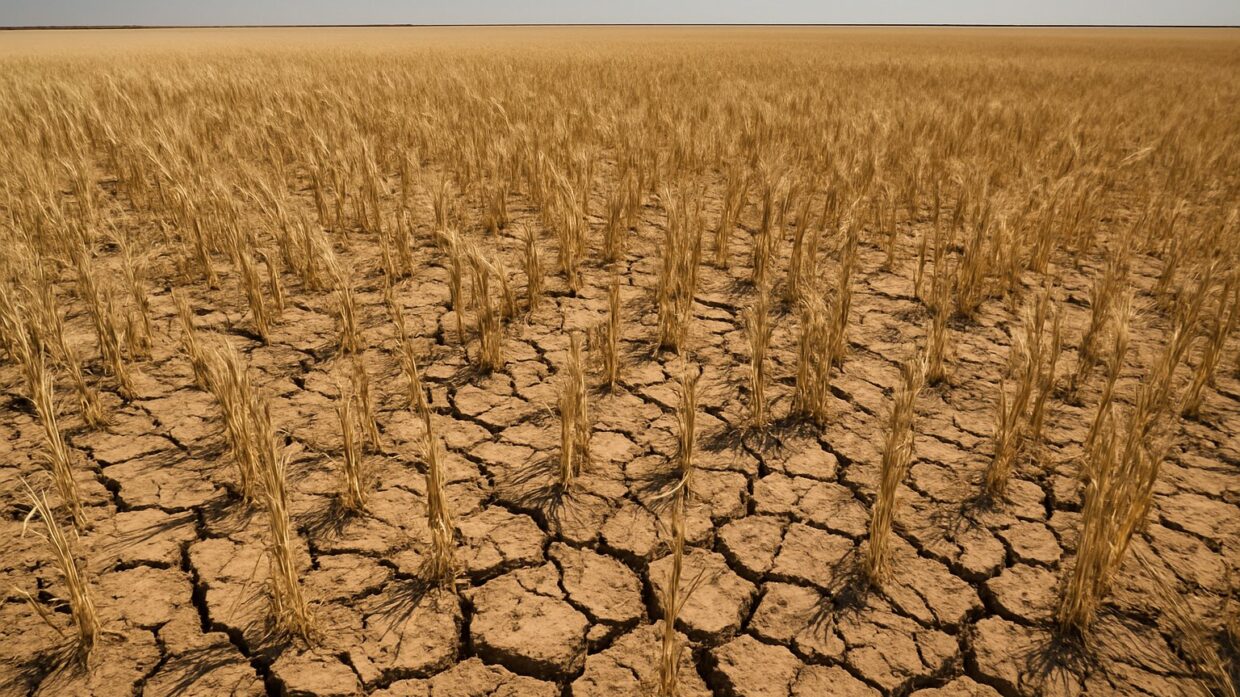
The editorial coverage published around Memorial Day 2026 reveals a stark divide in what counts as a national crisis and whose hardship receives cultural prominence. National Review devoted substantial editorial real estate to honoring military sacrifice, with pieces titled "Life, Liberty, and Fried Chicken" and "The Empty Desks Are Telling Us Something," while Yale Climate Connections reported that Kansas wheat crops face conditions worse than 1972, driven by weather extremes and rising operational costs.
The right-leaning framing emphasizes gratitude and moral obligation. National Review's language is direct: "We have the little joys of life because of the men and women who have sacrificed everything." The piece on Bob Woodson expands the definition of heroism to civil rights leadership. This framing leaves out any discussion of how economic stress, healthcare access, or policy gaps affect the service members and families being memorialized. The coverage treats military sacrifice as transhistorical, not as a policy matter requiring present-day solutions.
The center sources approach the same moment by documenting material conditions. Yale Climate Connections reports specific agricultural data: "wheat crop could be worst since 1972." The piece documents rising input costs alongside drought conditions. This framing leaves out the ceremonial or symbolic dimensions of remembrance entirely, treating May as a reporting month rather than a memorial calendar.
What neither framing addresses is whether these represent competing national priorities or overlapping ones. The right's invocation of sacrifice does not mention whether veterans programs are adequately funded, whether rural healthcare reaches service members in agricultural communities, or whether climate-driven crop failures constitute a material threat to food security that would affect both civilian and military populations. The center's reporting on agricultural economics does not connect the wheat crisis to rural veteran populations who may depend on farming income.
The National Review piece titled "For America's Service Members, Memorial Day Is a Lifetime" acknowledges that military hardship extends beyond ceremonial moments, but frames it as a lifestyle reality rather than a policy problem requiring institutional response. The language of sacrifice carries implicit acceptance: these difficulties are inherent to service, not failures of support systems.
The underlying tension is institutional visibility. One framing makes military service visible as cultural heroism. The other makes agricultural economic stress visible as measurable damage. The public record does not establish whether policymakers are treating these as connected problems or whether rural communities with significant veteran populations are experiencing compounded economic pressure from both agricultural conditions and inadequate support infrastructure.
What this may actually signal is a gap in how national crises get defined. Economic data alone does not trigger the cultural weight of a Memorial Day observance. Ceremonial gratitude alone does not address the material conditions facing the populations being honored. A more complete reading would require connecting the recognition of sacrifice to the documentation of present-day hardship among service members and rural populations experiencing both simultaneously.
National Review's Memorial Day coverage treats military sacrifice as a cultural obligation disconnected from present policy failures, while climate reporting documents agricultural collapse in wheat-growing regions where veteran populations concentrate. Neither outlet connects these narratives, leaving unexamined whether rural service members face compounded economic pressure from drought-driven crop failures alongside underfunded veterans programs. This gap reveals how institutional framing determines what counts as crisis: military honor receives ceremonial prominence without interrogating healthcare access or economic support adequacy, while agricultural data gets reported as seasonal reporting rather than a potential national security issue affecting food production and rural veteran survival. The failure to connect these stories means policymakers can simultaneously invoke military sacrifice rhetoric and ignore material threats to the rural communities where many veterans live and work.