Photo: Well This Is News
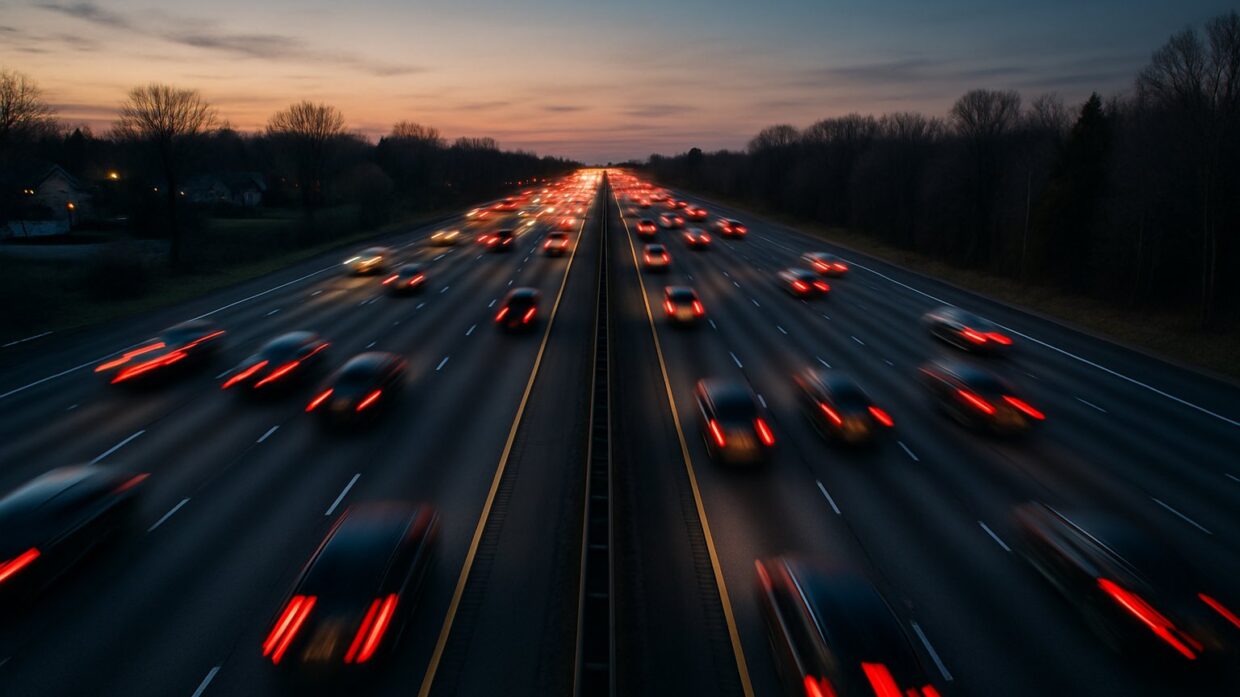
Americans hit roads and skies in massive post-Labor Day exodus
Post-holiday travel surge tests infrastructure as economy hums
Millions travel as Labor Day weekend ends, markets reopen Tuesday
Key Takeaways
- Post-Labor Day travel volume is an economic indicator that signals disposable income, fuel affordability, and aviation capacity levels, but neither news outlet examined whether this year's travel patterns differ from previous years.
- The reporting separates consumer movement from financial markets as distinct stories, missing the connection that travel data reveals about economic health and consumer spending capacity heading into fall.
- Neither source investigated whether the accessibility of travel reflects broad income distribution or economic strain, leaving unanswered what the travel surge actually means for economic resilience.
The Analysis
The post-Labor Day travel surge represents a routine seasonal pattern with two distinct dimensions that the available reporting treats separately: physical movement of people and the scheduled pause in financial markets. Neither framing addresses what the data shows about consumer behavior and economic momentum simultaneously.
The documented facts are straightforward. The long weekend generates concentrated travel demand across transportation networks. NBC News reported live coverage of this exodus with meteorologist Angie Lassman tracking weather conditions affecting travelers. MarketWatch documented that financial markets close on Monday, Sept. 7, with stock exchanges, bond trading, and postal delivery suspended and resuming Tuesday. These are administrative calendars and observable phenomena, not matters of interpretation.
The left-leaning framing, represented by NBC's coverage, emphasizes the scale and immediacy of human movement. The language choices matter: "massive post-Labor Day exodus" frames this as a noteworthy event worthy of live coverage and weather tracking. This approach foregrounds consumer activity and travel patterns as newsworthy, which serves a framing function that highlights everyday economic participation. What this coverage does not address is what the travel volume signals about consumer finances or confidence. The reporting focuses on logistics and weather rather than the economic indicators this behavior might reflect.
The right-leaning framing, represented by MarketWatch, centers on market mechanics and financial calendars. The specific question posed,"Is the stock market open today for Labor Day?",frames the holiday as an operational boundary rather than a consumer event. This language choice emphasizes institutional stability and predictable procedures. The framing assumes readers care about trading hours and service resumption, which serves readers with financial assets and market exposure. What remains unexamined in this framing is whether the travel surge itself carries information about consumer spending capacity or economic health heading into the fall.
What neither side fully captures is the relationship between the two phenomena. Post-holiday travel volume is an economic indicator. Millions of people choosing to travel by plane and car suggests disposable income, fuel prices that permit discretionary driving, and aviation capacity operating near typical demand levels. The absence of this connection in the reporting reflects a structural separation: business coverage tracks markets, lifestyle coverage tracks people, and the relationship between them remains implicit.
The underlying question is whether post-Labor Day travel patterns warrant attention as an economic signal or remain merely a seasonal logistical event. The available reporting treats it as the latter. Neither source interrogates whether travel volume has changed year-over-year, what price points were required to generate this demand, or what the accessibility of travel says about income distribution. These are reporting choices, not limitations of available data.
The real headline is simpler than either framing suggests: Americans are traveling and markets are closed on a scheduled holiday. That both things are true simultaneously is not news. What would be news is whether the travel data reflects economic resilience, strain, or simply the predictable resumption of movement after a long weekend. The reporting does not yet establish which.
Post-Labor Day travel volume functions as an economic indicator that financial journalism and consumer coverage systematically fail to integrate. Millions choosing discretionary travel simultaneously signals disposable income capacity, fuel affordability, and aviation demand patterns that collectively reflect consumer spending health entering the fall season. Market closures on Monday create a reporting boundary that separates financial-system coverage from consumer-behavior analysis, preventing outlets from treating travel data as meaningful economic data rather than weather-dependent logistics. Year-over-year travel comparisons, pricing pressure analysis, and income-distribution implications embedded in who can afford this travel remain unexamined in reporting that treats the exodus as routine rather than as evidence of economic resilience or constraint. This fragmentation leaves readers without the analytical framework necessary to understand what actual consumer capacity looks like beyond headline volume figures.