Photo: Well This Is News
Kennedys sue to block Trump arch, citing threat to JFK and RFK memorials
Kennedy family members challenge Trump administration's triumphal arch project
Kennedy family intervenes in legal challenge to Trump's proposed Washington arch
Key Takeaways
- The Trump administration has not clarified which federal agencies or regulatory bodies must approve the arch before construction can begin, leaving the project's actual legal pathway unclear.
- Neither the Trump administration nor Arlington National Cemetery officials have disclosed whether they consulted with the Kennedy family or followed standard approval processes before commissioning the monument.
- The lawsuit outcome will likely depend on whether federal law permits construction near Arlington and whether required approval procedures were followed, not on the Kennedy family's emotional objections alone.
The Analysis
The Kennedy family's federal lawsuit against Trump's proposed 250-foot arch raises a specific property and memorial dispute, but what neither side is yet highlighting is how this fight illustrates a broader tension over monumental real estate and the competing claims on shared national spaces.
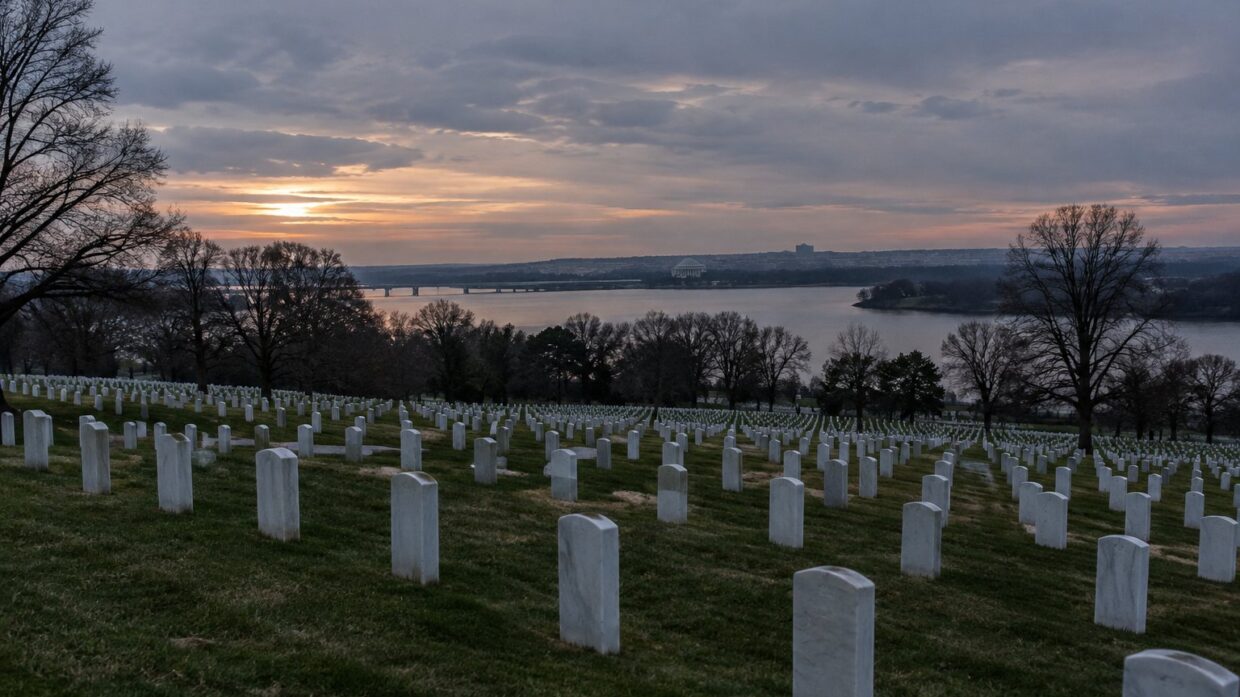
The facts are straightforward. Nine Kennedy family members filed suit in U.S. District Court for the District of Columbia on Tuesday to block construction of what Trump's administration characterizes as a triumphal arch in Washington, positioned opposite Arlington National Cemetery. The lawsuit names as injury the interference with burial sites and memorials, specifically JFK's eternal flame and RFK's grave. The plaintiffs requested the court bar the Trump administration from approving further steps on the project.
The left frame, advanced by outlets like The Hill, emphasizes the Kennedy family's protection of sacred memorial space and the loss that would accompany the arch's "permanent" overshadowing of JFK and RFK graves. This framing draws its force from familial standing and dignitarian harm. It centers emotional weight, the permanence of the construction, and the vulnerability of graves to architectural displacement. What it leaves out is any discussion of the Trump administration's authority to propose such a structure in the first place, or why a president would commission it, or whether there is precedent for monumental construction near Arlington. The framing treats family objection as the primary fact.n The right frame, represented by the Washington Examiner's reporting, presents the lawsuit as a family challenge to an administration project, using more neutral descriptive language: the Kennedys "sued to block," the arch is "proposed," the family argues it will "overshadow." This framing does not contest the family's legal standing or the emotional claim, but it centers the Trump administration's ability to move forward with its proposal. What this framing does not address is whether the Trump administration consulted with Arlington or the Kennedy family before commissioning the arch, or whether there are existing rules about monumental construction near the cemetery.
What neither side is yet foregrounding is the threshold question: Under what legal authority does a sitting president propose construction opposite Arlington National Cemetery? Arlington is managed by the Secretary of the Army under federal law, and the cemetery itself sits on grounds with specific regulatory frameworks governing proximity to graves and memorials. The Trump administration's proposal would require approval from Arlington officials, the National Capital Planning Commission, or other federal bodies. The lawsuit does not yet clarify which approvals have been sought or denied. The public record, as reported so far, does not establish whether this arch faces regulatory obstacles independent of the Kennedy family's objection, or whether the Trump administration has already cleared initial hurdles.
The underlying question is whether this is primarily a family property dispute or a test of presidential authority to reshape the physical landscape around national military cemeteries. The legal outcome likely hinges not on the Kennedys' emotional standing but on whether federal law permits the structure and whether the Trump administration followed required approval processes. The reporting does not yet establish whether those processes have begun.
This lawsuit will force clarification of how much power a president actually holds over the physical landscape surrounding Arlington National Cemetery and other protected federal spaces. The Kennedy family's standing matters less than the regulatory framework the court will inevitably examine: whether the Trump administration followed the approval processes required by the Army Corps of Engineers, the National Capital Planning Commission, and existing cemetery regulations. If the court finds the administration bypassed required consultation or violated proximity rules governing construction near graves, it establishes precedent that constrains future presidents from unilaterally reshaping sacred military landscapes. If the court dismisses the case on standing grounds without addressing the regulatory question, it opens a pathway for executive monument-building with minimal oversight. Either outcome reshapes how presidential ambitions collide with institutional guardrails that have governed Arlington for decades.