Photo: Well This Is News
Jennifer Lawrence Launches Mes° Hair Care with Early Savings Available
We haven't found a right-leaning take on this story yet.
Breaking stories sometimes publish before every side has covered them. We'd rather show you that than invent a view.
Jennifer Lawrence Launches Hair Care Line as Plastic Surgery Speculation Resurfaces
Key Takeaways
- Jennifer Lawrence launched her hair care brand Mes° on the same news cycle when photos prompted public debate about her appearance and she disclosed undergoing cosmetic procedures including a breast lift and Botox.
- Celebrity beauty brands now launch into a media environment where consumers see both the product being sold and concurrent commentary about the founder's own cosmetic choices, yet coverage treats these as separate stories.
- Neither promotional coverage nor appearance speculation addresses whether disclosure of cosmetic procedures affects consumer trust in a beauty brand's claims or how founder credibility intersects with product marketing.
The Analysis
Jennifer Lawrence is launching Mes°, a hair care line, at the exact moment public attention has refocused on speculation about cosmetic procedures visible in recent photographs. Neither the promotional coverage nor the speculation coverage directly addresses what actually matters about this convergence.
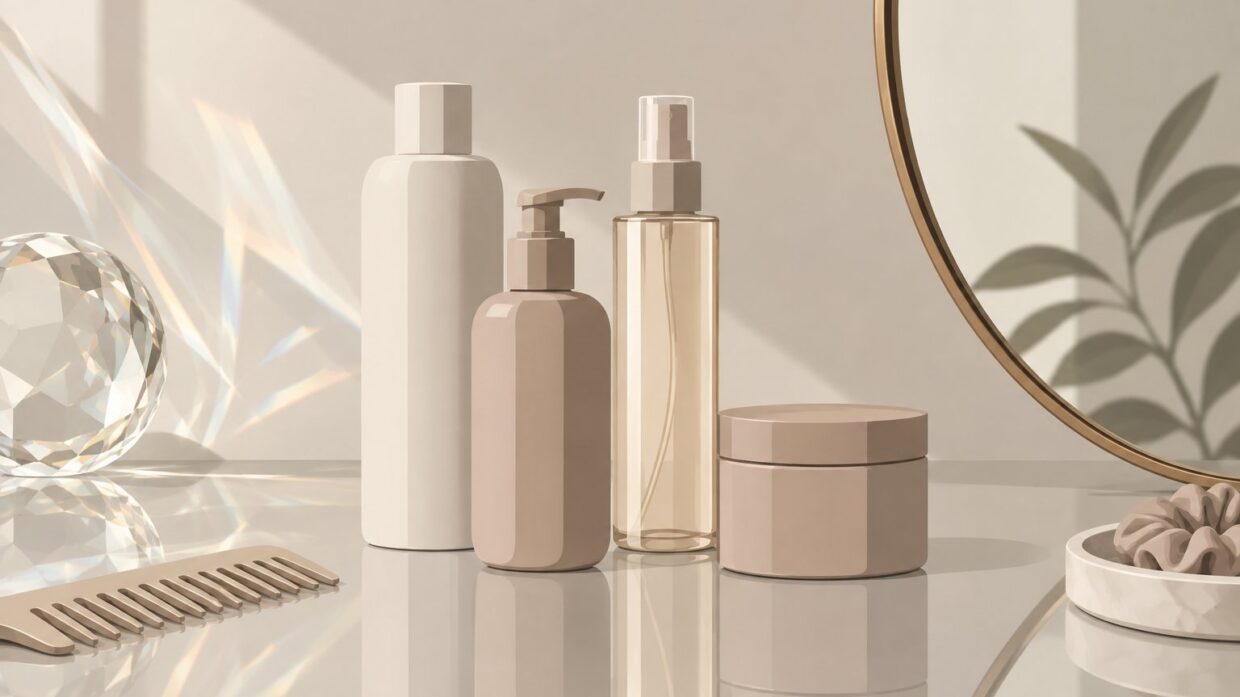
What actually happened: Lawrence launched three hair care products (Multitask Repair Mask, Off-Duty Restyling Serum, Good Roots Volume Mist) with a $10 bundle discount, according to NBC News. Simultaneously, photos from a Cut magazine photoshoot prompted social media users to claim she was unrecognizable. The Daily Wire reported that Lawrence has confirmed undergoing a breast lift and what she called baby Botox, while denying she had undergone more extensive procedures. The exact timing, brand launch and appearance speculation occurring in the same news cycle, is factual but incidental.
The left framing emphasizes the product launch itself. NBC News used the phrase "you can already save" in the headline and focused on what the products claim to do. The coverage leaves out the appearance speculation entirely. That omission is convenient because it treats the business announcement as independent consumer news rather than as a moment when the founder's physical appearance is being publicly scrutinized and debated. Retail coverage of celebrity brands typically functions as promotional content, which explains why the parallel story about her appearance is not mentioned.
The right framing leads with the appearance speculation. The Daily Wire headline emphasizes that Lawrence "sparks plastic surgery speculation," using the word "unrecognizable" as a direct quotation from social media users. The coverage includes Lawrence's own acknowledgment of procedures (breast lift, baby Botox) while also noting that she denies more extensive work. The framing leaves out any context about why a celebrity launching a consumer product matters or what the business actually involves. That omission is convenient because it shifts focus from Lawrence's professional move to public judgment of her body. The appearance angle generates engagement partly because it invites debate about whether she should have disclosed procedures or whether cosmetic work is anyone's business.
What neither side is saying: Celebrity beauty brand launches regularly occur; Lawrence's entry is not unusual in itself. What makes this moment notable is that the timing of appearance speculation during a brand launch illustrates how celebrity commerce and physical scrutiny are now inseparable. A founder promoting a hair care product while being publicly compared to her own previous photographs creates a specific dynamic: consumers are simultaneously being sold a beauty product and exposed to commentary about the seller's use of cosmetic procedures. Neither the promotional coverage nor the speculation coverage directly addresses whether this convergence affects consumer perception, brand credibility, or the implicit claims being made about what the products can accomplish. The left frame presents the product in isolation from the person. The right frame isolates the person from the product. The underlying question neither addresses is whether Lawrence's disclosed cosmetic work undercuts or reinforces the brand's appeal, and whether either the left or right would mention this dynamic if the procedures had been more extensive or denied entirely.
The honest headline here is not about the product or the procedures separately. It is that celebrity consumer brands now launch into an environment where the founder's body is always available for comparison, speculation, and judgment, and neither commercial nor media coverage addresses how that dynamic actually works.
Celebrity beauty brands now launch into an ecosystem where the founder's appearance is perpetually available for public comparison and judgment, yet neither promotional coverage nor tabloid speculation examines how this affects consumer perception or brand credibility. Lawrence's simultaneous product launch and appearance scrutiny reveals a structural problem: consumers are sold a hair care product while being exposed to commentary about the seller's cosmetic procedures, creating an implicit claim about what beauty work can accomplish. The left frame isolates the product from the person; the right isolates the person from the product. Neither addresses whether disclosed procedures reinforce or undercut brand authority, or whether coverage would shift if the procedures were denied or more extensive. This convergence matters not because Lawrence is launching products or because her appearance changed, but because it exposes how celebrity commerce now depends on a body constantly subject to forensic public examination. That dynamic shapes what consumers think they are buying.