Photo: Julien Goettelmann
IMF sounds alarm on Iran war as Britain faces biggest G7 losses and global recession looms
Iran blockade disrupts energy markets; IMF projects inflation surge and slower growth worldwide
Iran conflict halts global economic momentum as IMF warns of recession risk and energy supply shocks
The Analysis
The Iran conflict has now officially broken the global economy's momentum—but what both sides are calling a sudden shock is actually the predictable endpoint of a decade of escalating decisions neither side wants to defend.
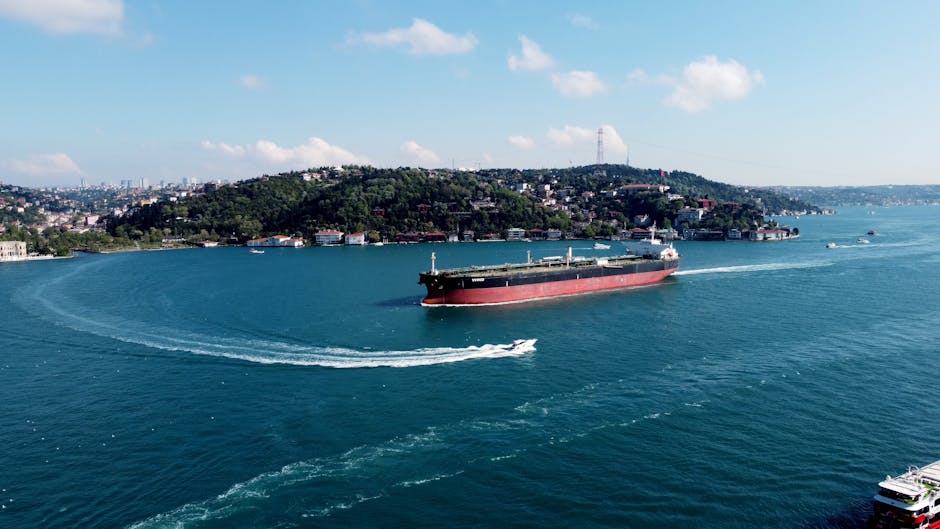
The International Monetary Fund, in its April 2026 assessment, stated plainly that the Iran war has "halted" global economic momentum and expects higher inflation across developed economies. Specific numbers: the IMF has downgraded UK growth forecasts more sharply than other G7 nations, making Britain the biggest loser among wealthy democracies. Oil prices have spiked due to Iran's blockade of the Strait of Hormuz—the narrow waterway through which roughly one-third of global maritime oil trade passes. Real economic consequence: Australian households are eating out less, British consumer confidence is at its lowest point since Covid, and German manufacturing is contracting.
The left's framing focuses on the human cost and the war's "reckless" origins. The Guardian uses the language "Iran war hurting global economic growth" and emphasizes that ordinary people—Australians, Britons—are experiencing the fallout through fuel prices and lost wages. This framing correctly identifies the cause but quietly omits the 2018 decision by the Trump administration to withdraw from the Iran nuclear deal (JCPOA) and reimpose crushing sanctions. That withdrawal was presented then as a way to contain Iran; it is now presented by the left as merely context, not causation. The omission is politically convenient: it allows criticism of "the conflict" without naming who broke the agreement that was supposed to prevent exactly this.
The right frames this as the cost of Iranian aggression and regional instability. Axios and right-leaning outlets name Iran's blockade of Hormuz as the direct cause—which is technically true, but the framing starts the clock after the nuclear deal collapsed. This language avoids naming the prior U.S. withdrawal from a multinational agreement that had, for three years, capped Iran's nuclear program in exchange for sanctions relief. The right also emphasizes the leverage Iran now holds over global energy markets, which is accurate but omits why Iran had reason to believe that leverage was worth exercising: because the deal that was supposed to make that unnecessary was already dead.
What neither side is saying: The Strait of Hormuz blockade is not a spontaneous Iranian decision. It is a calculated response to years of escalating U.S. pressure beginning with the 2018 JCPOA withdrawal. The Biden administration rejoined the deal's negotiation in 2021 but failed to secure congressional ratification or permanent restoration. Iran, watching the U.S. administration change in 2024, apparently concluded that any deal was temporary and that the only leverage left was military. That calculation destroyed the global economic assumptions baked into energy markets since 2015.
The real headline: A conflict that was preventable through the enforcement of an existing international agreement has become unavoidable because the agreement was broken. The global economy is not suffering a shock—it is experiencing the consequence of a choice made in 2018 that no major actor has since corrected. The IMF can warn about inflation and recession. What it cannot do is unsay what was already said: that agreements matter, and that breaking them has costs that eventually reach everyone.